Dear readers, when we talk about cat litter, the focus often falls on clumping ability, odor control, or dust levels. However, there is one element that runs through the entire product usage cycle—from warehouse shelves to consumers' homes—yet is often overlooked: the cat litter packaging bags.
The design of cat litter packaging must balance four core principles: functional practicality, visual appeal, information clarity, and environmental compliance. It needs to address practical pain points such as moisture resistance and leak prevention during storage and use, while also quickly capturing consumers' attention on the shelves or webs.
Today, we will delve into four key dimensions to explore how to design cat litter packaging that not only protects the product but also enhances user experience and fosters brand loyalty.
Functional Structural Design: Ensuring Practicality and User Experience
This lies at the core of packaging design, addressing key issues in the storage and use of cat litter, such as moisture protection, leakage prevention, and portability challenges.
1. Multi-layer Moisture-Barrier Material
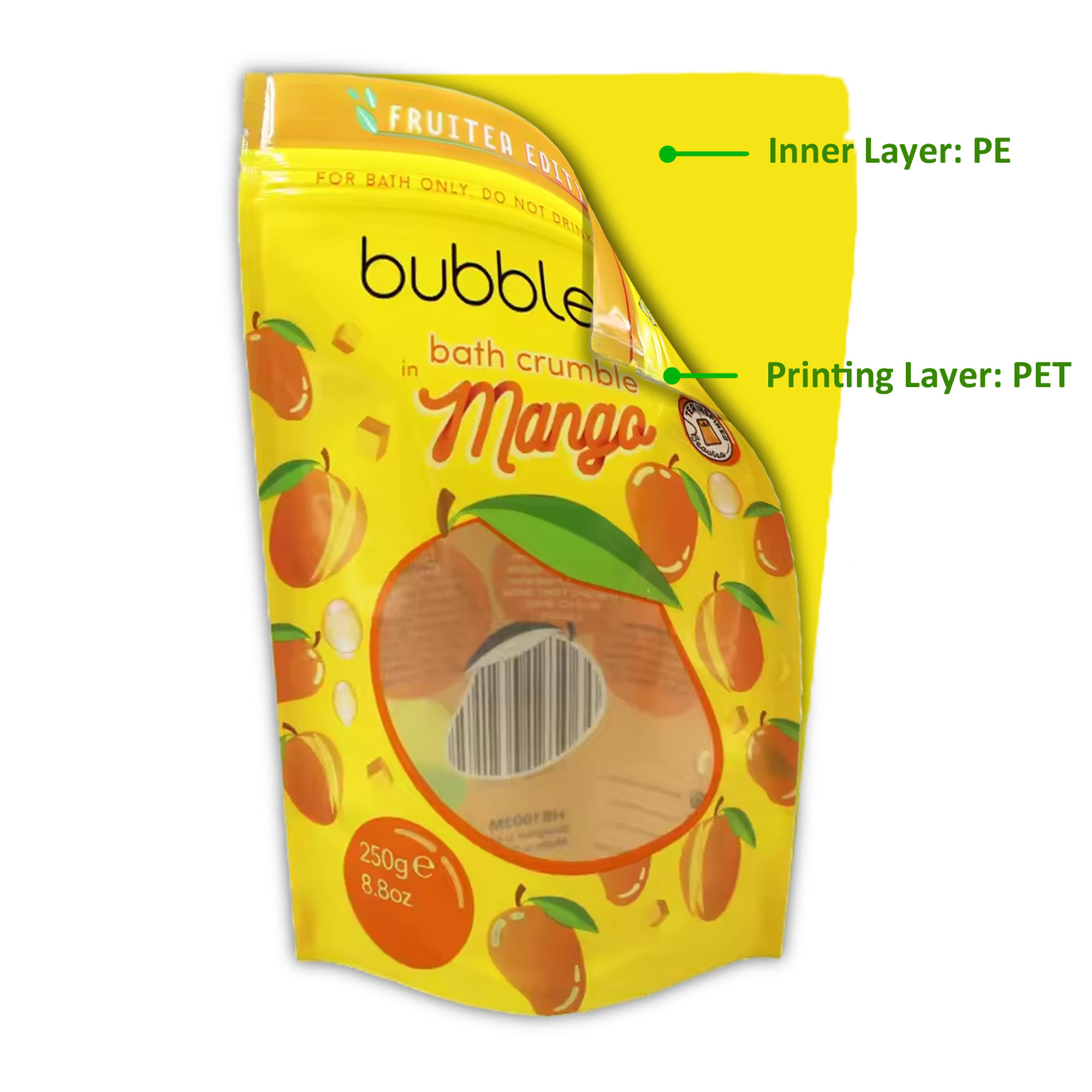
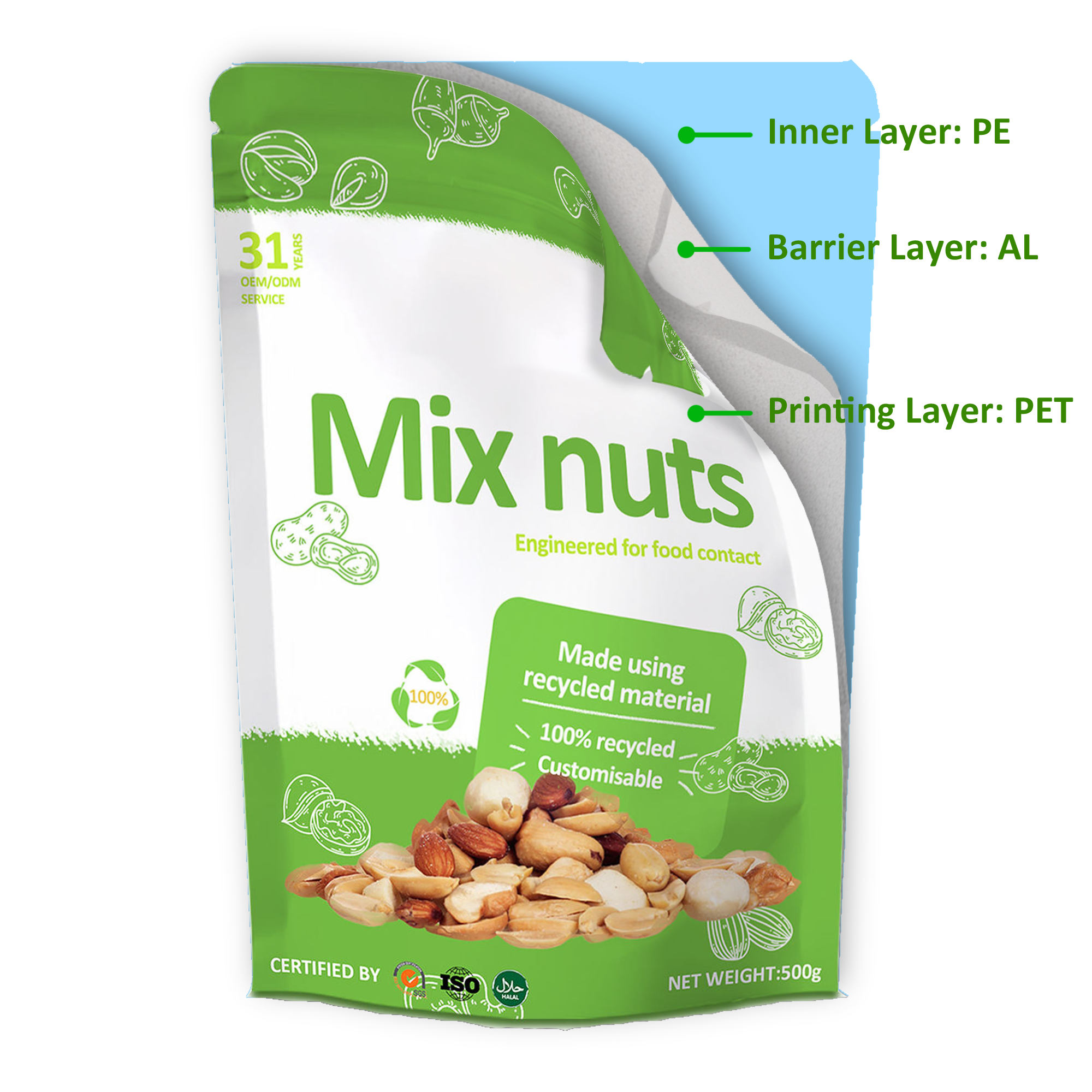
A composite structure is recommended, BOPP/PET (out layer for printing) +PA/VMPET (middle layer for barrier) + PE (inner layer for heat sealing). This construction effectively blocks moisture ingress and is particularly suitable for litter prone to clumping or degradation due to humidity, such as bentonite and tofu cat litter.
2. Re-sealable design
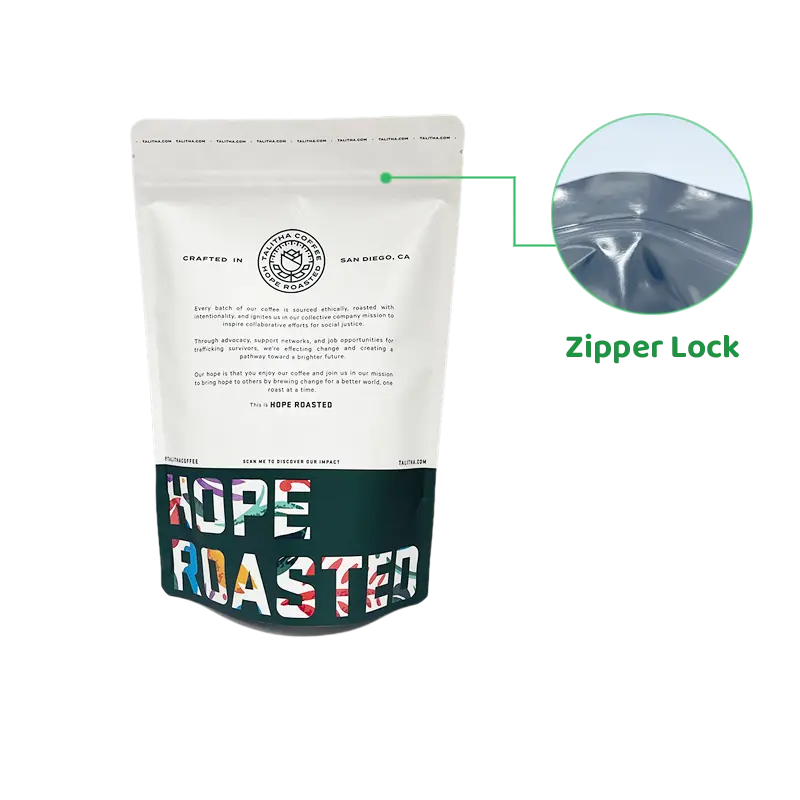
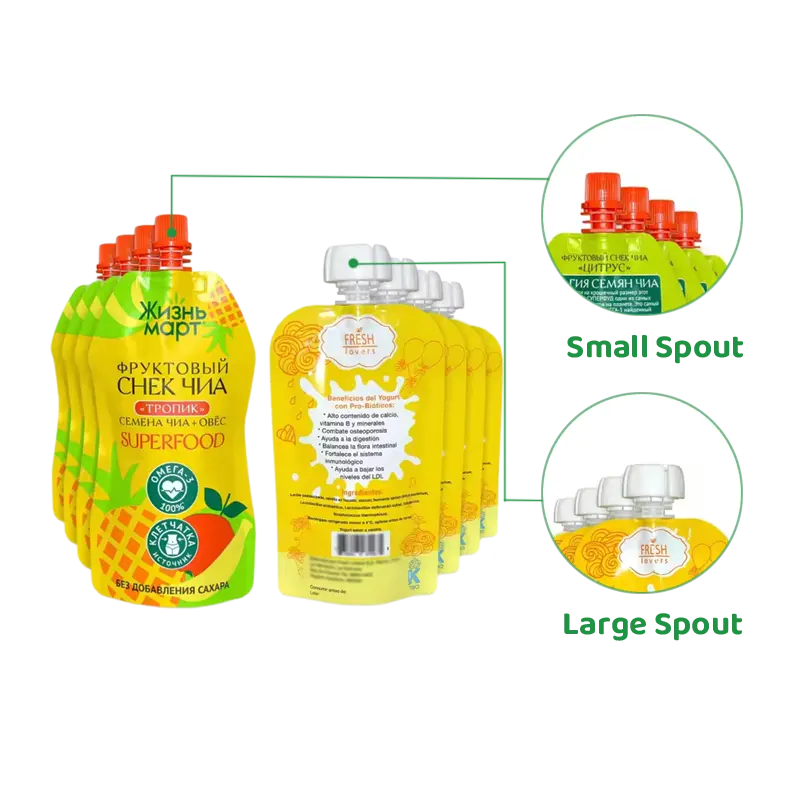
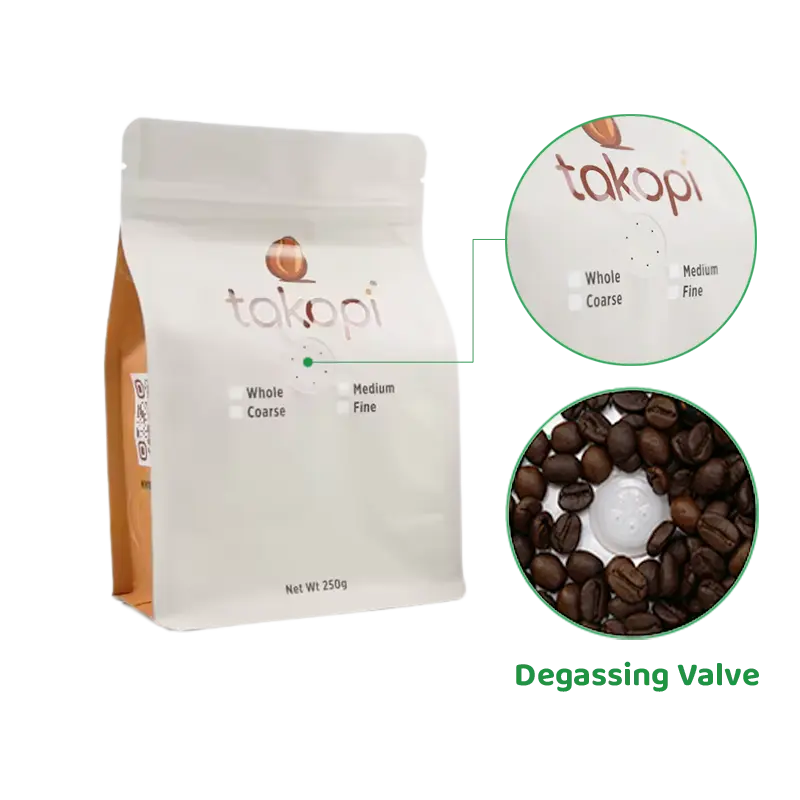
A high-quality resealable zipper is featured on the top front or side of the package. After opening, it allows for repeated sealing to prevent odor leakage and cat litter from absorbing moisture. Meanwhile, a large pour spout is also an excellent option—it not only supports repeated use but also guides the cat litter to fall accurately into the litter box.
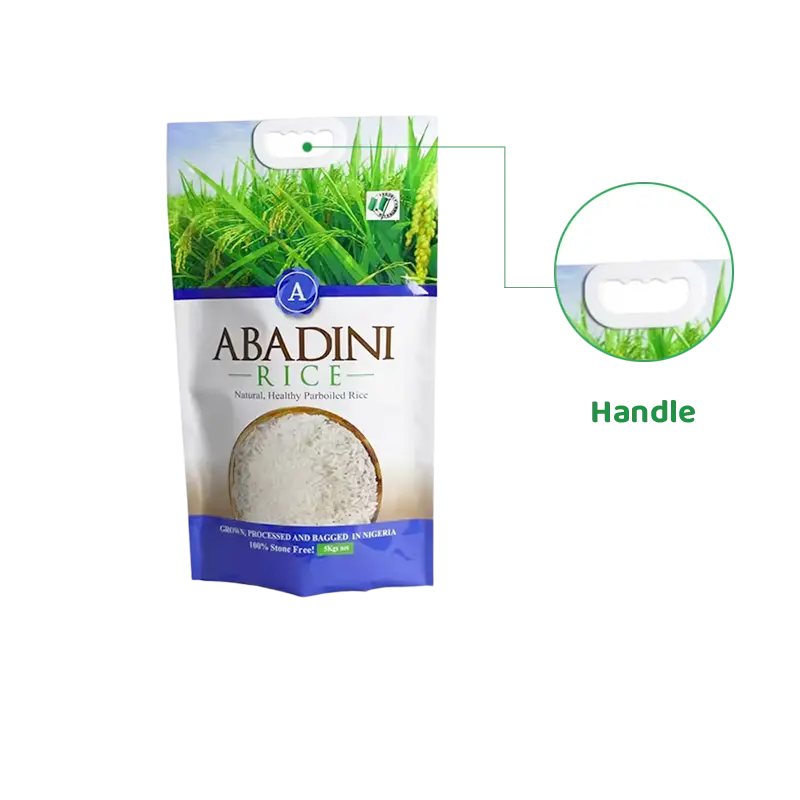
3. Ergonomic Handle
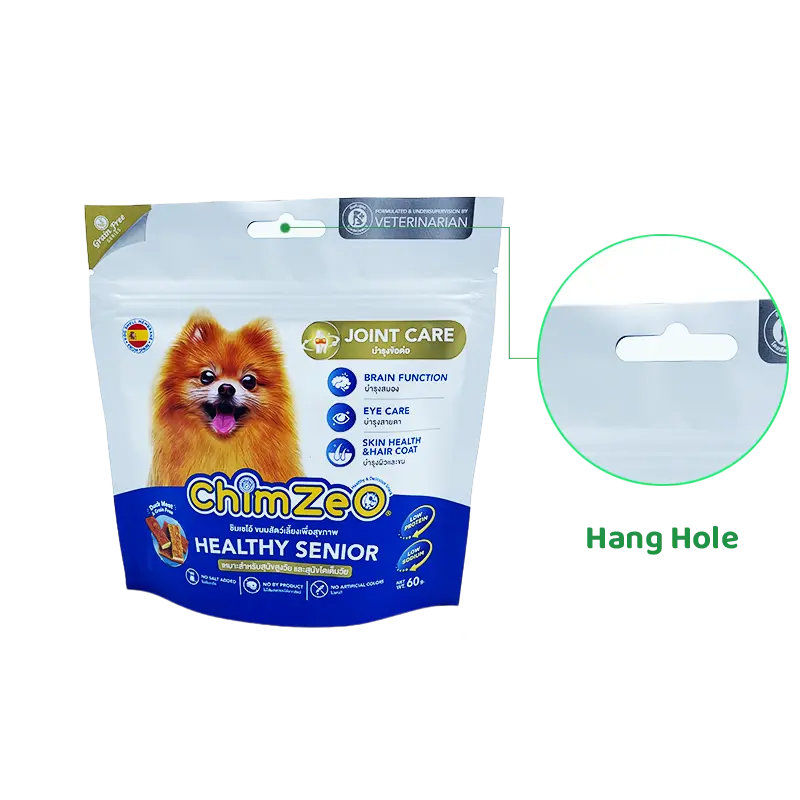
Cat litter is heavy (typically 5-20 kg), and flimsy handles are prone to breaking or digging into hands. So, handle design should correspond to packaging capacity: For bags under 5kg, use a punched-hole handle positioned centrally and symmetrically. For bags over 5kg, adopt a reinforced, widened die-cut plastic handle to prevent discomfort or digging into the hands. Position it on the side panel to facilitate controlled pouring into the litter box.
Visual Design: Enhancing Recognition and Appeal
Vision is the primary factor in attracting consumers. Visual design should align with the brand's tone and style, while highlighting the product's core selling points and avoiding a low-cost look.
1. Colors match the product's characteristics
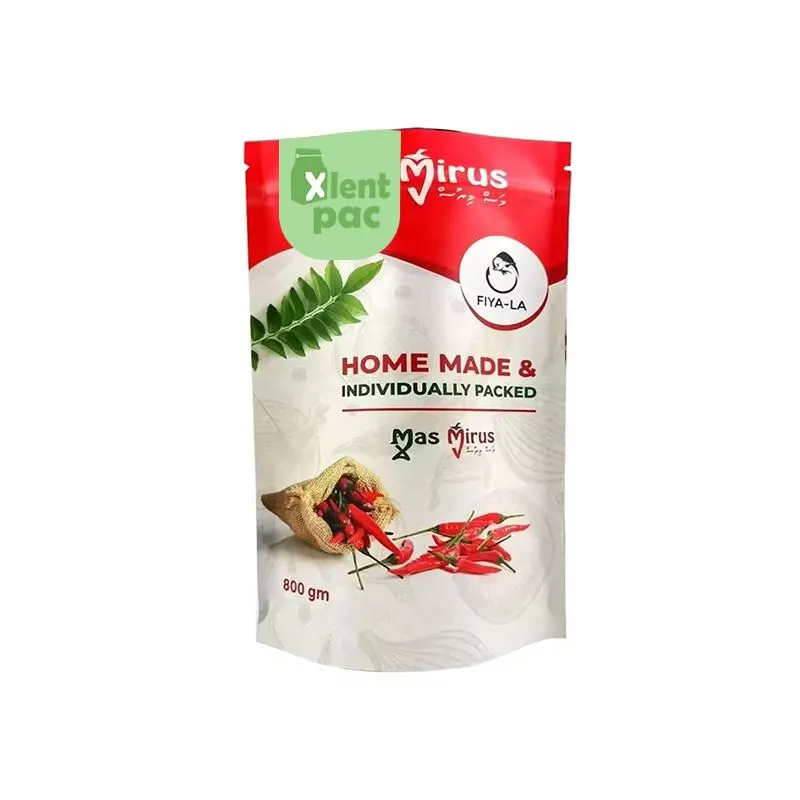
Select color schemes that align with product functions: use green and beige for natural tofu cat litter/corn cat litter to highlight environmental-friendliness; adopt blue and lemon yellow for high-efficiency deodorizing variants to convey a fresh feel; and add touches of gold and silver to premium-grade products. Avoid stacking more than three highly saturated colors.
2. The main visual focuses on the core selling points
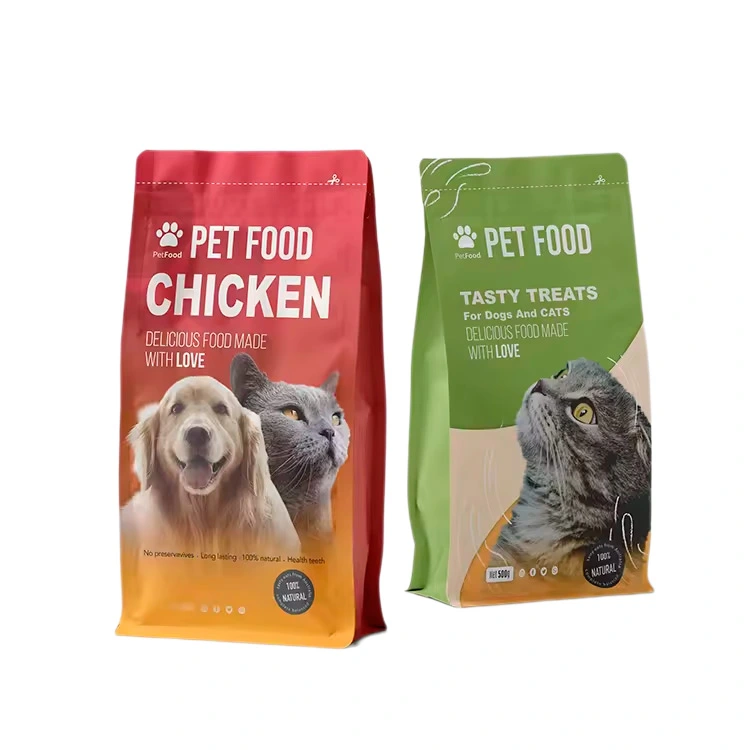
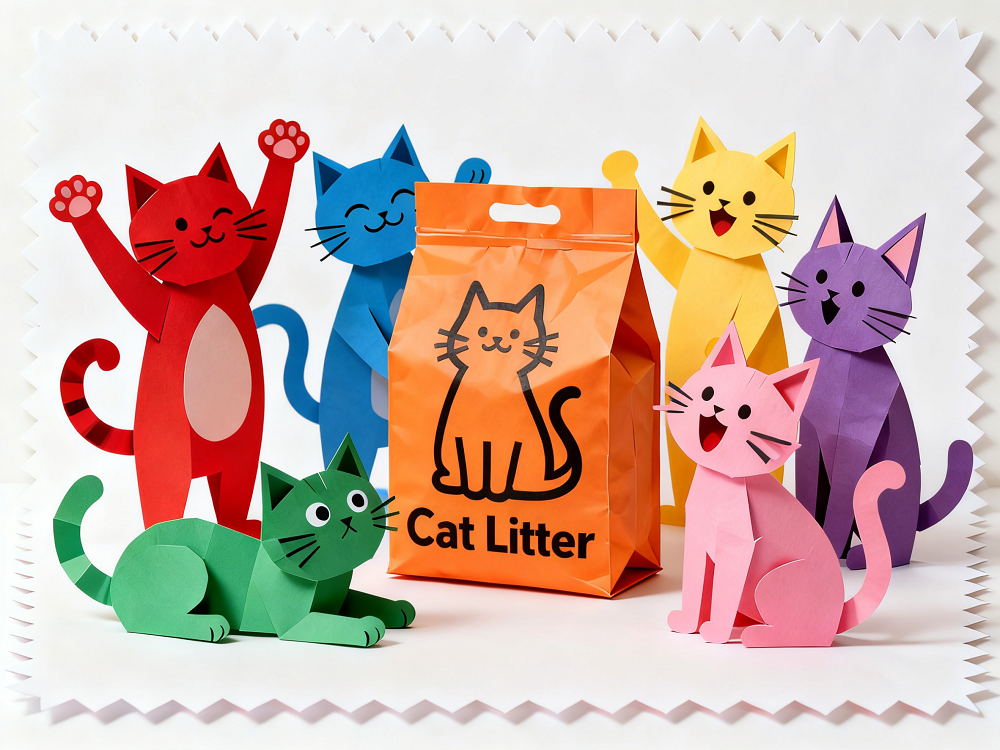
Place 1-2 core elements on the front side: either use high-definition real-shot images of cats (e.g., scenes of long-haired cats using cat litter), or adopt abstract icons (e.g., water droplets representing clumping, shields representing dust-free properties). For instance, pidan cat litter often uses minimalist cat line art to strengthen brand memorability.
3. Surface treatment elevates the tactile and visual quality
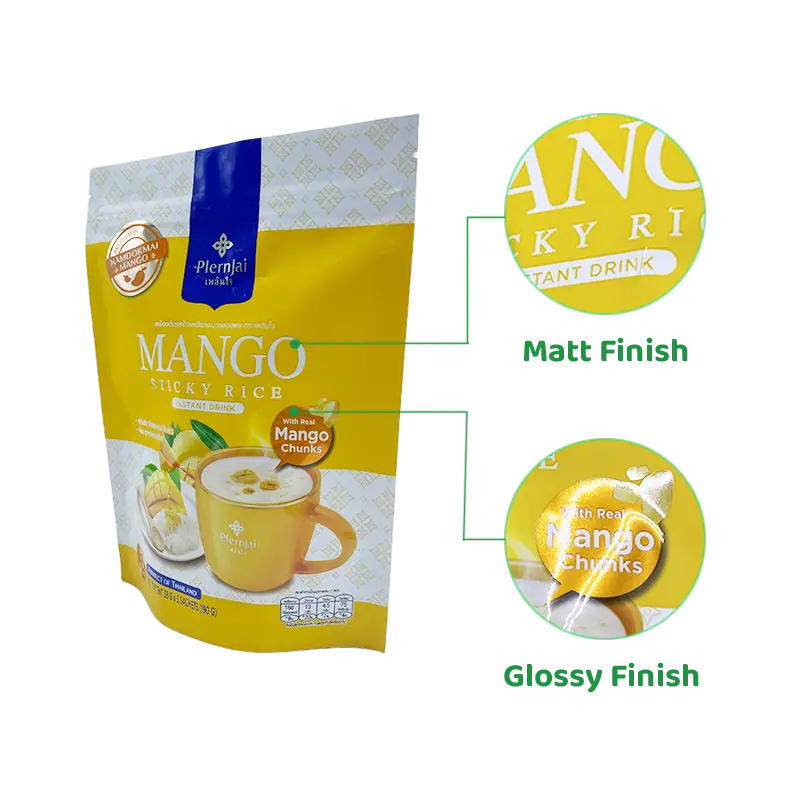
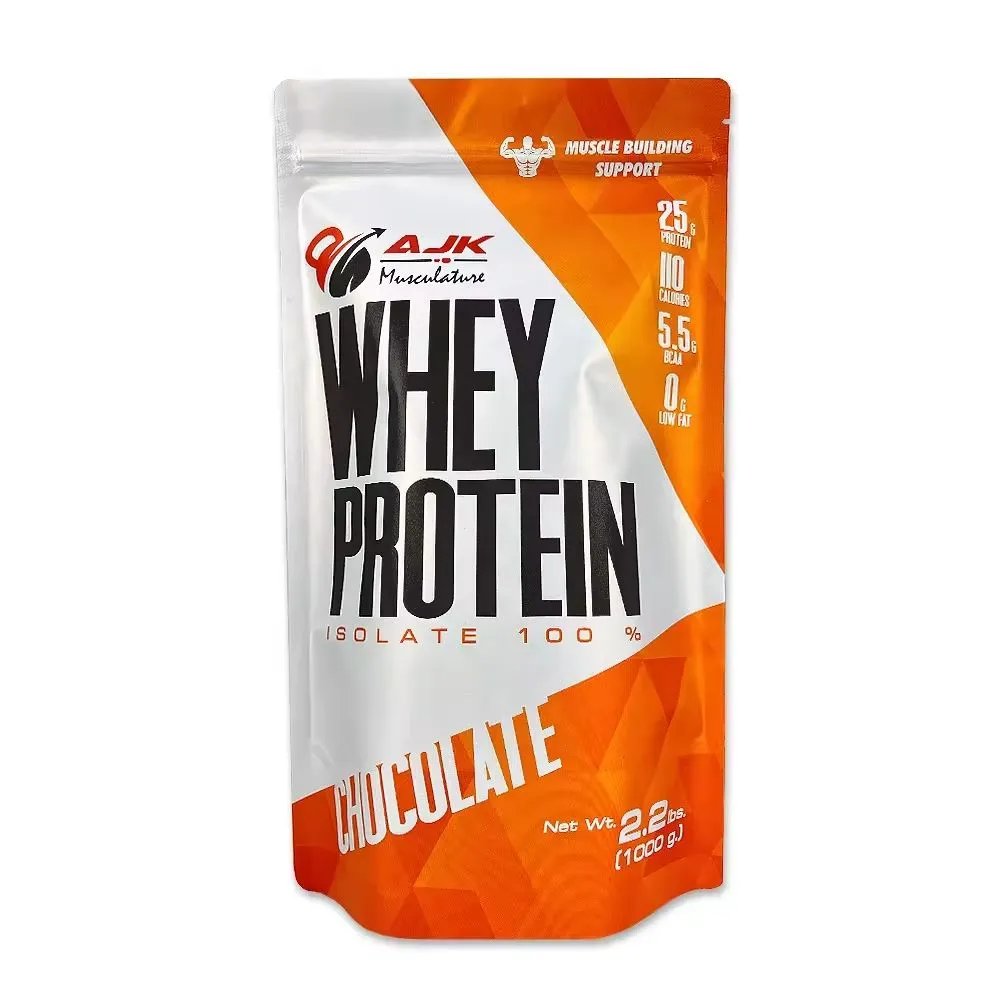
For entry-level, use matte lamination to prevent scratches. For mid-range, apply partial UV coating to highlight key selling points (e.g., "99% dust-free"). For high-end, add gold/silver stamping to emphasize the logo, while avoiding excessive overall decoration that may cause a cluttered look.
Information Layout: Communicating Key Messages with Clarity
The information architecture should be scannable, guiding consumers to key messages swiftly and meeting all compliance needs within a balanced, uncluttered layout.
1. Highlight the core information on the front side
Place a prominent brand logo at the top, mark core selling points (e.g., "Instant Clumping") in large font in the middle, and display specifications (e.g., "10KG") with extra-large numbers at the bottom—these are the keys to helping consumers make quick decisions.
2. Mark detailed information on the back/side
Organize content into dedicated sections:
① Ingredients (e.g., "Natural Bentonite Clay");
② Use Cases (e.g., "Multi-Cat Households", "Long-Haired Cat Friendly");
③ Usage Guide (with callouts, e.g., "Recommended Depth: 5cm");
④ Warning (e.g., "Do Not Flush").
3. Compliance markings shall be included
Mark the production date, shelf life, and manufacturer information at the bottom. Meanwhile, add environmental labels (e.g., "PP Recyclable") and safety labels (e.g., "Keep Out of Reach of Children"). Cross-border models require multilingual translations.
Sustainable and Context-Aware Design
Balancing eco-conscious design with flexibility for different sales settings to maximize product versatility.
1. Eco-Friendly Materials and Labels
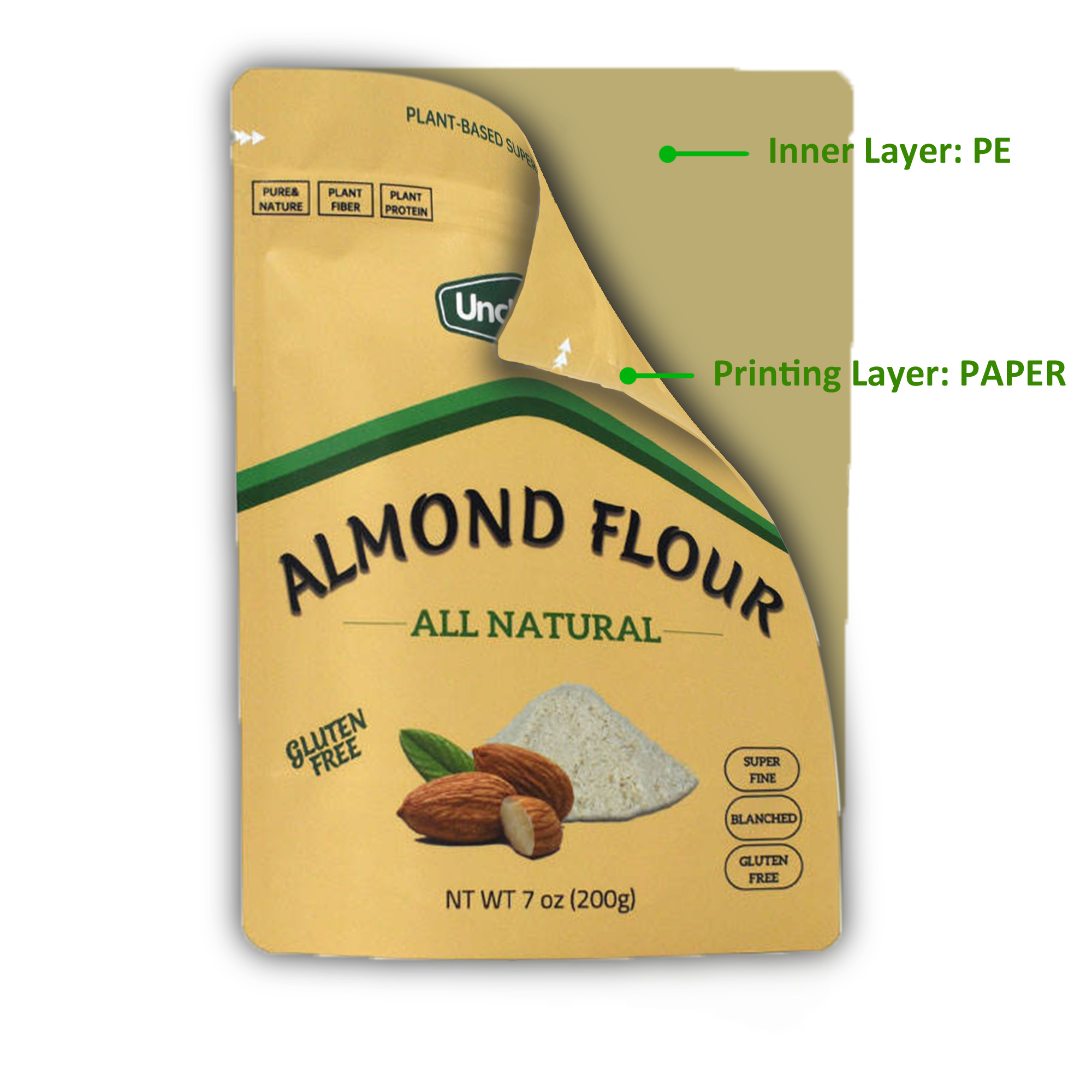
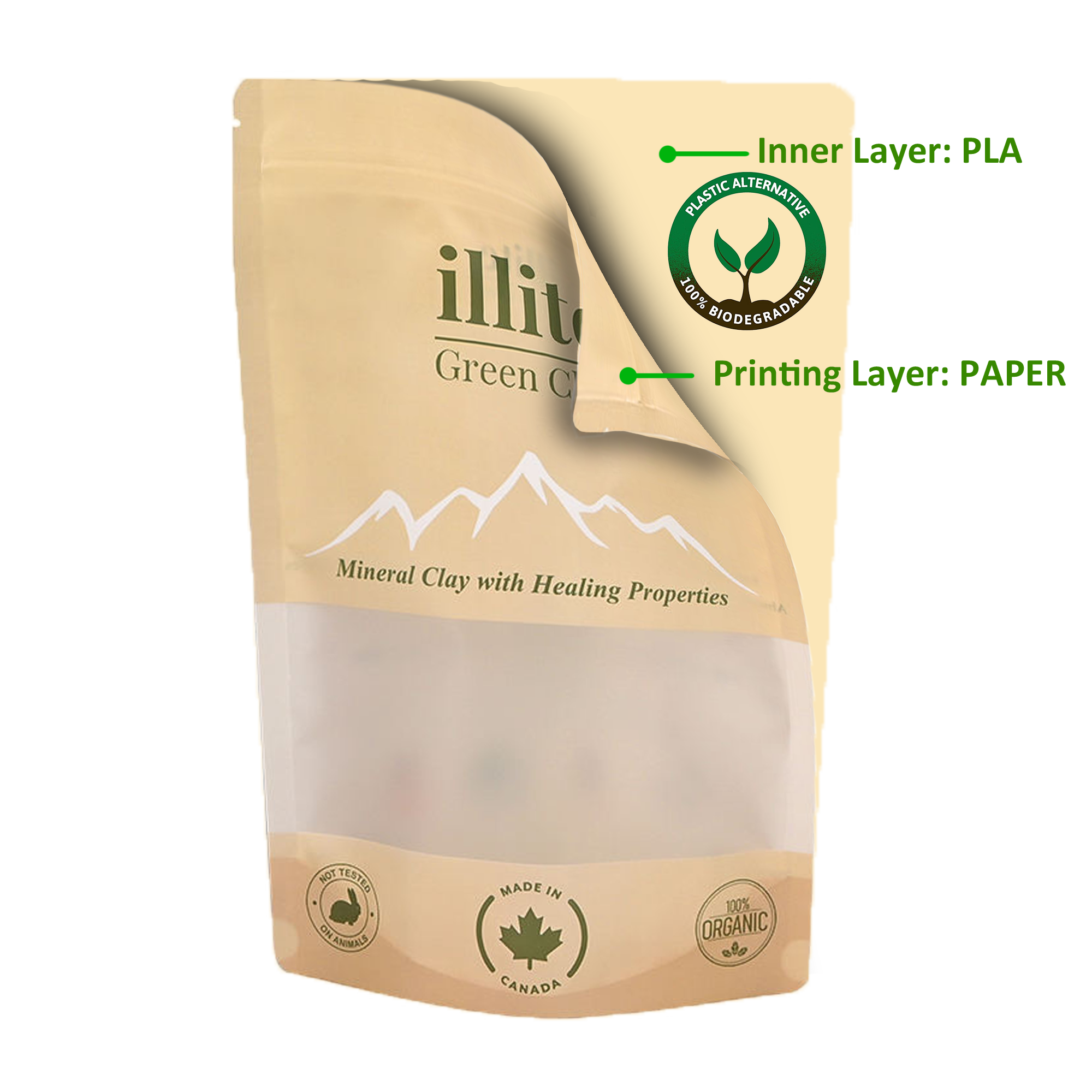
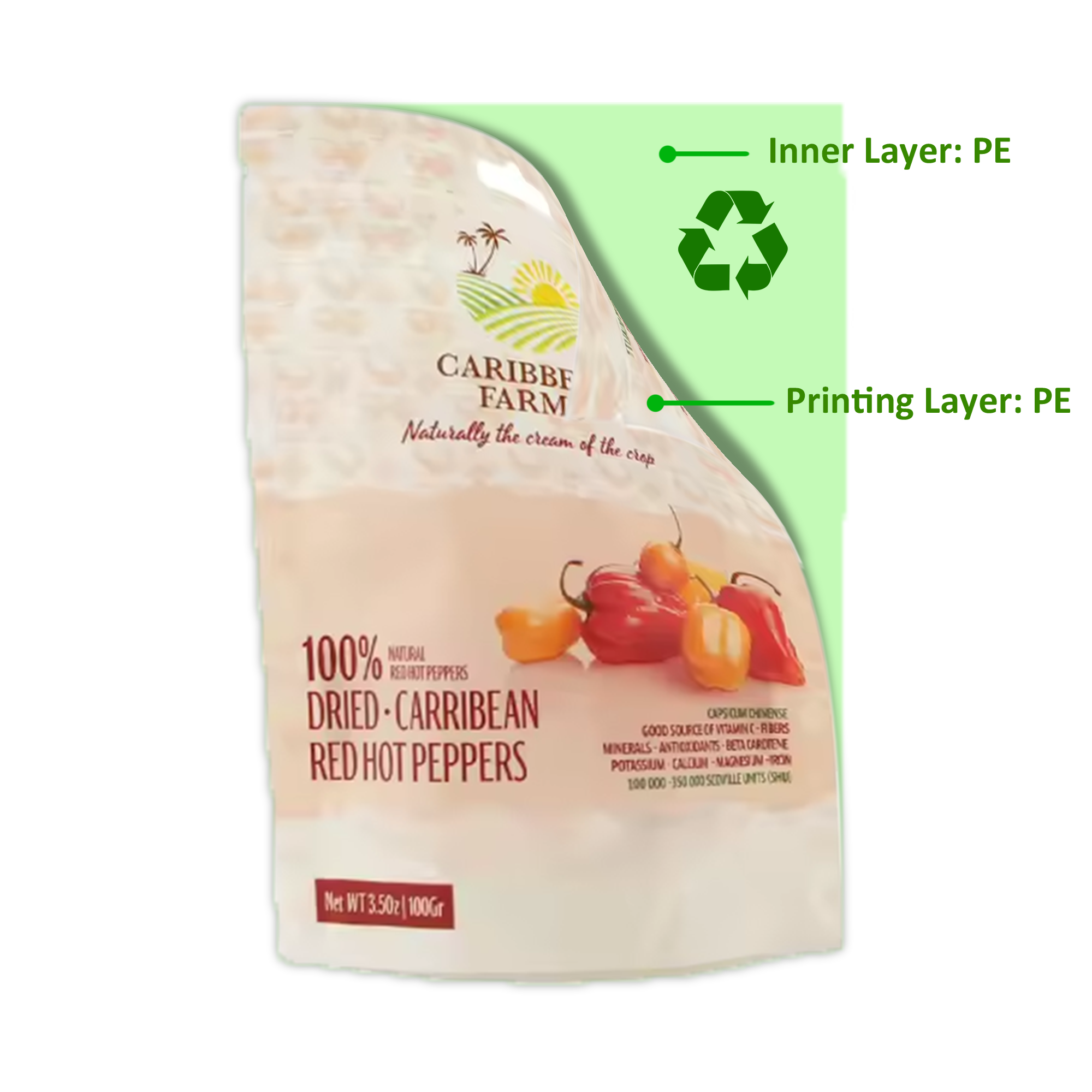
If you're passionate about sustainability, consider options like single-material PP/PE for easy recycling, or corn-based biodegradable packaging labeled as "Compostable." You can also add the message "Reuse this bag as a trash bag" to encourage a second life. You are welcome to contact us for recyclable packaging bags.
2. Specifications tailored to specific scenarios
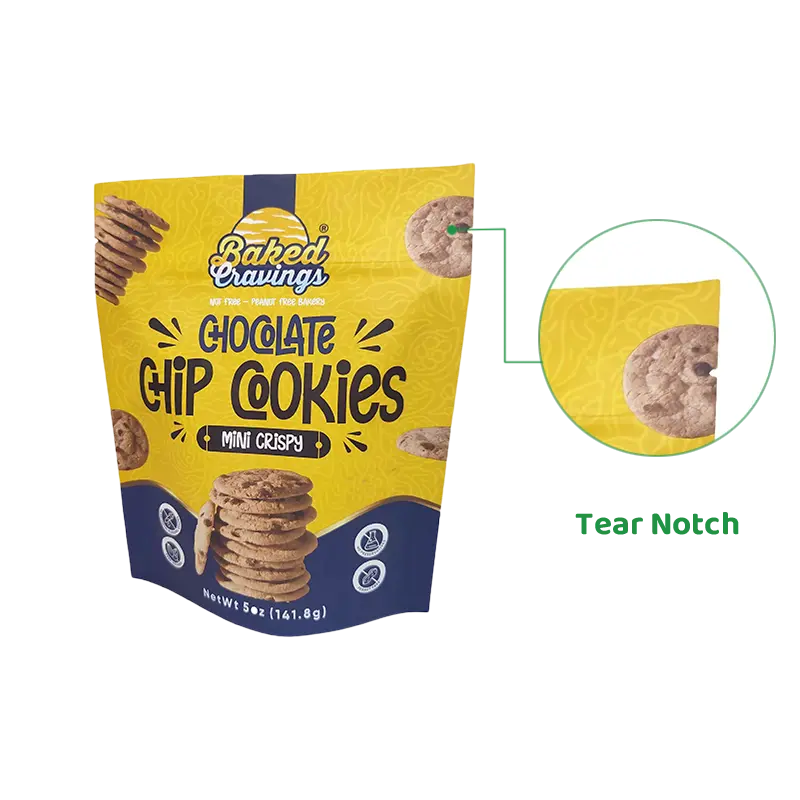
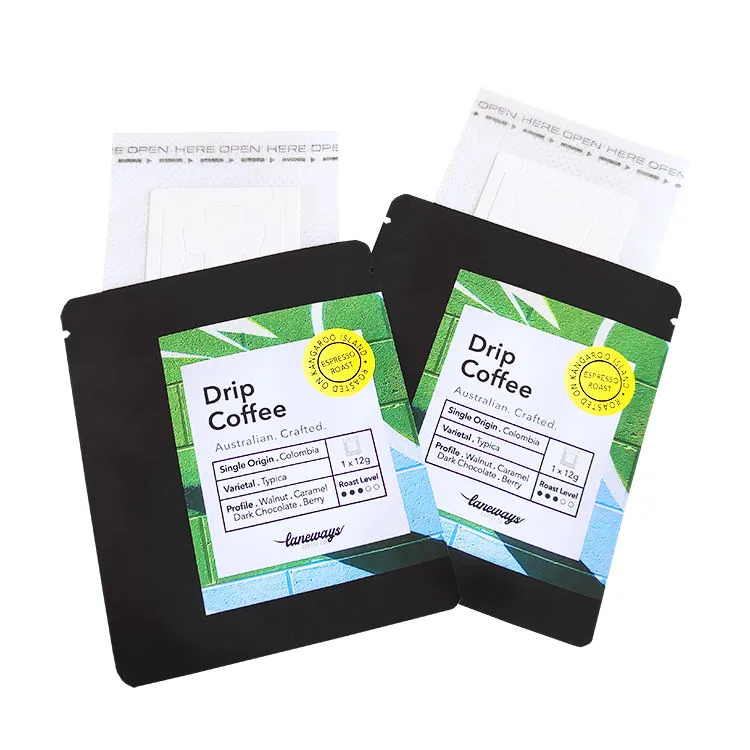
The trial size (500g) uses a portable pouch without a handle but with a tear-notch. The family size (10kg) has a reinforced base for stable stacking. The e-commerce version is wrapped in corrugated paper lining, marked with a "Fragile: Handle with Care" warning.
3. Smart Packaging Evolution
For premium versions, print variable QR codes that link to content like ingredient traceability and tutorial videos. Future iterations could embed humidity sensors, guided by a call-to-action such as "Scan to check litter dryness," catering to the smart pet care trend.
Packaging is the "last mile" of a product and the first impression of a brand experience.
At Xlentpac, we firmly believe that the goal of packaging design is not simply to enclose a product, but to create a seamless, pleasant, and even surprising holistic experience. From the moment you reach out to pick it up, to easily opening, pouring, and sealing it, and finally disposing of it properly—every detail embodies our deep care for "pet parents" and their furry companions.
Our mission is to engineer every cat litter package to be functional, intelligent, and thoughtful. We are convinced that true consumer loyalty is built through a steadfast commitment to perfecting these essential details.