How to Choose the Right Breast milk Storage Bag?
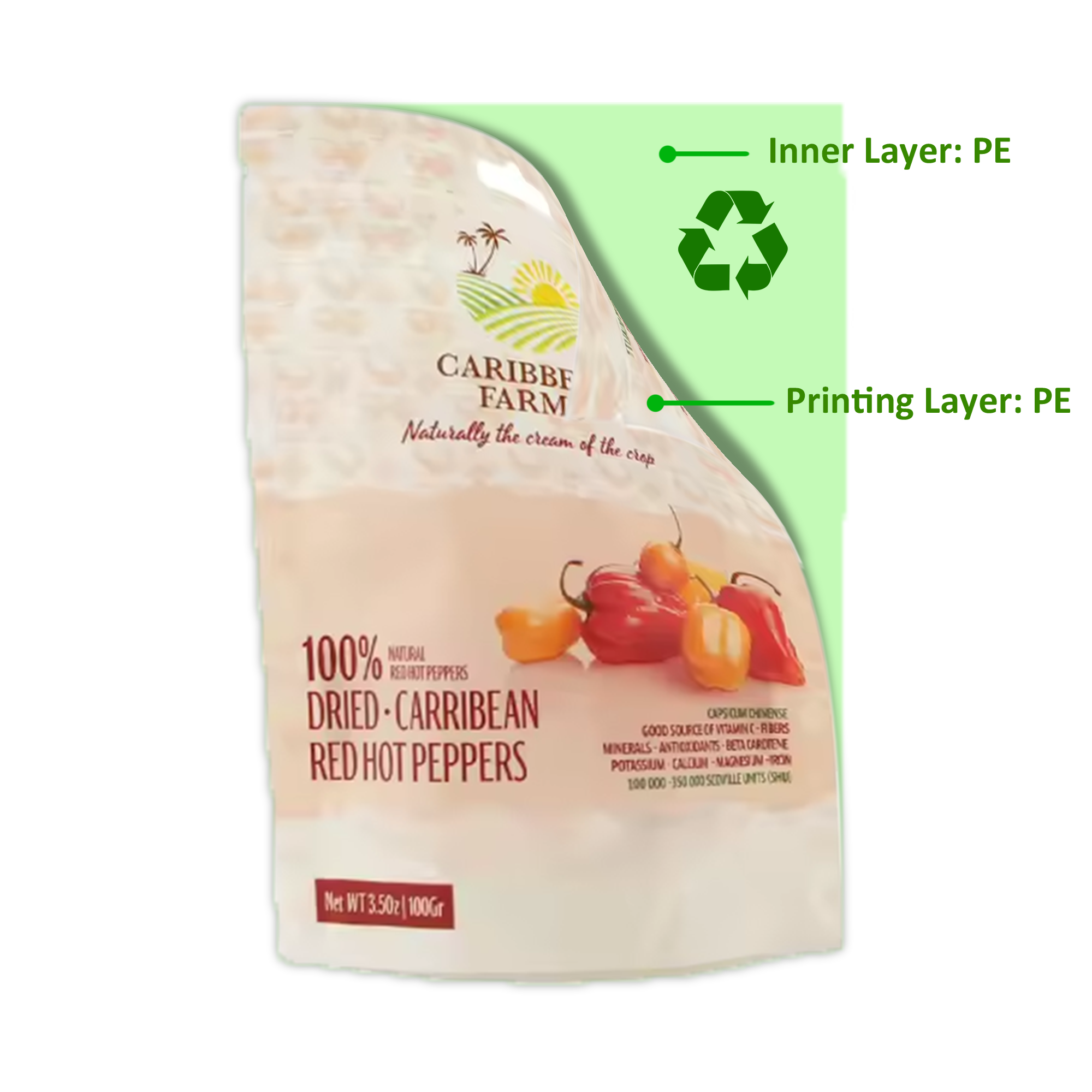
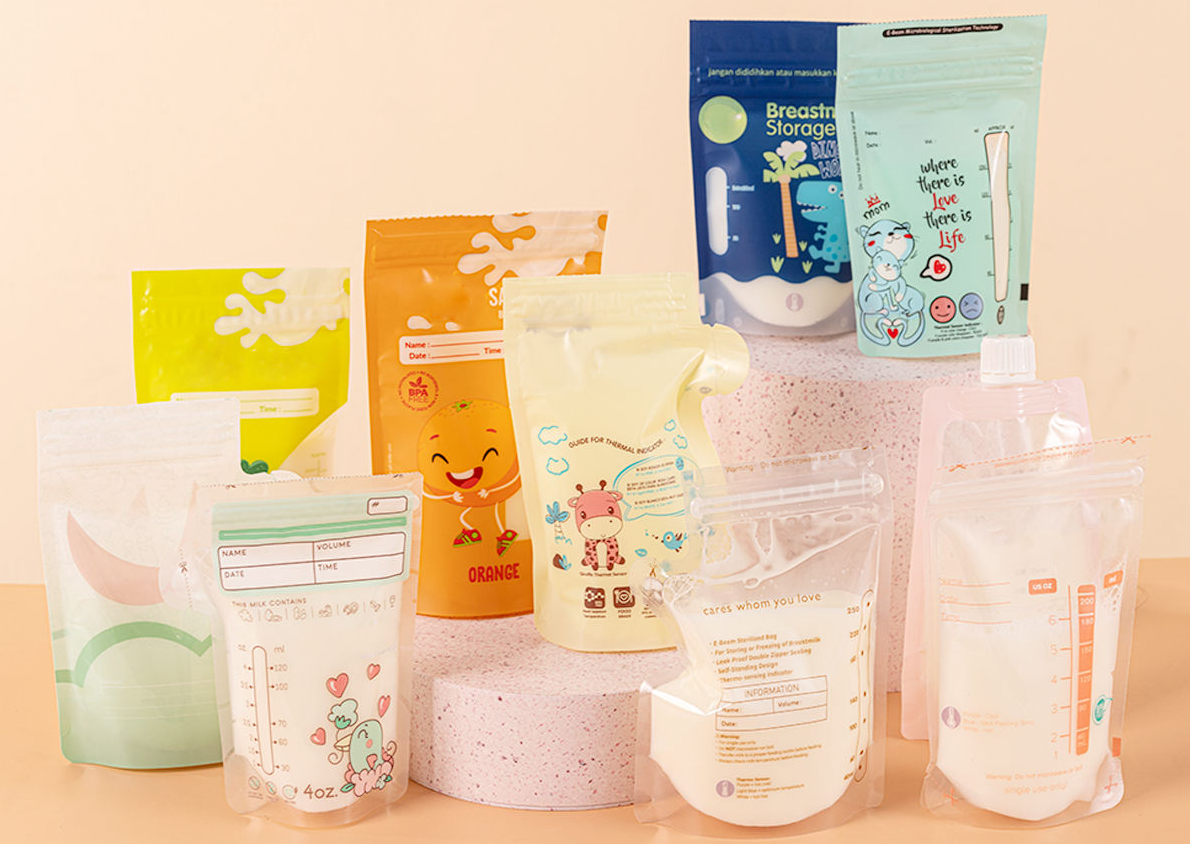
Safe Material: Look for bags made of "food - grade PE/PP". Most importantly, check if there’s a "0 BPA" label on the package. BPA is bad for babies, so never buy cheap bags made of recycled materials.
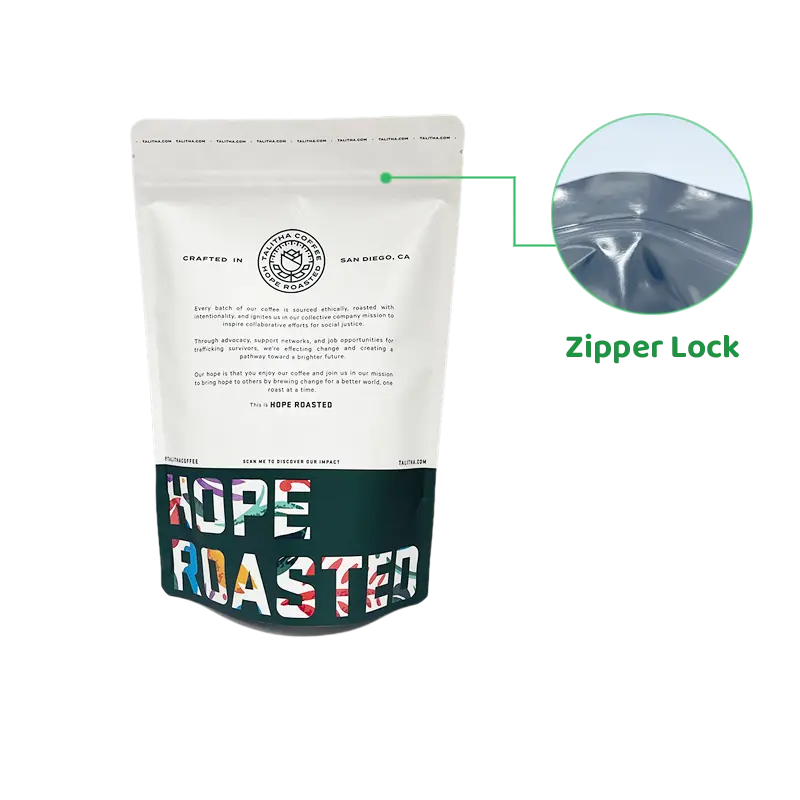
Good Seal: Double zippers are the best because they are less likely to leak.
Right Capacity: Choose the capacity based on how much milk you pump each time (like 150ml, 200ml, or 250ml) and where you’ll store it. If you store milk in the freezer, don’t fill the bag full. Leave 10% - 15% space because milk expands when frozen.
Easy to Use: A bag with a standing bottom is great. You don’t need to hold it when pouring milk. Clear measurement lines help you know exactly how much milk is inside. A writing area is also useful for noting the date and time.
Extra Functions: Some bags can be heated directly, but some can’t (they may change shape when heated). If a bag fits your breast pump, you don’t need to transfer milk, which is more hygienic.
Xlentpac provide high quality customized breast milk storage bags, welcome to contact us!
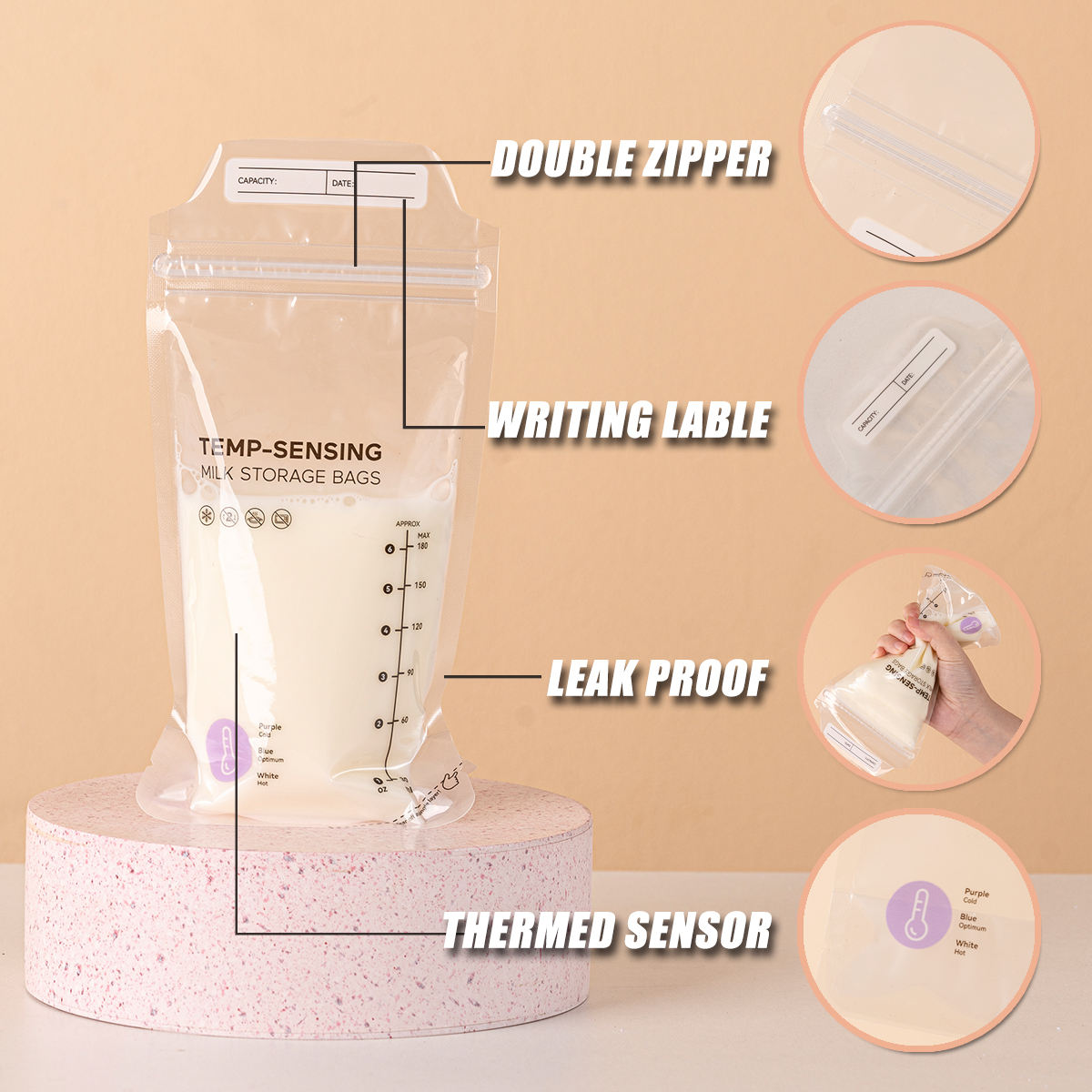
Temperature-sensitive breast milk storage bags
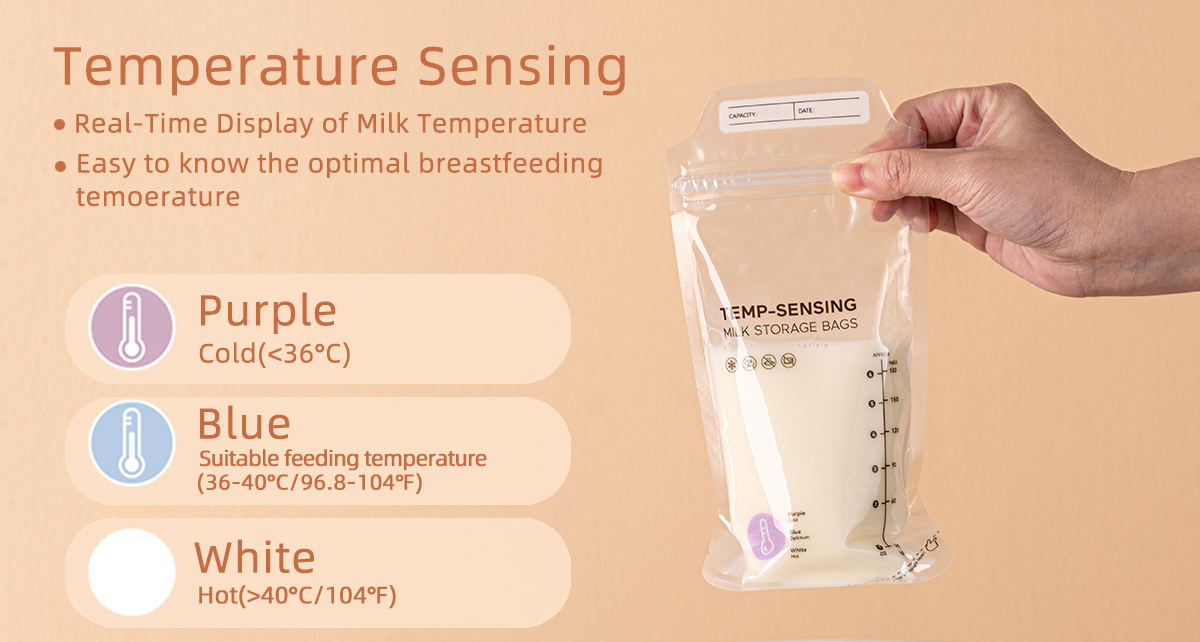
It’s an upgraded version of ordinary breast milk storage bags. Their core advantage is the ability to visually indicate the milk temperature through color changes.
The bag material incorporates a safe, temperature-sensitive color-changing material, typically found on the bag body or near the measurement lines.
Temperature changes trigger a color change; for example, it appears blue at room temperature and turns pink at temperatures above 40℃. The color-changing pattern is indicated on the packaging for different brands.
When heating or thawing, there's no need to repeatedly test the temperature with your hands; simply observing the color indicates whether the temperature exceeds the baby's ideal drinking temperature (37-40℃), preventing burns to the baby's mouth.
Mom can quickly identifies if the milk is too hot (temperatures above 40℃ can destroy nutrients like lactoferrin), allowing for timely stopping of heating and minimizing nutrient loss.
5 Steps to Use Breastmilk Storage Bags
Prepare Before Use: Wash your hands carefully to keep the milk clean. Most sterile bags are ready to use once opened.
Pour Milk Skillfully: When pouring milk, don’t let it touch the seal area of the bag. If it does, the bag may not seal well. You can connect the bag directly to the breast pump tube or pour milk by hand slowly to control the flow.
Let Out Air: Why do we need to let out air? Because less air means the milk’s nutrients stay longer, and the bag won’t break when frozen. You can press the bag to push out air or tilt the bag to let air escape.
Seal the Bag: For double - zipper bags, first close the inner zipper, then the outer one.
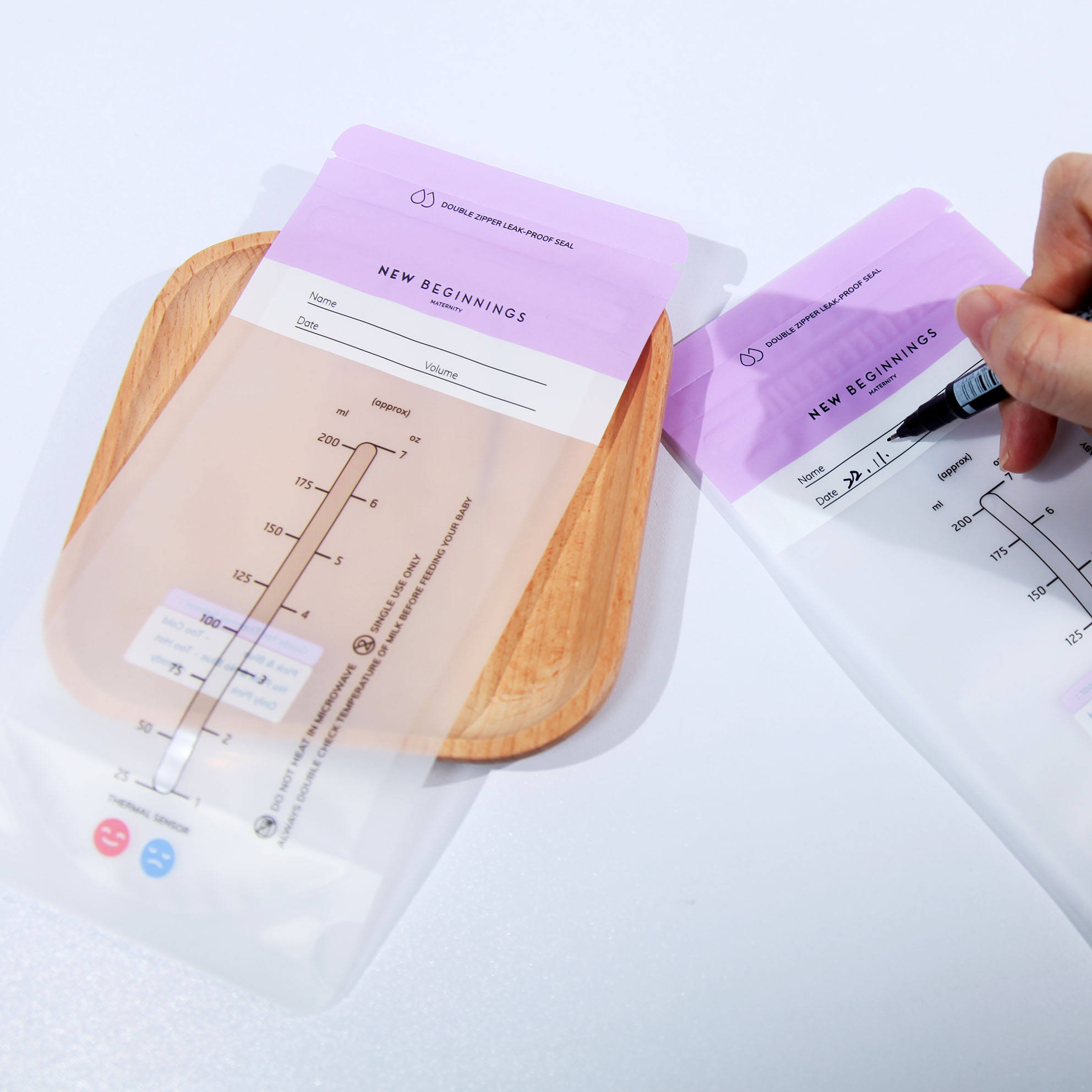
Mark Information: You must write three things on the bag: the date you pumped the milk, the time, and the amount. Use a waterproof marker, so the words won’t get blurry when the bag is in the fridge.
How to Store Breastmilk in Storage Bags?
Storage Time by Temperature:
At room temperature (20 - 25℃): Milk can stay good for no more than 4 hours.
In the fridge (0 - 4℃): It’s best to drink the milk within 3 days (fewer nutrients are lost). But it can stay for up to 72 hours.
In the freezer (below - 18℃): For home fridges, use the milk within 3 months. Commercial deep - freeze fridges can keep it for up to 6 months.
How to Place in the Fridge/Freezer:
In the fridge, don’t put the bags against the inner wall (milk may freeze locally).
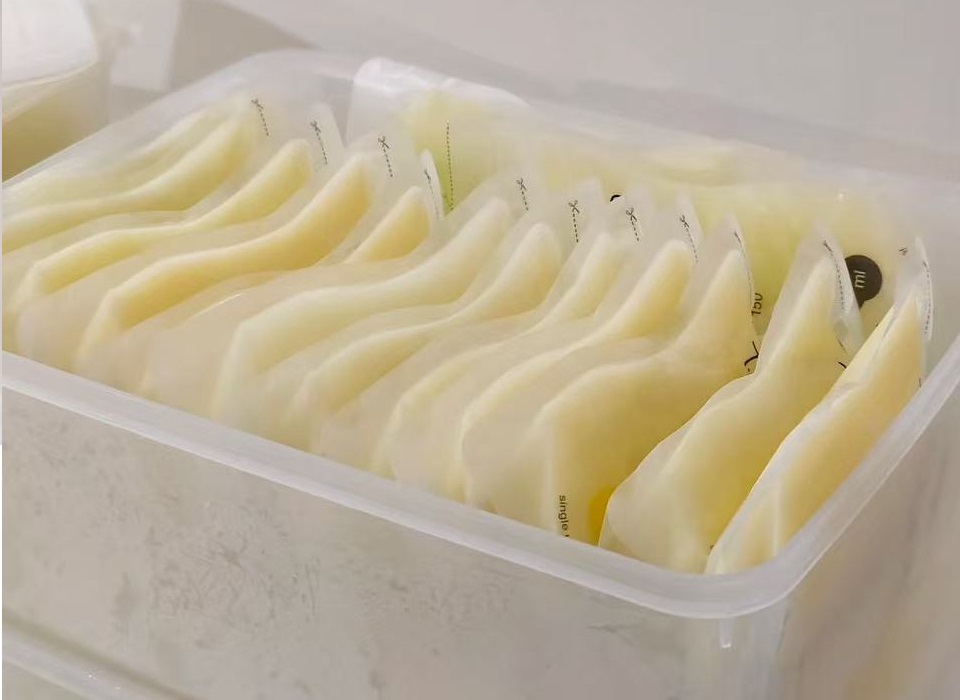
In the freezer, lay the bags flat. This helps them thaw quickly and saves space. You can stack them later.
4 Safe Thawing Methods:
Move the frozen bag to the fridge 12 hours in advance to thaw.
Soak the bag in warm water (below 40℃) and change the water often.
Use a bottle warmer to thaw.
Never boil the bag in water or heat it in the microwave. This destroys nutrients in breast milk.
Rules After Thawing:
Drink the thawed milk within 24 hours.
Never freeze it again (it will have bacteria and lose lots of nutrients).
Also, don’t add new breast milk to it (the big temperature difference makes the milk go bad).
Mistakes to Avoid When Using Breastmilk Storage Bags
Mistake 1: Reusing storage bags to save money. Reusing makes the material old, breaks the seal, and leaves milk stains that grow bacteria. Use each bag once and throw it away after use.
Mistake 2: Thawing frozen milk with boiling water. High temperature destroys nutrients like lactoferrin and immunoglobulin. It also creates hot spots that burn the baby’s mouth.
Mistake 3: Filling the bag full to save space. Milk expands when frozen, so a full bag will break and leak. Fill it to 80% - 85% of its capacity.
Mistake 4: Not writing the amount may lead to waste (if the baby drinks 150ml each time, but you thaw 200ml).
Breastmilk Storage Bags or Storage Bottles?
Many moms wonder: should I use bags or bottles? The answer is use both together for better results! Let’s see their differences first:
Aspect | Breastmilk Storage Bags | Storage Bottles (Glass/PP) |
Storage Space | Foldable/flat, saves fridge space | Takes much space, hard to stack after freezing |
Portability | Light, easy to carry outside | Heavy, easy to break (glass ones) |
Cost | Cheap | Expensive |
Best For | Long-term freezing, outdoor trips | Short-term fridge storage, direct feeding (no transfer) |
Tips for using them:
Use bottles when you need to store milk in the fridge for 1-2 days (you can feed the baby directly from the bottle, no need to move the milk—this keeps it clean).
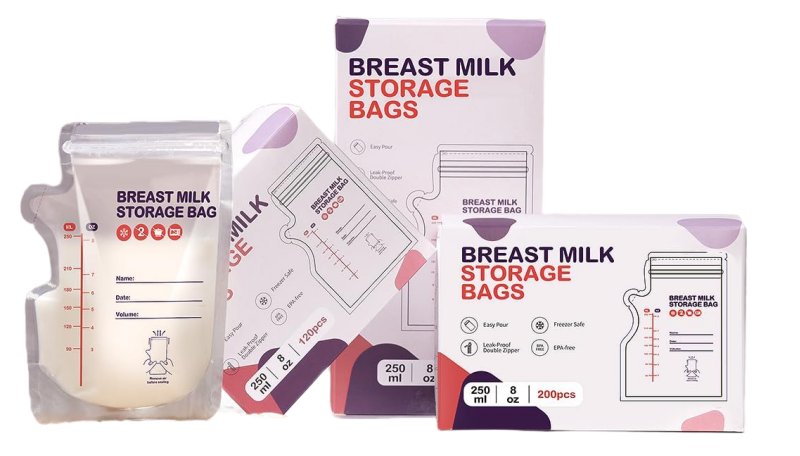
Use bags when you need to freeze milk for a long time or take it outside (they save space and are easy to carry).
Cool Hidden Uses of Storage Bags (Save Money!)
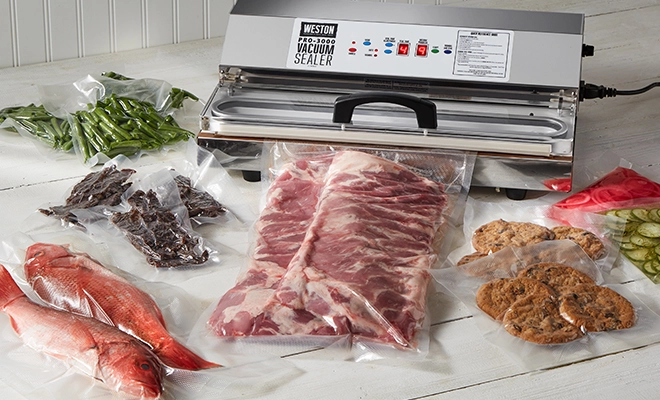
Store baby food: Freeze homemade food like iron-rich rice paste or vegetable puree. One bag is one serving, easy to heat.
Store small baby things: When going out, put wet wipes, cotton swabs, or pacifiers in the bag. It’s waterproof and keeps things clean.
If your child has started drinking formula, you can pack it in storage bag with you when you go out, so you don't have to carry a whole tub!