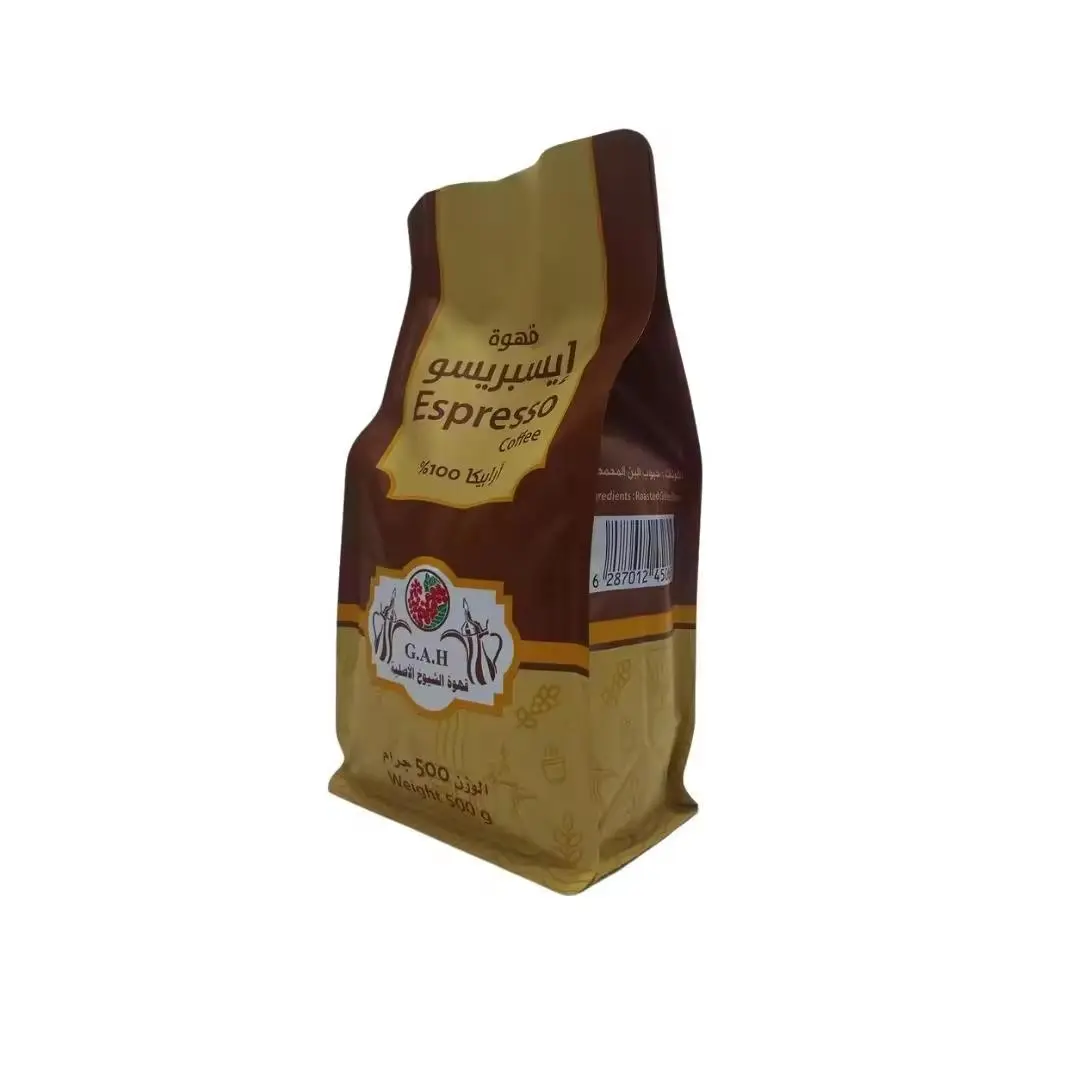
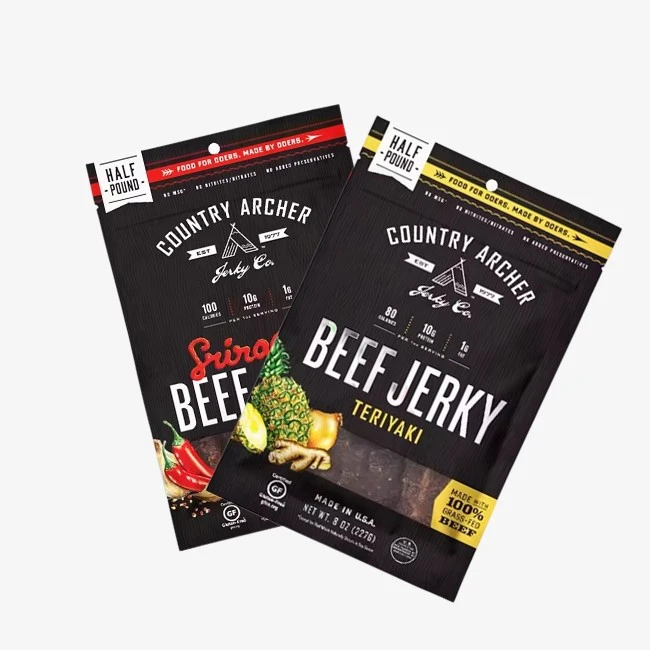
The Function of a Rice Packing Bag
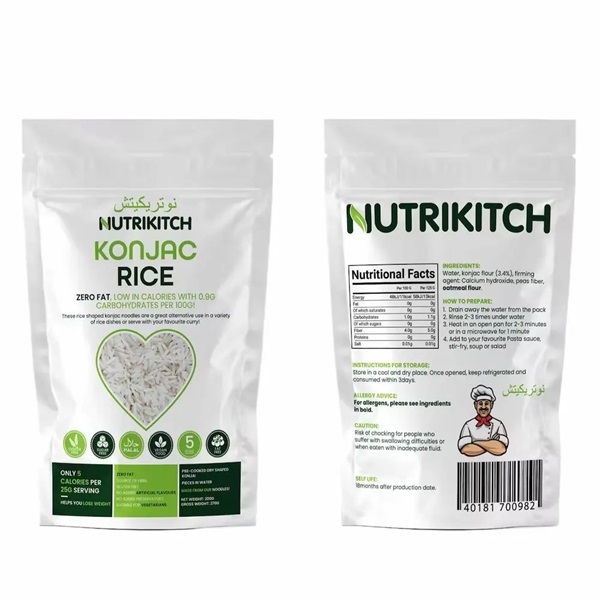
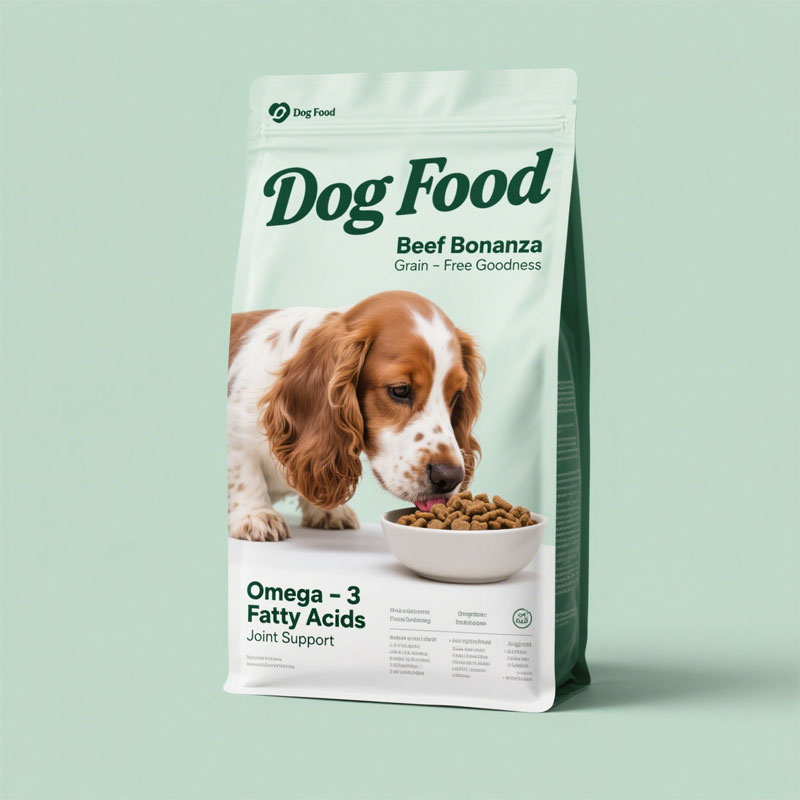
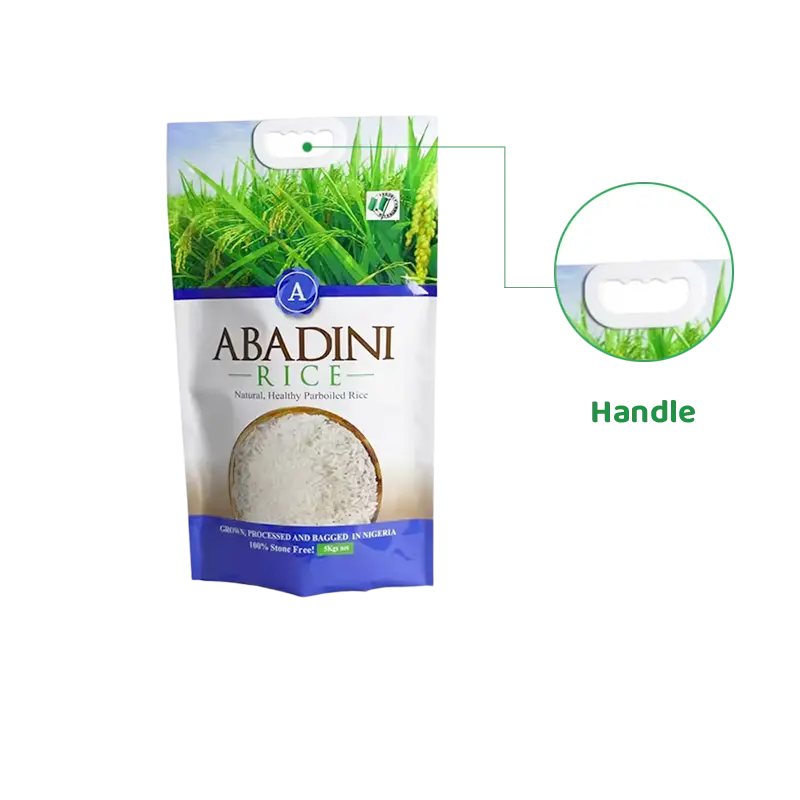
In today's global food supply chain, a rice packing bag is far more than a simple container; it is a protective shield that ensures grains remain fresh, safe, and appealing from production to the consumer's table. Rice, being a staple food for billions of people worldwide, requires packaging that can resist moisture, contamination, and mechanical stress during transport and storage. A well-designed rice packing bag offers durability and barrier protection, while also providing ample space for branding and nutritional information. Its role goes beyond preservation by also influencing purchasing decisions through visual presentation and consumer trust.
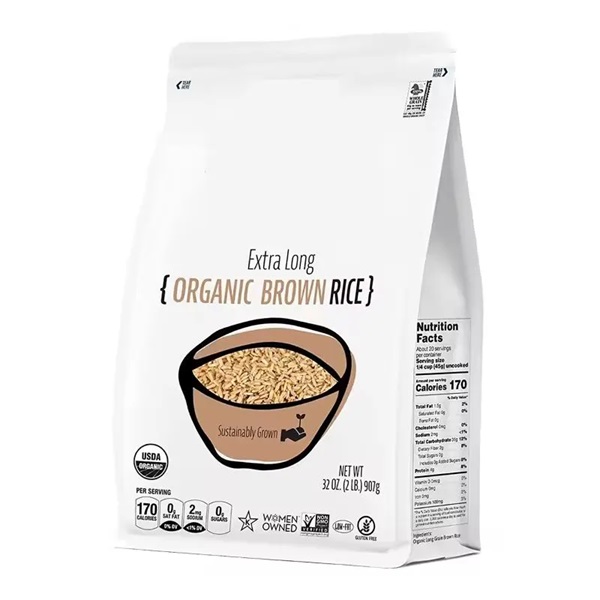
Advantages of High-Quality Rice Packing Bags
The benefits of a premium rice packing bag extend to both producers and consumers. For producers, packaging must be cost-efficient, adaptable to automated filling systems, and reliable enough to maintain the integrity of large quantities of rice. For consumers, the bag ensures that the rice they purchase is safe, uncontaminated, and easy to store at home. Companies like Xlentpac, with 18 years of experience in flexible packaging, specialize in producing customized rice packing bags that are tailored to meet the unique demands of different markets. Their production facilities in Qingdao, covering 38,000 m² and employing more than 300 skilled workers, guarantee that large-scale orders can be fulfilled without compromising quality.
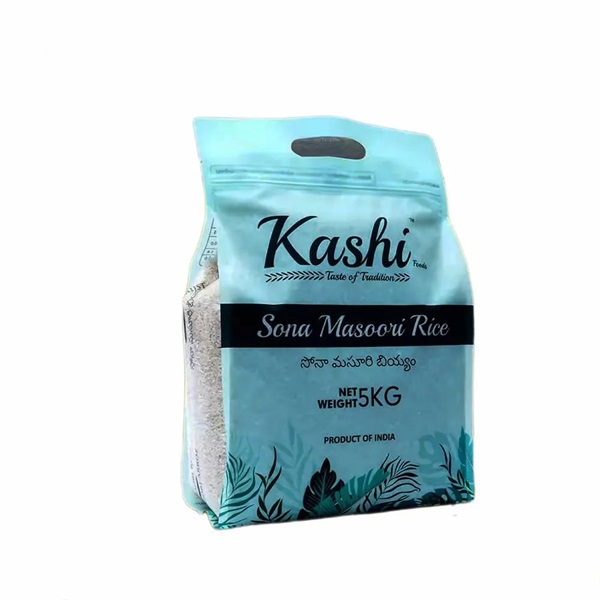
Comparing Rice Packing Bags with Other Packaging Options
When considering packaging for rice, businesses often evaluate rice packing bags against alternative solutions such as jute sacks or rigid plastic containers. Each option has its strengths, but modern rice packing bags provide a more balanced approach.
Aspect | Rice Packing Bag | Jute Sack | Rigid Plastic Container |
Freshness & Protection | Strong barrier against moisture and pests | Limited barrier, vulnerable to insects | Excellent barrier but prone to cracking |
Weight & Handling | Lightweight and easy to transport | Heavier and less convenient | Bulky and less efficient for storage |
Branding & Design | Large printable surface for graphics | Limited branding opportunities | Limited design flexibility |
Cost-Effectiveness | Efficient and adaptable for large volumes | Generally low cost but less durable | Higher production and transport cost |
Market Appeal | Attractive and consumer-friendly | Traditional but less modern | Practical but less appealing on shelves |
This comparison illustrates why rice packing bags are now the preferred choice for modern food distribution, as they combine durability, cost-effectiveness, and strong visual presentation.
Application Scenarios of Rice Packing Bags in the Food Industry
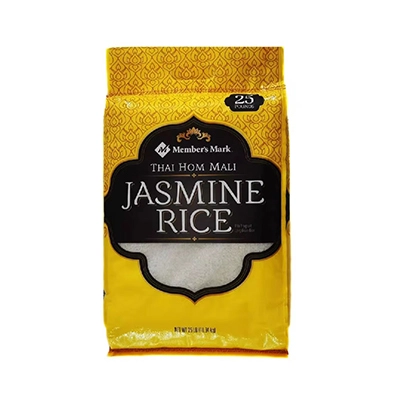
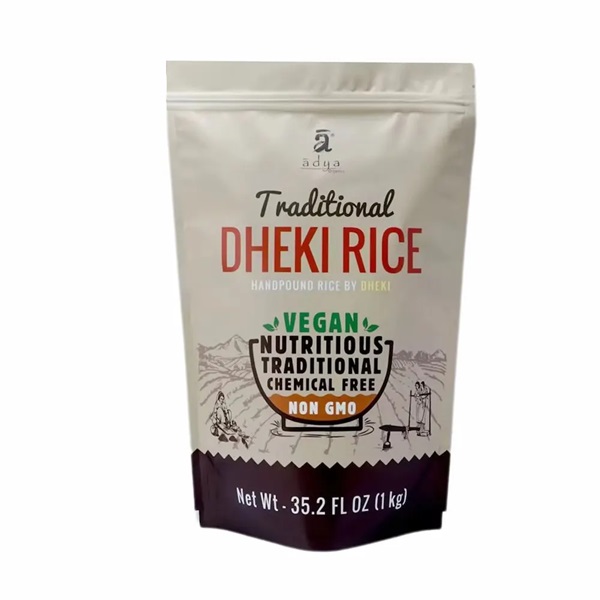
Rice packing bags are widely used across retail, wholesale, and export markets. In retail, smaller bags with user-friendly designs attract consumers who prefer manageable quantities with resealable features. For wholesale and export, larger rice packing bags provide cost efficiency and ensure safe bulk transportation across long distances. With annual exports exceeding 1,000 containers to 80 countries, Xlentpac has proven expertise in meeting these diverse demands. Their customized solutions ensure that rice brands can adapt packaging not only to protect the product but also to meet the cultural and regulatory requirements of different markets.
The Future of Rice Packing Bags in Global Food Security
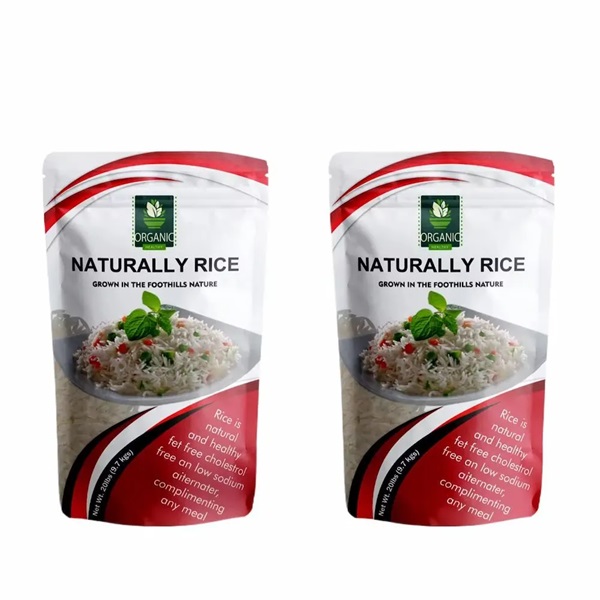
As food safety and sustainability continue to shape consumer preferences, rice packing bags are evolving to integrate stronger barrier technologies and more eco-friendly materials. These advancements ensure that rice remains fresh while reducing the environmental impact of packaging. With innovation as a driving force, rice packing bags are set to play an even greater role in balancing food preservation with global distribution needs. By combining practicality, safety, and visual appeal, they are not only protecting one of the world's most essential foods but also shaping the way it reaches consumers across continents.