Introduction: Why Child-Friendly Packaging Is a Mandatory Course for Every Brand
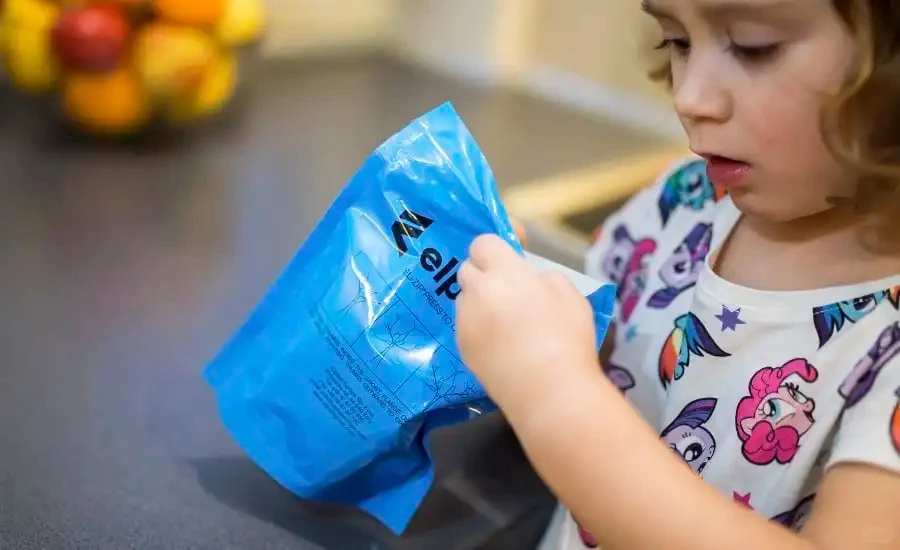
Curiosity drives children to explore, touch, and taste everything around them. What looks like a mundane plastic pouch to a grownup can be an intriguing plaything to a child. That simple truth transforms the design of plastic packaging, particularly anything within a child’s reach, into a task that goes well beyond product protection.
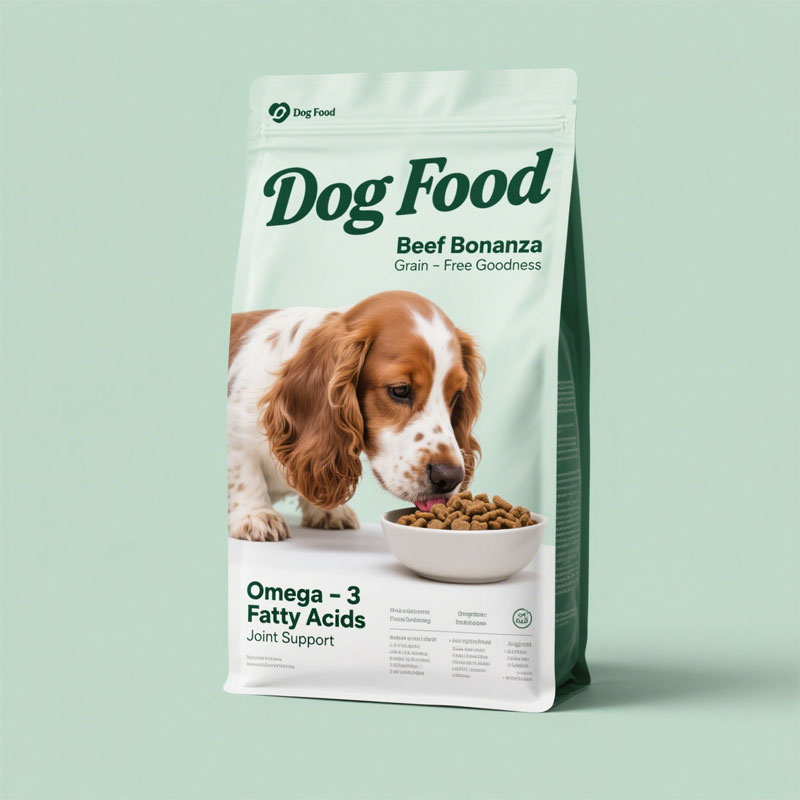
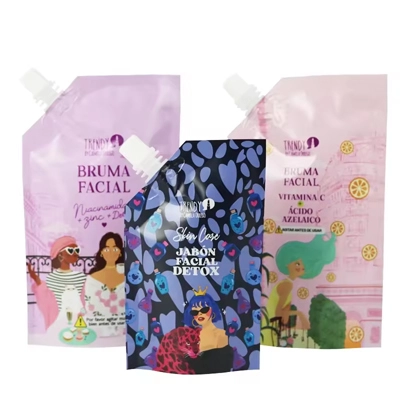
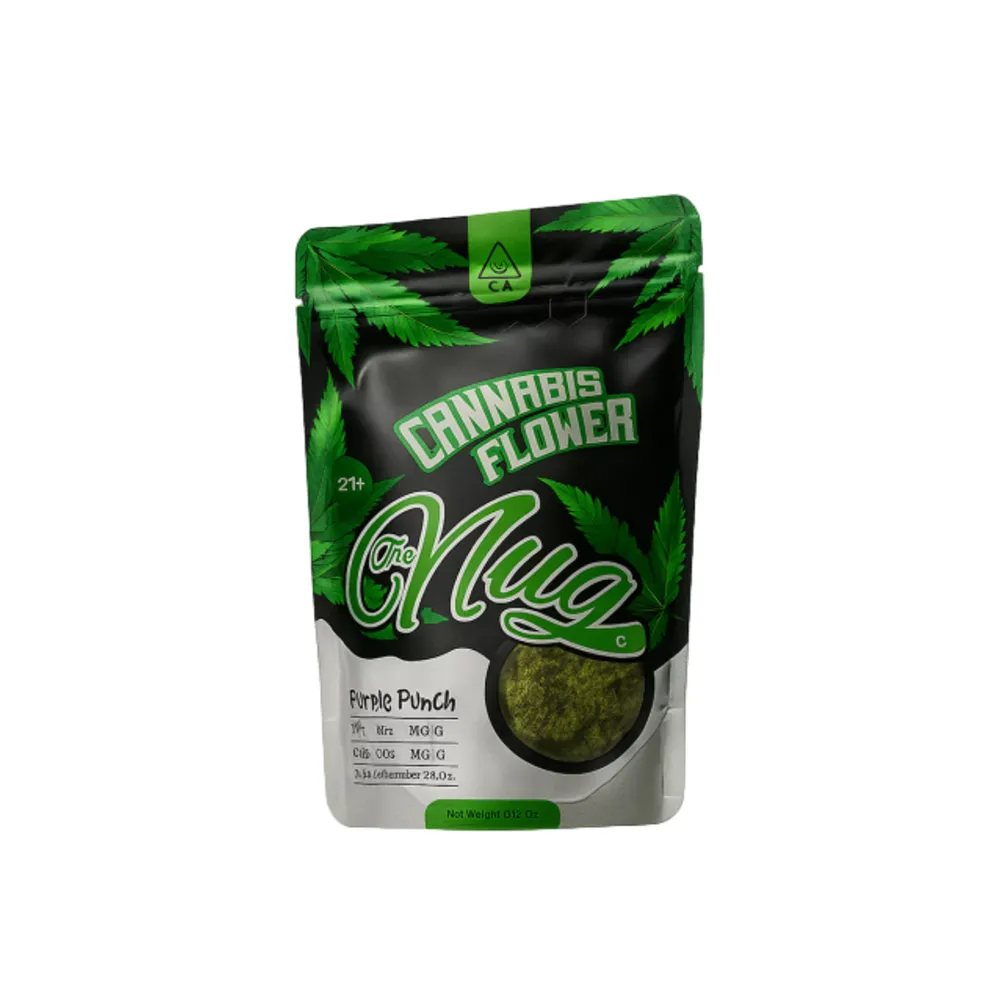
Many assume child‑friendly packaging is just for kids' products—toys, snacks, and the like. Wrong. The reality is far broader—and far more dangerous. Medications, supplements, nicotine products, household chemicals (think laundry pods), pesticides, even pet foods become lethal hazards in little hands. In 2020, accidental poisoning was the second leading cause of injury‑related death for U.S. children and teens aged 1–19. Among them, drugs accounted for 73% of poisoning deaths in 0–9 year‑olds—and a staggering 96% in 10–19 year‑olds.
These numbers aren't just statistics. Behind each one is a family torn apart—and a sobering responsibility for every professional in the packaging chain.
Globally, the push for child‑safe packaging is accelerating fast. In 2025, the market was valued at between $17.5 billion and $30.4 billion (depending on the source), and is projected to reach $28.8 billion to $56.1 billion by the 2030s. In China—the world's second‑largest economy—the child‑safe packaging sector is expected to hit $7.1 billion by 2032, growing at a CAGR of 9.6%. Three forces are driving this surge: tighter safety regulations, more safety‑conscious consumers, and steady advances in packaging technology.
In this article, we break down the design essentials for plastic packaging bags that children might encounter—across four dimensions: safety, usability, and appeal. Our aim is to give packaging buyers, designers, and manufacturers a practical, actionable reference for getting it right.
Safety Design: The Non-Negotiable Bottom Line
2.1 Child‑Resistant (CR) Design
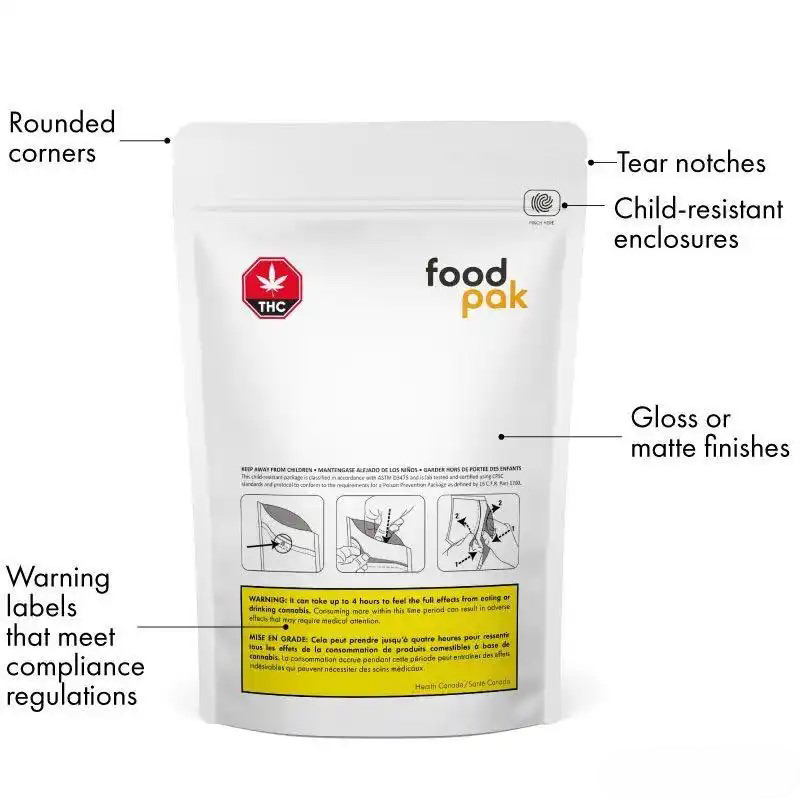
The core design objective of child-resistant (CR) packaging is to make packages difficult for children under five years old to open, while ensuring they can be easily operated by adults, including the elderly. Such designs are not intended to make the packaging impossible for everyone to open. Instead, they leverage the differences in cognitive ability and hand strength between adults and children to create a combination of an "intelligence lock" and a "strength lock".
Core Design Logic
Motor‑skill complexity – Young children typically manage only single‑direction actions like pulling or tearing. CR packaging, by contrast, demands compound moves—press‑and‑slide, align‑and‑pull—that are beyond a toddler’s coordination.
Force threshold – Opening CR packs usually requires a vertical force of over 15 newtons at specific points. That's well above a child's finger strength, yet effortless for an adult.
Concealed cognitive cues – Markings for opening positions are designed to be understated (e.g., embossed textures instead of eye-catching bright color labels). Users need to read the instructions or possess logical reasoning capabilities to figure out the opening mechanism.
Mainstream Structures: Three Heavy‑Duty "Mechanisms"
On Xlentpac's production line, the most used CR structures fall into three categories:
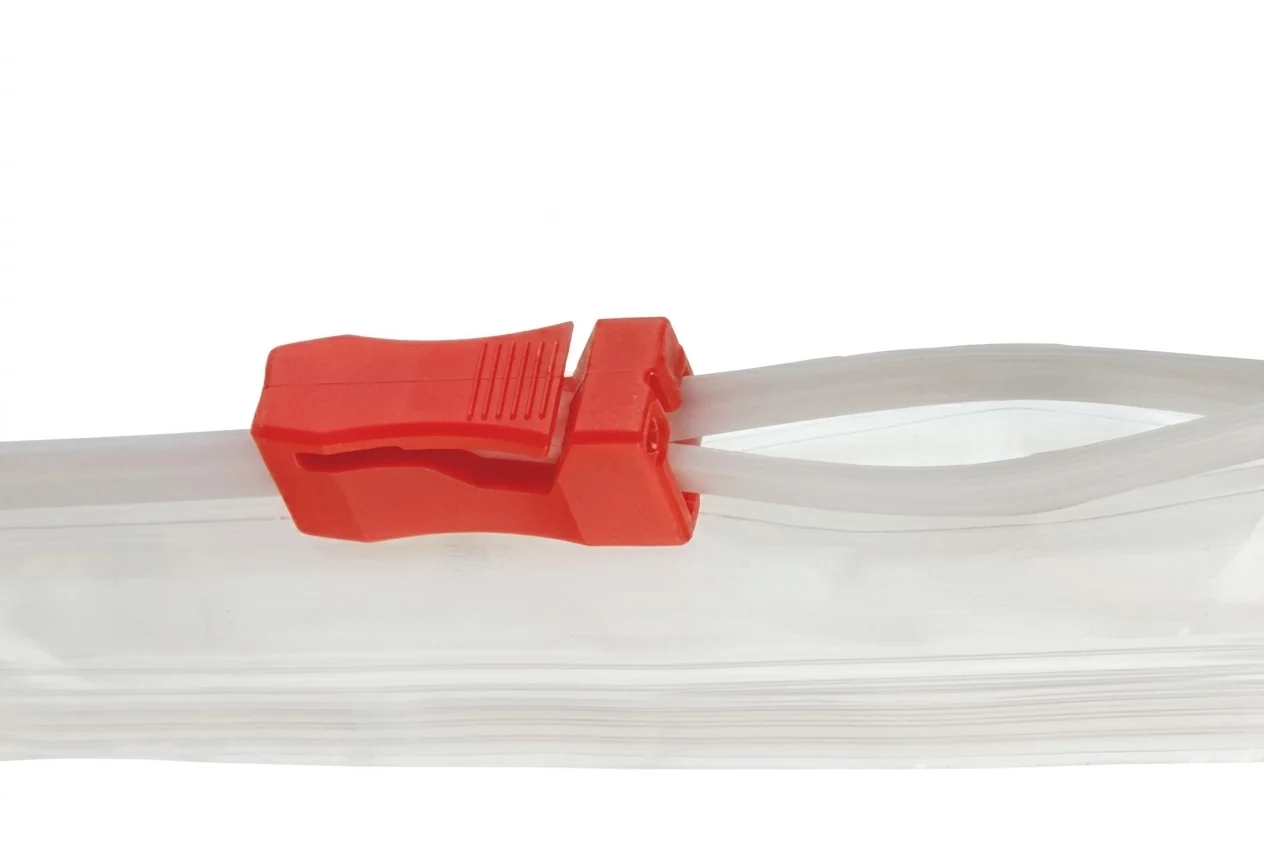
1. Concealed Zipper (Slide & Press)
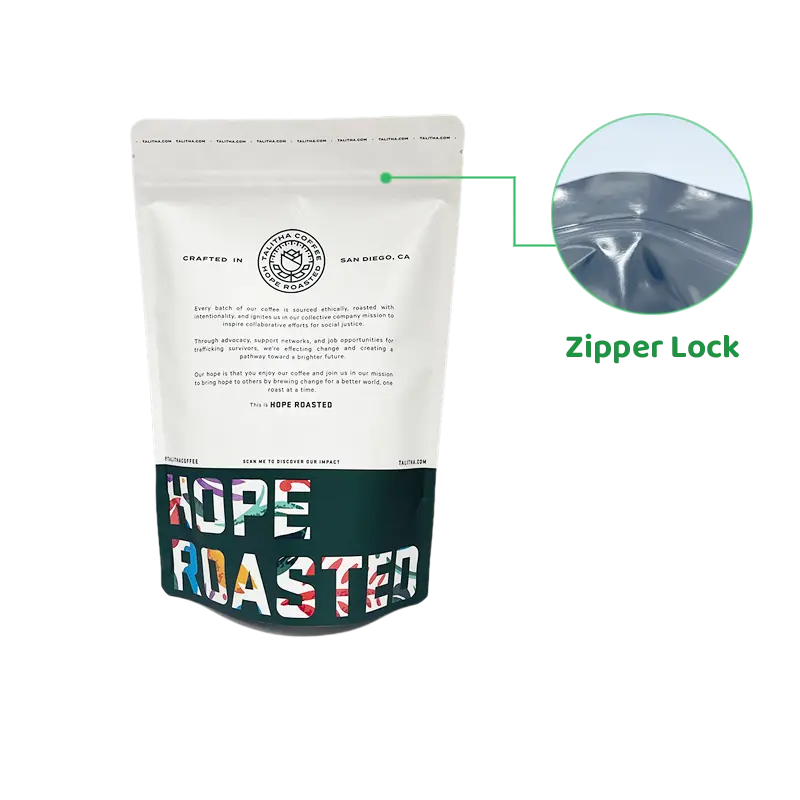
A physical locking clip is hidden inside the zipper track. To open it, you must press a specific spot with the pad of your finger to disengage the internal plastic catch—only then can the zipper be pulled open.
2. Dual‑Zipper Design (Sync‑Pull)
This design features two zippers—one at the top and one on the side—that must be pulled simultaneously to open. Xlentpac's dual‑zipper child‑resistant bags come in two opening configurations: top‑open and side‑open. Opening the bag requires understanding and executing the abstract concept of "simultaneous operation"—a cognitive task that exceeds young children's problem‑solving abilities and comprehension of complex instructions. Even if a child could grasp the concept, they typically lack the hand strength and fine motor skills needed to perform the coordinated action.
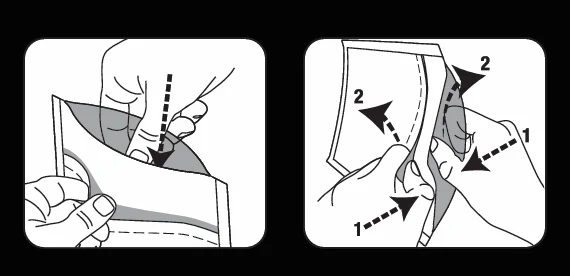
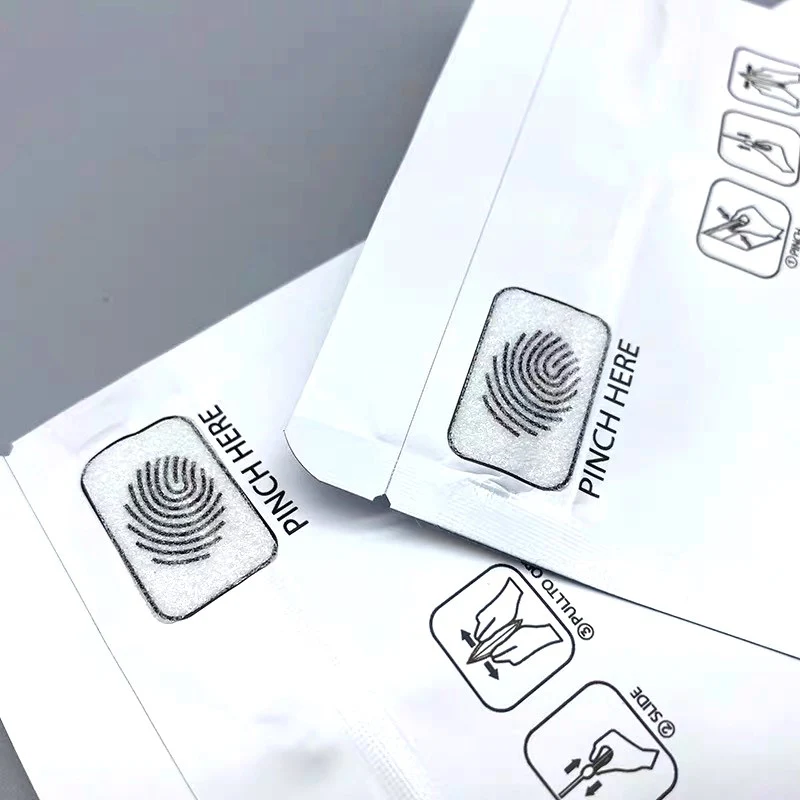
3. Grip‑Pad (Friction‑Assisted)
The zipper is designed with an exceptionally tight seal. To open it, you must use the textured grip pad on the back of the bag to gain enough friction to pull it apart.
International Testing Standards
To qualify as child‑resistant, any CR packaging must pass rigorous third‑party laboratory testing. Major markets around the world have established their own standard frameworks.
Applicable products: Pharmaceuticals, dietary supplements, tobacco/nicotine products, household chemicals (e.g., laundry pods, concentrated cleaners), personal care products, pesticides, fertilizers, and more.
2.2 Choking / Suffocation Prevention Design
Suffocation risks for children come from at least two directions: film‑related suffocation (plastic film clinging to the face) and choking from small parts (airway obstruction from swallowed components). Both are equally fatal. Any plastic packaging that children might encounter, whether a toy outer bag, a food spout pouch, or a pharmaceutical inner pouch—must account for both risks simultaneously.
Risk 1: Film‑Related Suffocation
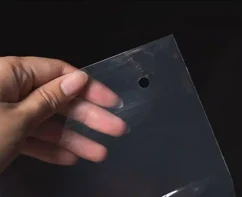
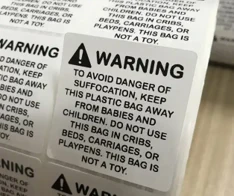
A thin plastic bag clinging to a child's mouth and nose can conform tightly under the negative pressure of breathing, blocking gas exchange. Major toy safety standards worldwide have reached a strong consensus on this: for plastic films with a smallest external dimension greater than 100mm, the average thickness must be ≥0.038mm. ASTM F963 (US), EN 71‑1 (EU), GB 6675.2 (China), and ISO 8124‑1 (international) all align on this requirement. If thickness falls short, perforations must be provided as an alternative. At the same time, warning labels serve as the "last line of defense" —a global requirement.
Risk 2: Choking from Small Parts
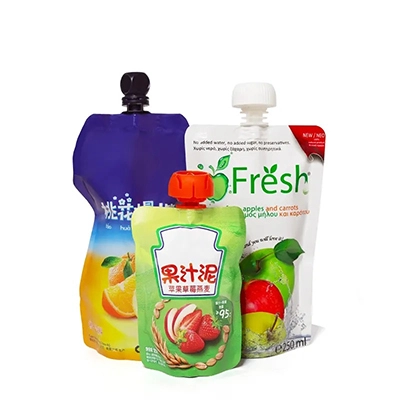
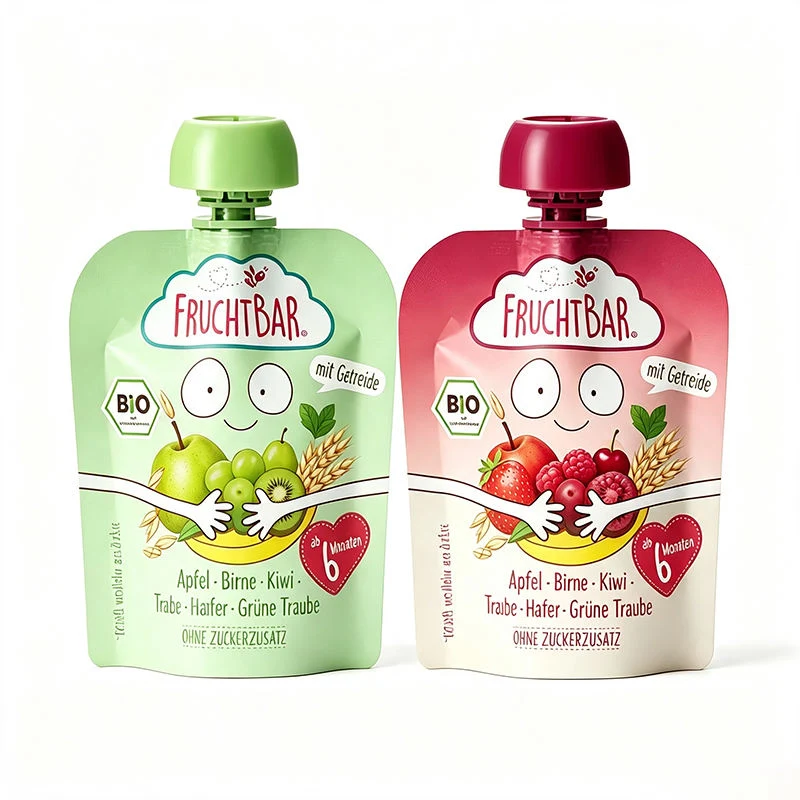
Once the spout cap on a child's food pouch or beverage bag is unscrewed and placed in the mouth, it can completely block the airway—a choking hazard that no anti‑suffocation design should overlook.
The internationally recognized "small parts" test is based on a small‑parts cylinder (designed to simulate the throat size of a child under 3): any component that can fit entirely into the cylinder is considered a choking hazard. The critical safety dimension is 31.7mm—any part with a diameter larger than this cannot be physically swallowed whole.
Key design features for spout cap anti‑choking:
Size control – The cap diameter must exceed the small‑parts cylinder dimension (>31.7mm), making it impossible to fit entirely into a child's mouth.
Ventilation holes – Provide axial and radial airflow channels on the cap body, so that even if swallowed, airflow can still pass through.
Shape optimization – Round all edges and corners to prevent injury to the mouth and esophagus if bitten or swallowed.
2.3 Material Safety
Packaging materials themselves must be non‑toxic and harmless, with no risk of chemical migration into the contents or direct contact with children.
Primary risk factors:
Plasticizers (phthalates) – Can disrupt the endocrine system and potentially trigger premature puberty in children.
Heavy metals – Lead, cadmium, and other heavy metals pose serious hazards to children's nervous system and organ development.
Primary aromatic amines (PAAs) – Can damage the liver and kidneys; prolonged exposure increases cancer risk.
Compliance requirements: Exported products must meet internationally recognized certifications such as RoHS, REACH, and FDA.
Detail‑Oriented Design: Beyond the Material Itself
Material safety depends not only on the choice of substrate, but also on the finer points of design:
Printed area control – On the inner side of packaging, we recommend using large solid‑color or unprinted zones to minimize direct contact between inks and the product—especially for food and pharmaceuticals. Printing inks may contain harmful substances such as PAAs and heavy metals; reducing the contact area between ink and contents is an effective way to lower migration risk.
Isolation of supplementary materials – Desiccants, oxygen absorbers, and other supplementary materials should be placed in positions that are difficult for children to access (e.g., sealed in separate compartments) to prevent accidental ingestion. These materials themselves may contain chemicals—and if a child manages to retrieve and swallow them, the consequences can be severe.
Colorant selection – Avoid pigments and dyes that contain heavy metals. Prioritize colorants that are approved and permitted for the specific application under relevant regulations (the "positive list" principle).
Supplier management – Choose raw material suppliers with a strong track record and the ability to provide full compliance declarations and test reports. Controlling material safety at the source is far more reliable than fixing problems downstream.
A safe package begins with rigorous scrutiny of every raw material source, and continues through meticulous control at every stage of production. For packaging manufacturers serving global markets, knowing and following the regulatory requirements of your target markets isn't just about compliance—it's a commitment to every child who might ever come into contact with your product.
2.4 Physical Safety Design
The structure and shape of the packaging must not cause physical injuries such as cuts or scratches:
Round all edges and corners – or reinforce them to prevent sharp edges from scratching children's hands.
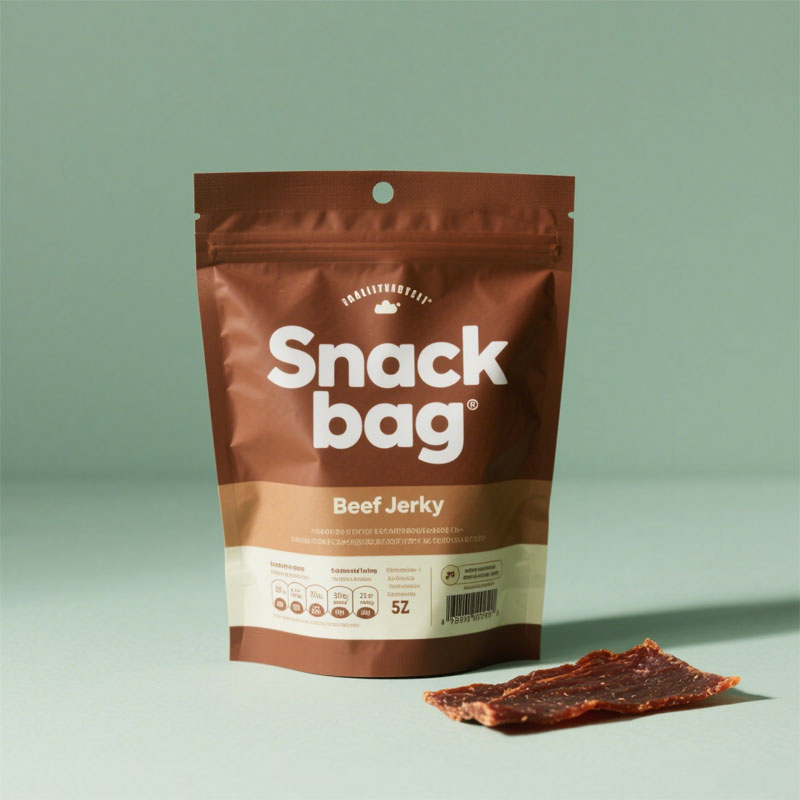
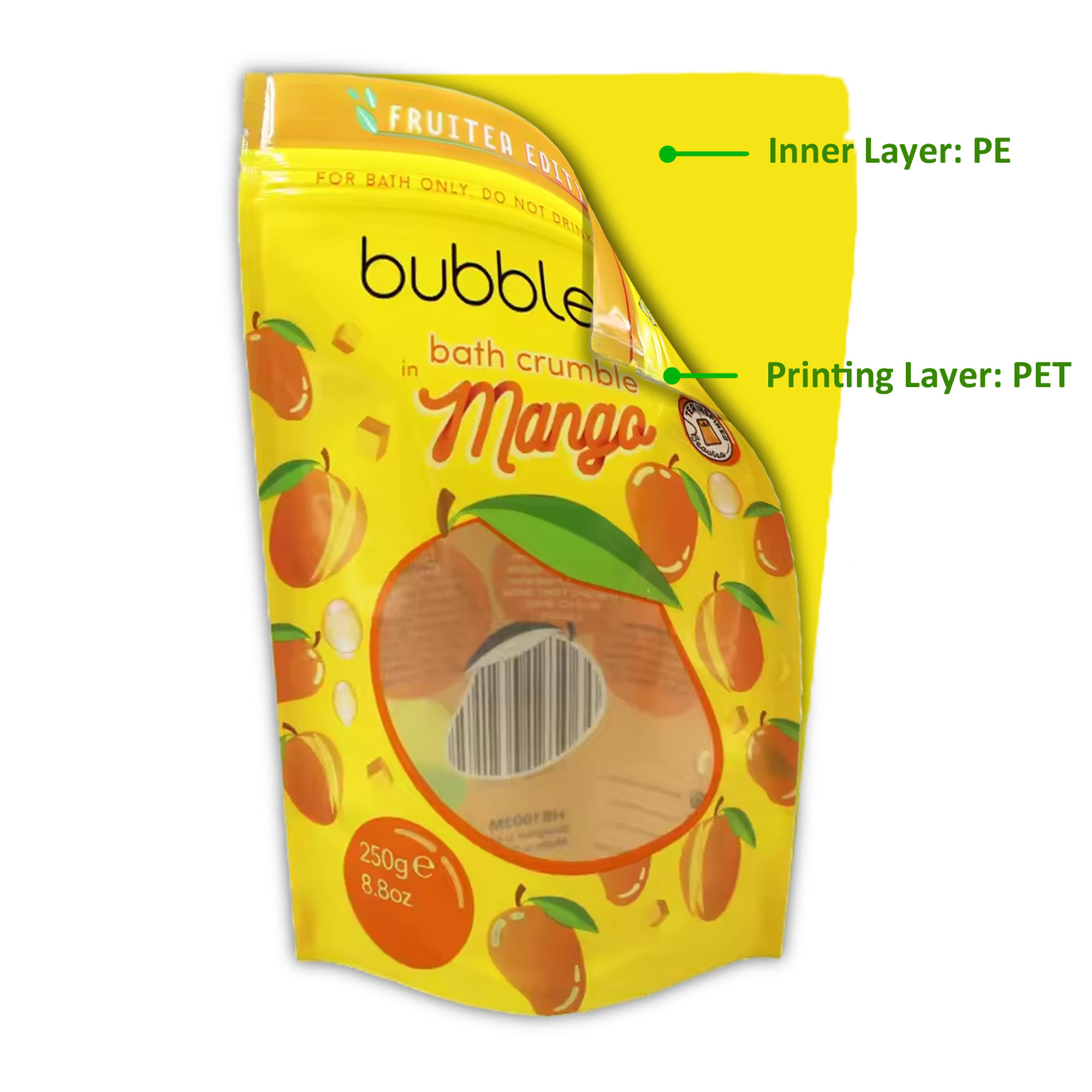
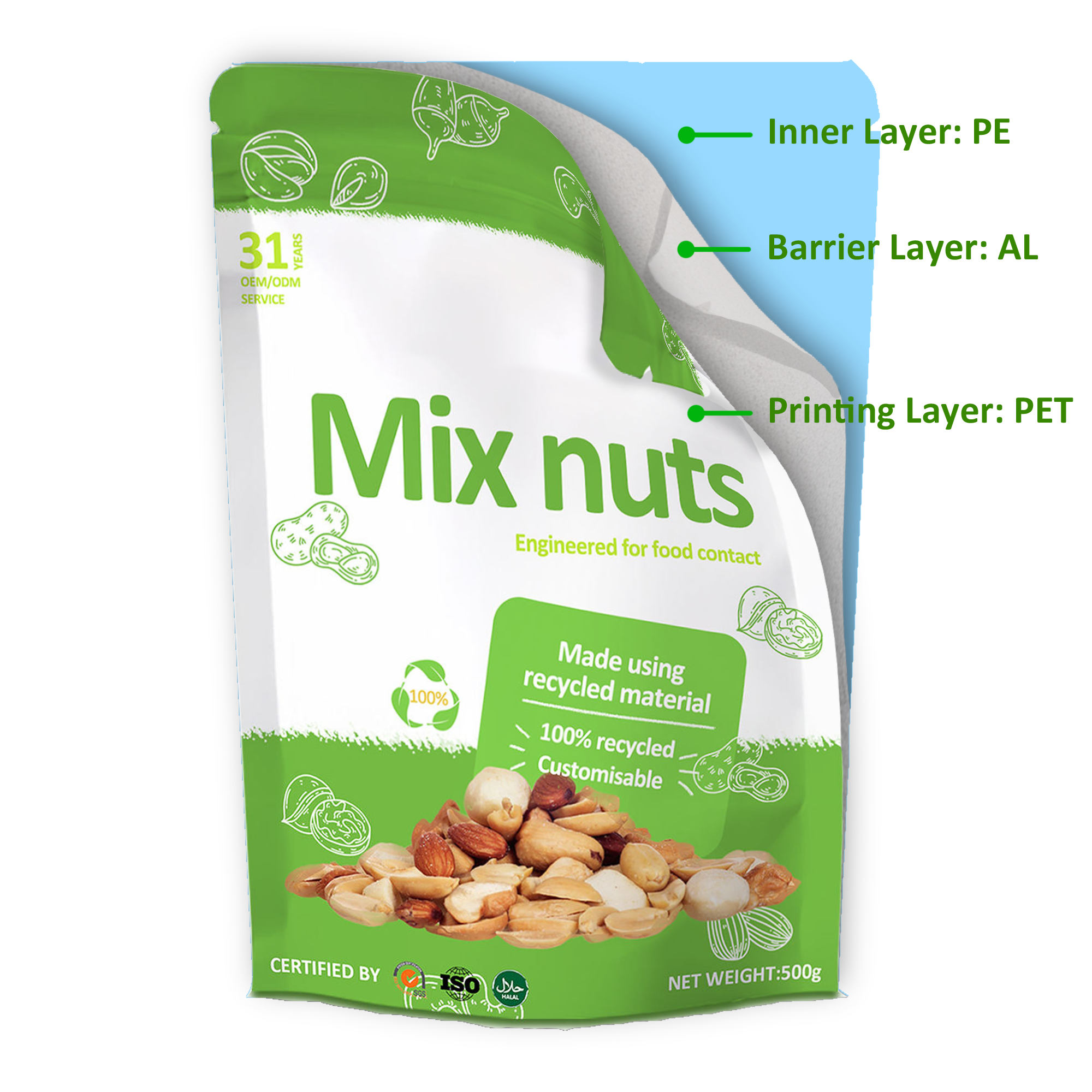
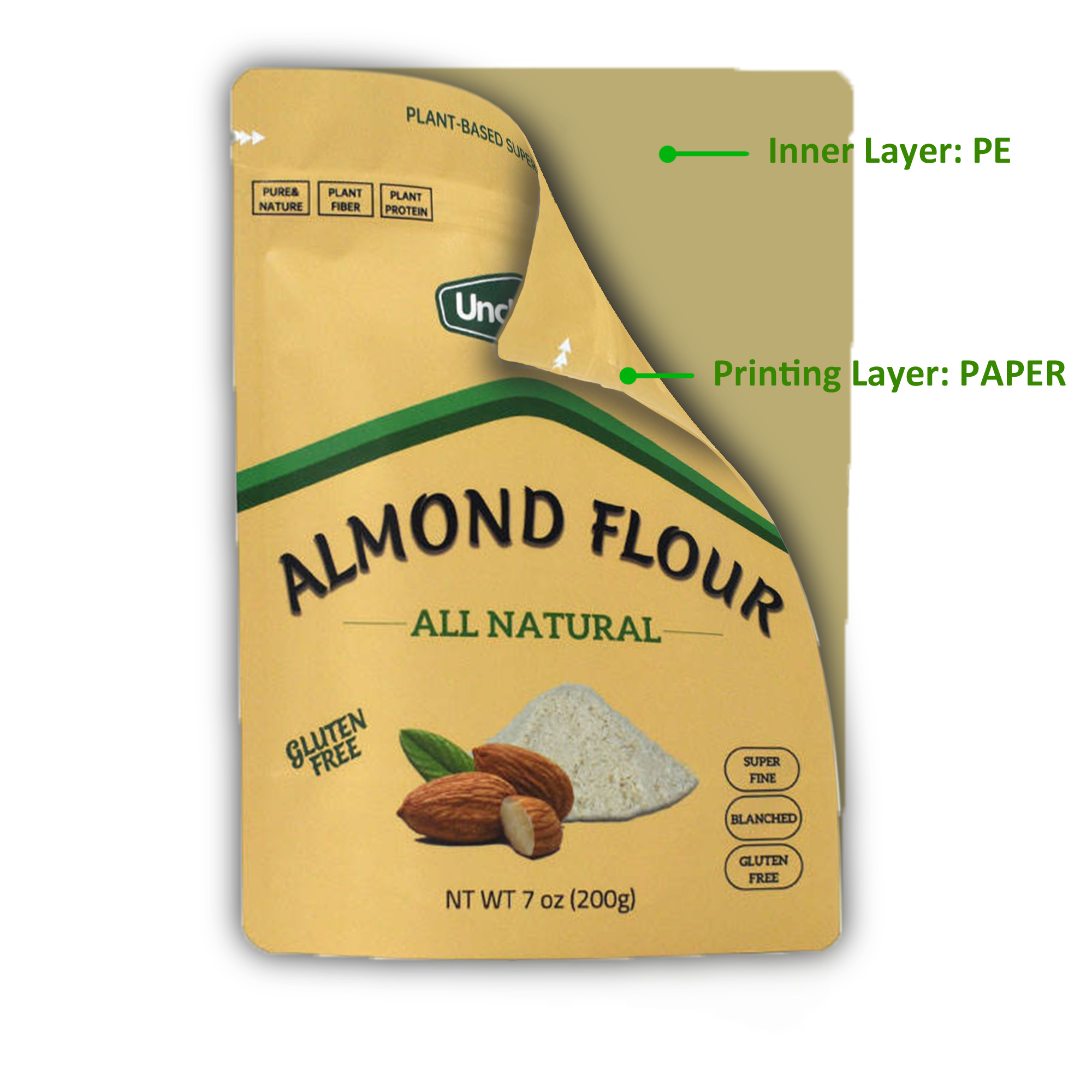
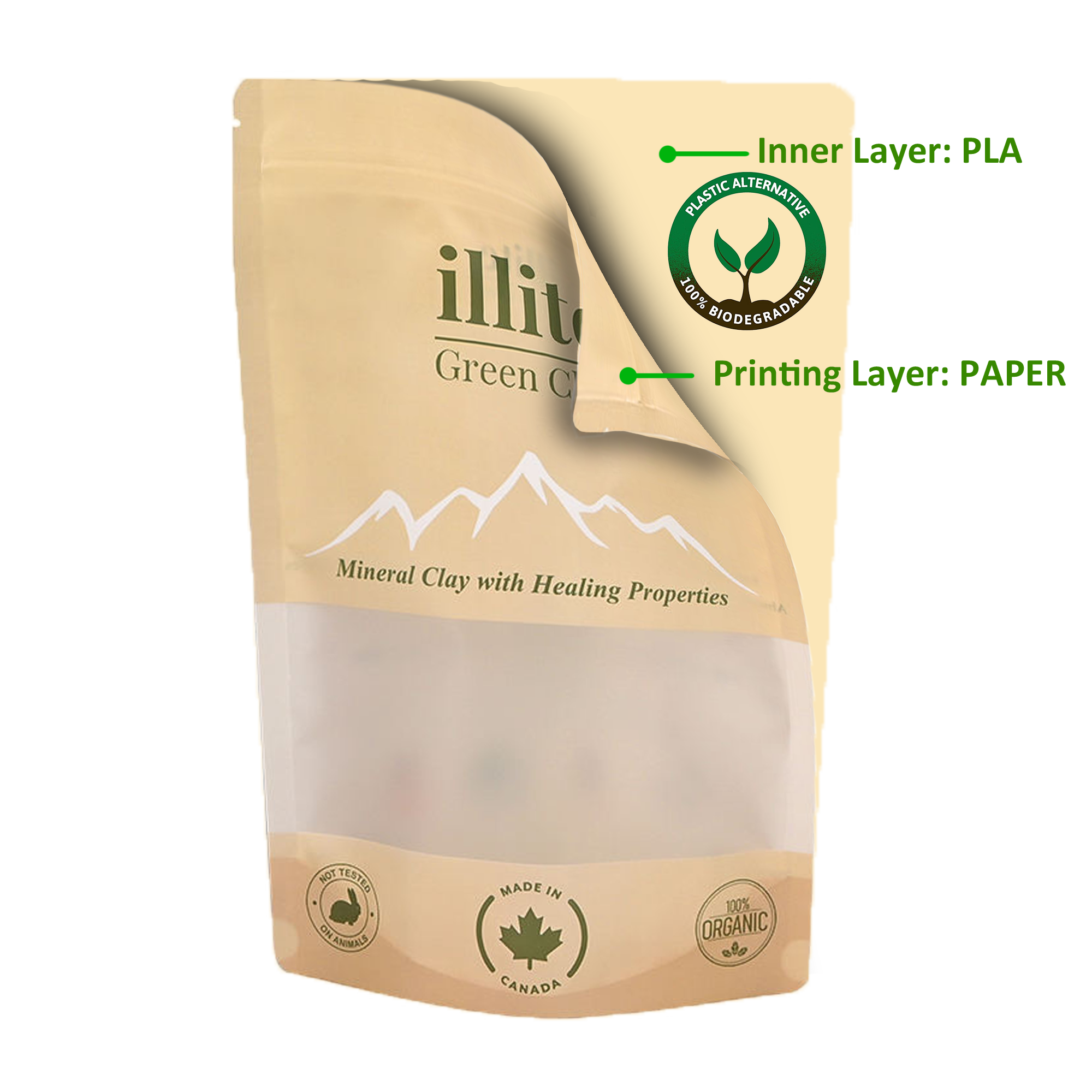
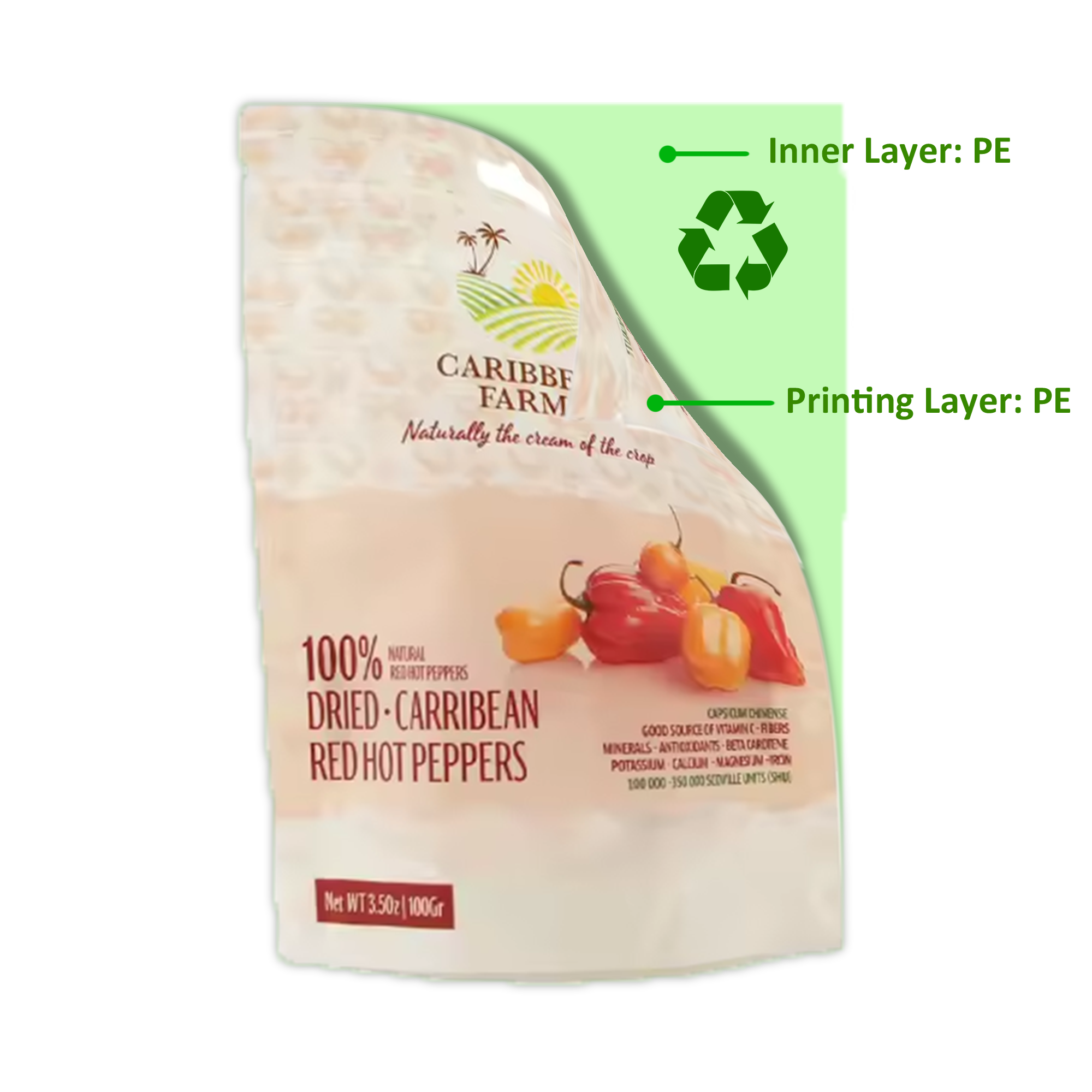
Use multi ‑ layer laminated structures (e.g., MOPP/AL/NY/PE) with high tensile strength to prevent children from tearing the packaging open from non‑opening areas.
Employ high ‑ barrier seals to prevent odor escape that might spark a child's curiosity.
Appeal Design: Striking the Balance Between Safety and Aesthetics
3.1 Visual Appeal – Speaking to Children, and to Parents Too
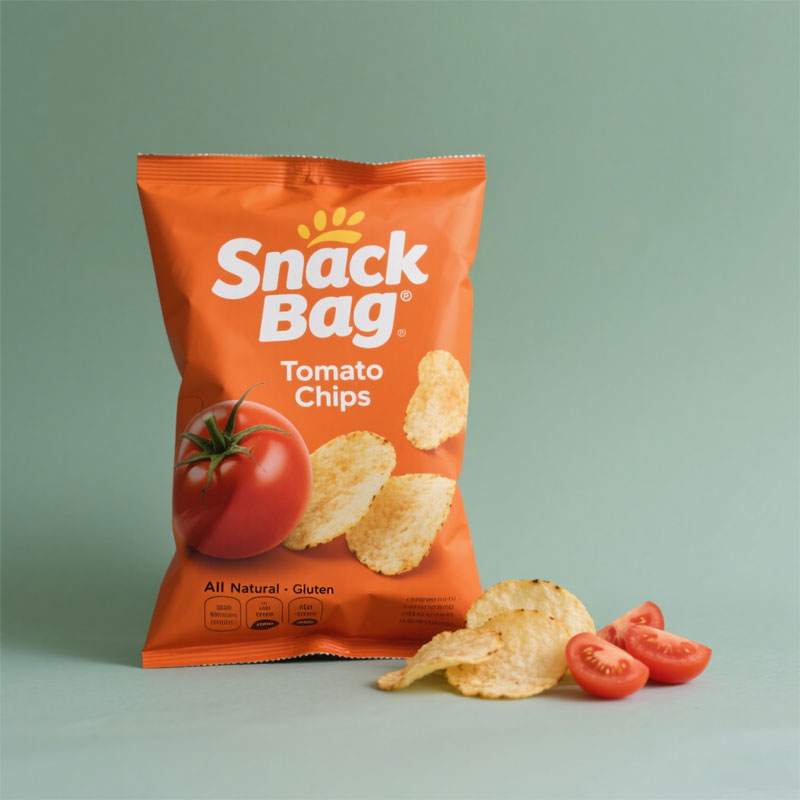
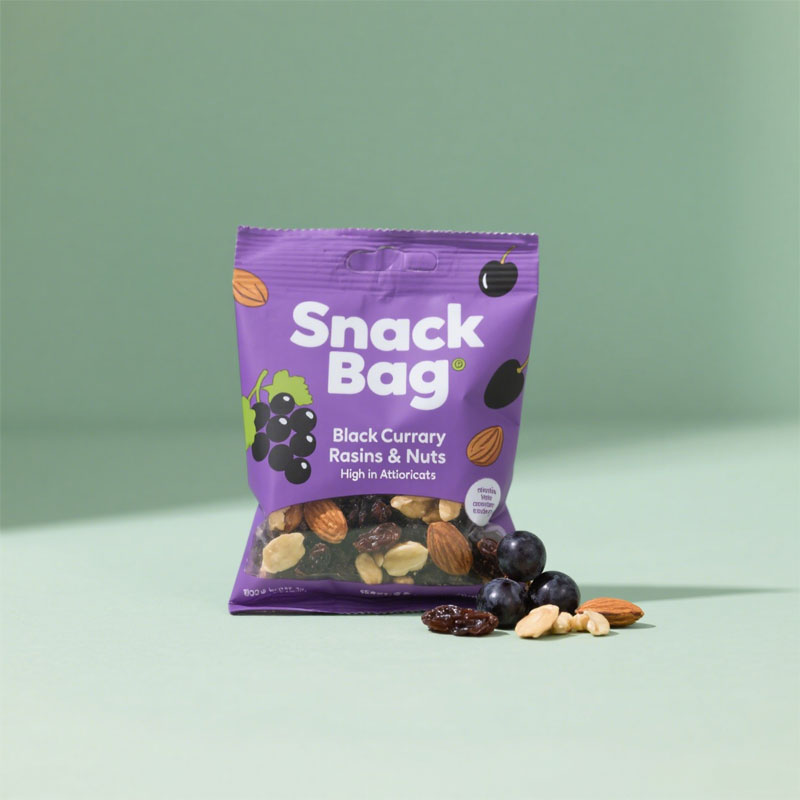
Child‑friendly packaging needs to be visually engaging—without compromising safety. This isn't just about catching a child's eye; it's also about winning over the parents who make the purchasing decision at the shelf.
Design essentials:
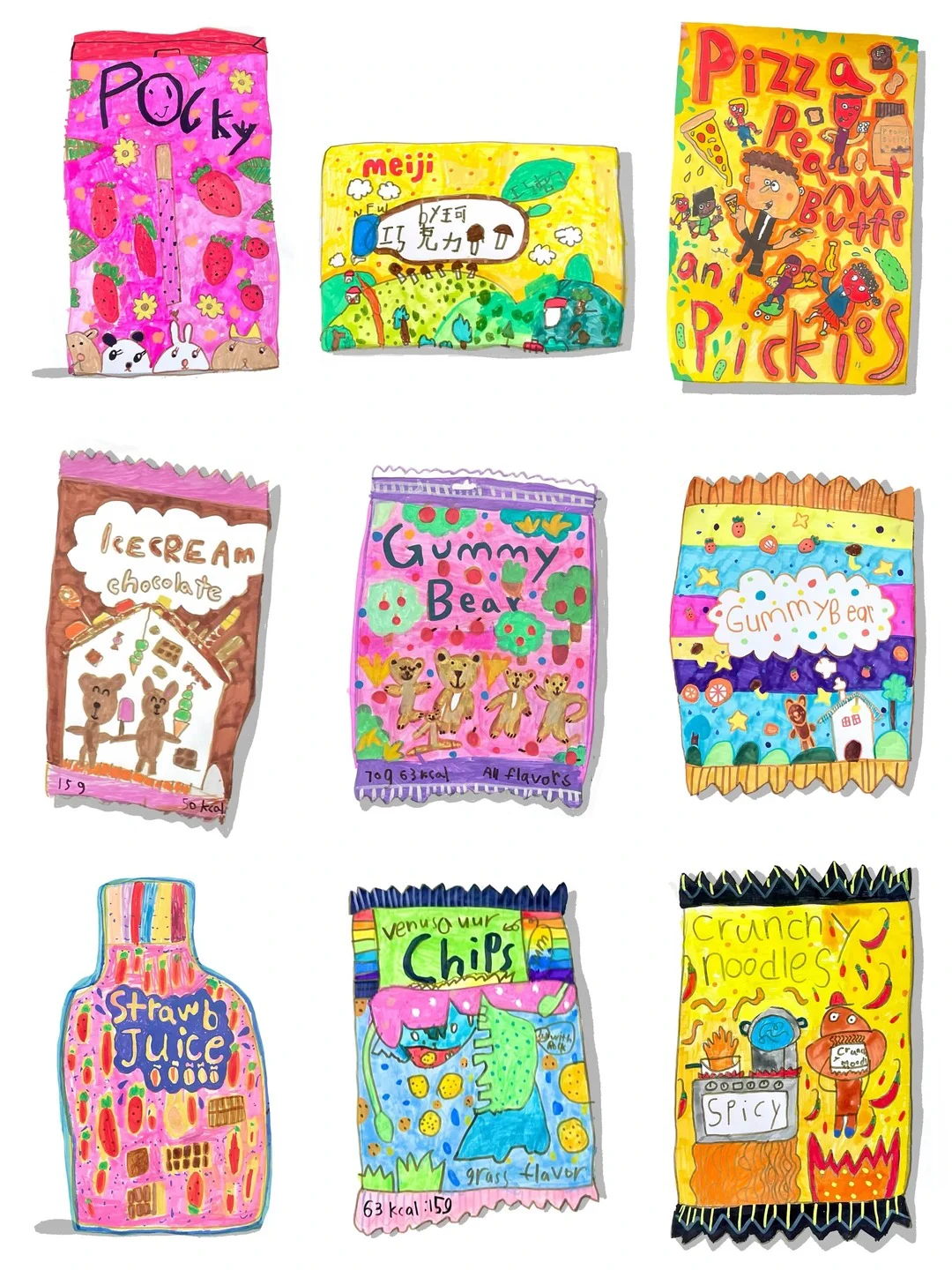
Color: Bright, vibrant hues are the first thing that draws a child's attention. Softer, gentler tones, on the other hand, can convey a brand image of safety and care.
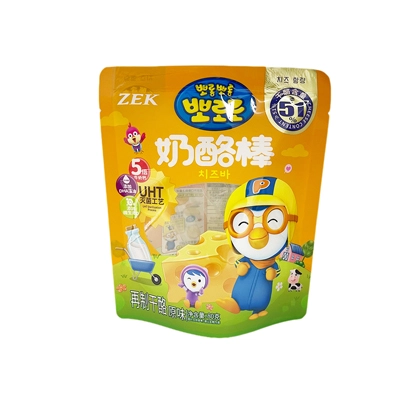
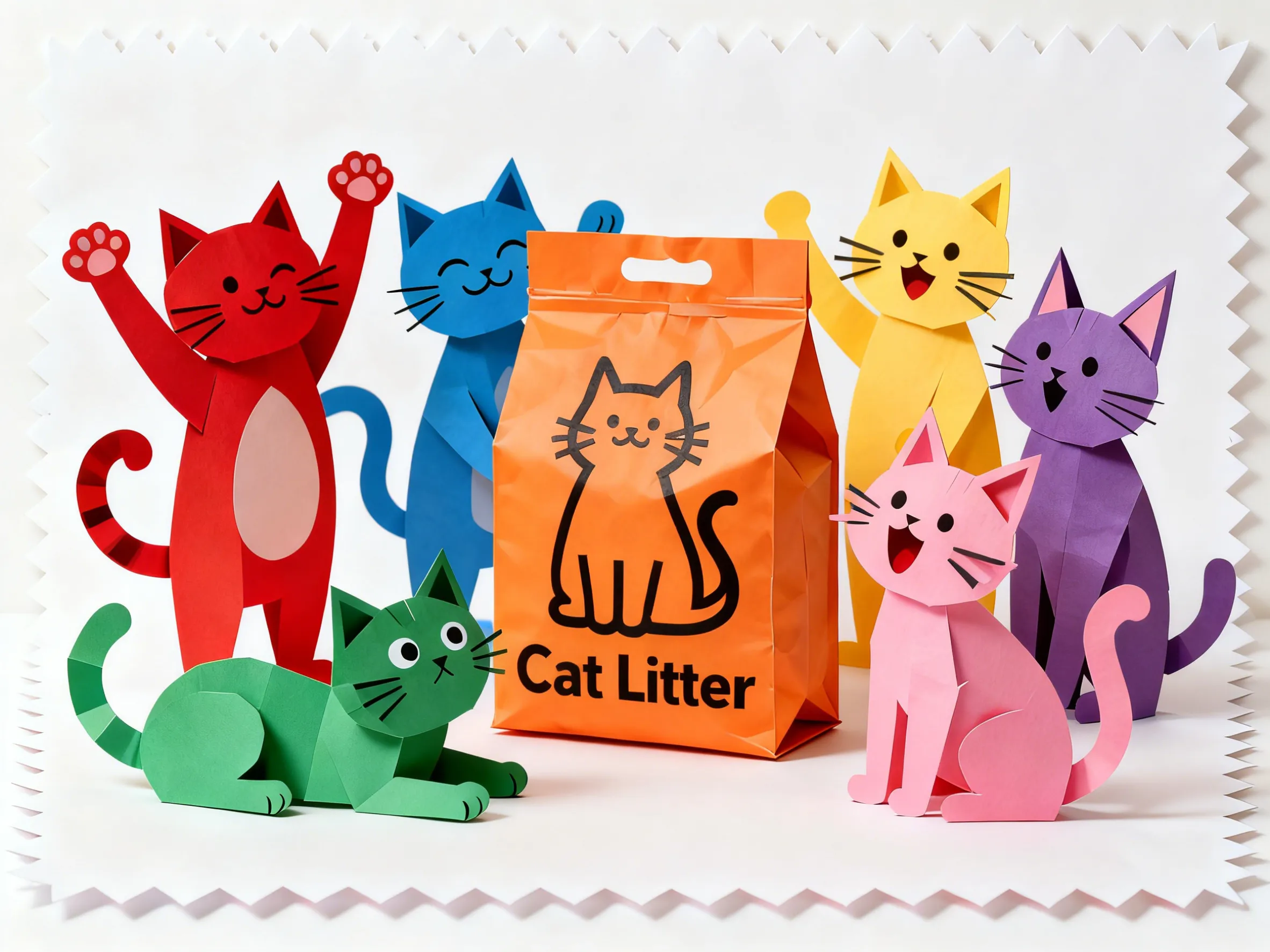
Graphics: Cartoon characters and animal figures spark children's interest. For example, one brand features five playful animal characters on its packaging, strengthening the emotional connection between mother and child.
Psychological safety: Colors and graphics should also be designed with "psychological safety" in mind—avoiding anything that might cause fear or discomfort.
3.2 Interactivity & Playability – When the Package Becomes Part of the Experience
Great child‑friendly packaging turns the package itself into an engaging experience:
Integrate child safety education content into the design—making it fun and educational at the same time.
Add interactive elements, such as puzzles, cut‑out game pieces, or other hands‑on activities.
Nurture children's environmental awareness and aesthetic sense through thoughtful design.
Case in point: One brand has transformed its packaging into a creative toolkit. Children and parents can safely cut out printed shapes and turn the packaging into kitchen utensils—extending the play experience well beyond the product itself.
3.3 Safety vs. Appeal – The Balance That Never Tilts
Attractiveness must never come at the expense of safety:
Safety must always take priority over aesthetic considerations.
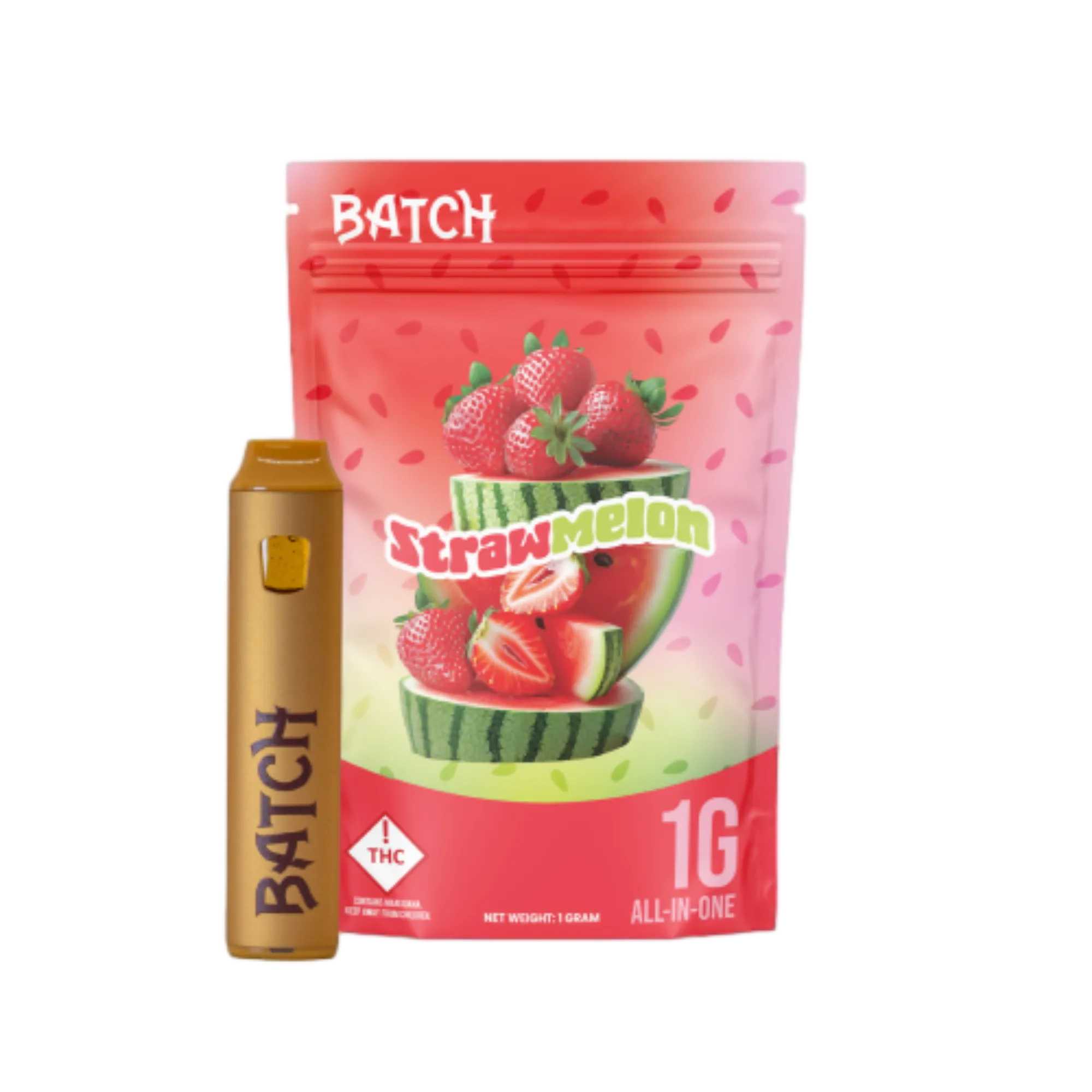
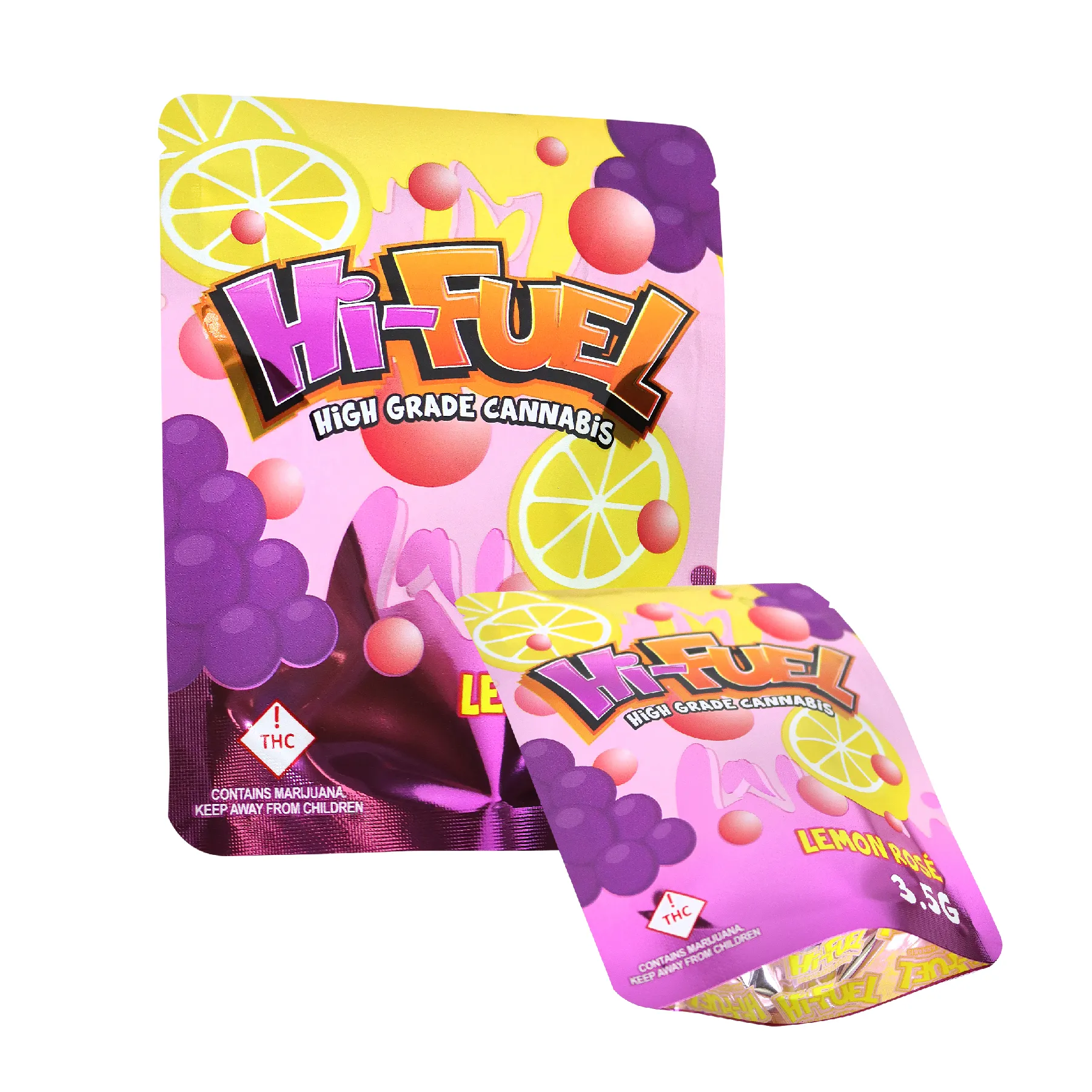
Brightly colored packaging can make children mistake it for "candy"—which is precisely why CR packaging exists.
Many CR regulations require packaging to be 100% opaque, preventing children from seeing the brightly colored contents inside.
Conclusion & Outlook
Designing child‑friendly plastic packaging bags is a systematic endeavor that requires striking a delicate balance across four dimensions: safety, usability, sustainability, and appeal.
The three dimensions in order of priority:
Safety is the baseline – Child‑resistance, suffocation prevention, material safety, and physical safety—every link is indispensable.
Usability is the prerequisite – Keep children out, but let adults in—especially seniors.
Appeal is the differentiator – Great design resonates with both children and parents, but never at the expense of safety.
An unassuming plastic bag can become a safety hazard. As packaging professionals, we carry the responsibility—through thoughtful design and rigorous craftsmanship—to build an invisible line of defense for every family.