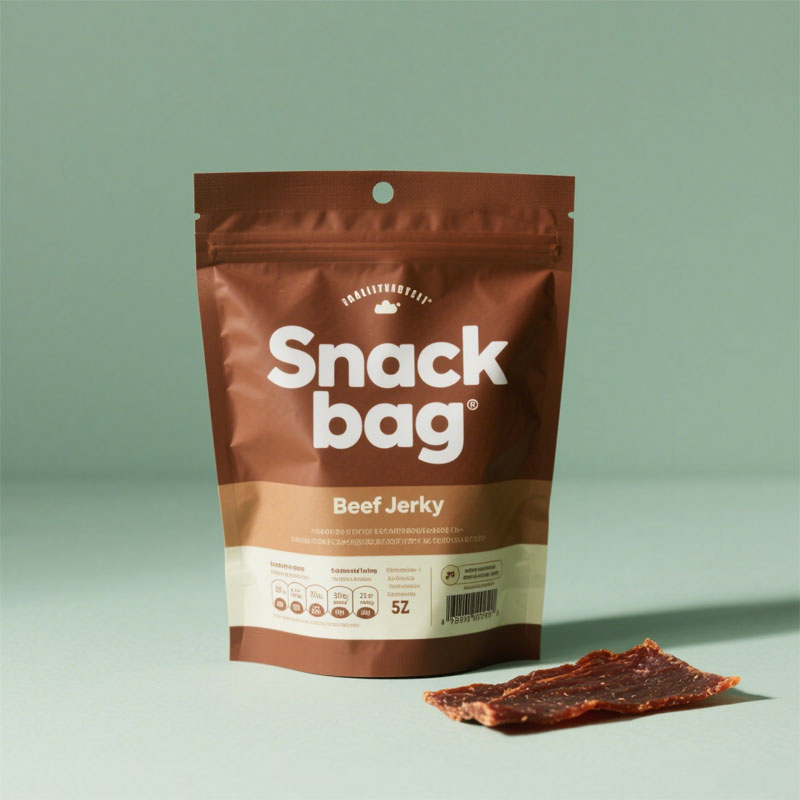
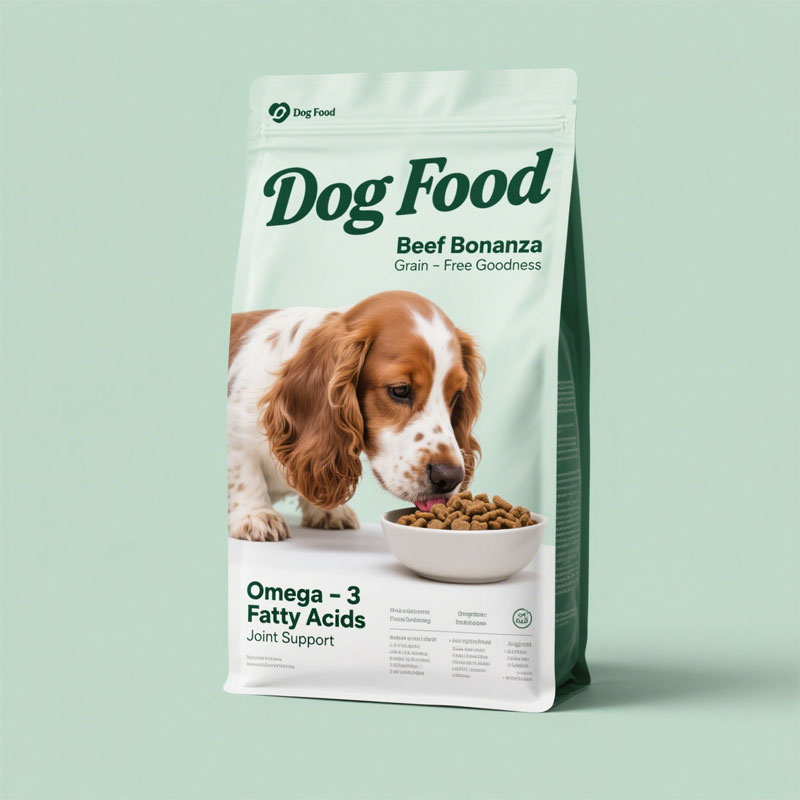
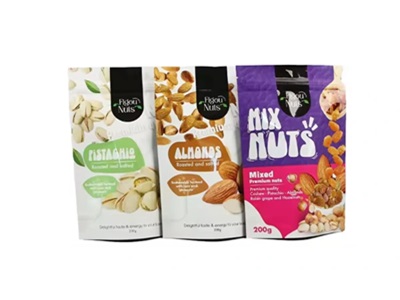
Automatic packaging machines, especially Vertical Form Fill Seal (VFFS) machines, are the core equipment for mass production in the flexible packaging industry, widely used in pet food, snacks, daily chemicals and other fields.
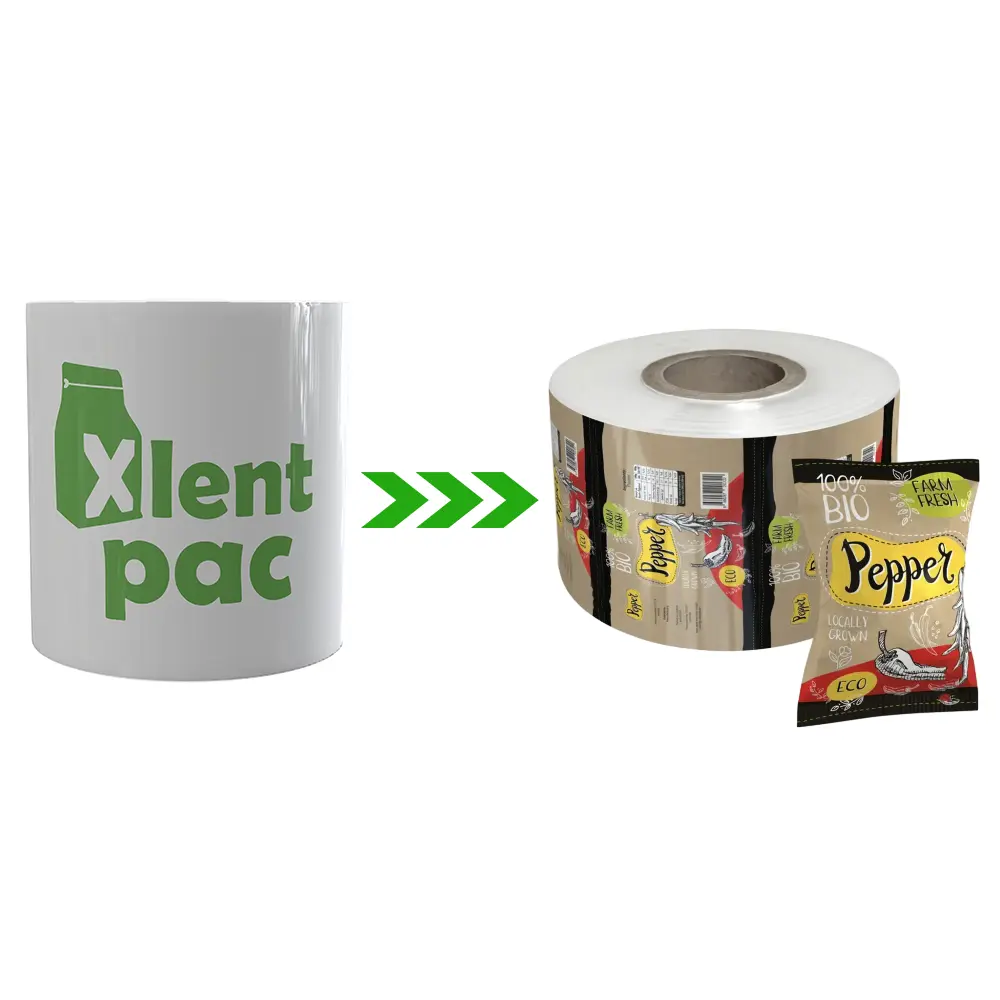
The perfect matching between roll film and automatic packaging machines directly determines production efficiency, product qualification rate and equipment service life.
This blog will explain the key points of roll film and packaging machine matching, providing practical guidance for you.

Basic Specifications of Roll Film
The basic specifications of roll film are hard indicators for matching with packaging machines. Incorrect matching will directly lead to the film failing to be loaded on the machine or abnormal operation. All parameters must be controlled within the allowable error range to ensure smooth production.
Roll Film Width
The width must be fully matched with the machine’s forming tube, heat sealing knife width and unwinding rack limit, with an error controlled within ±0.5mm.
For bag-making packaging machines, the width should adapt to the unfolded size of the finished bag, including the sealing margin.Excessively wide film will cause jamming, while too narrow film will lead to poor sealing and material leakage.
Outer/Inner Diameter of Roll Film
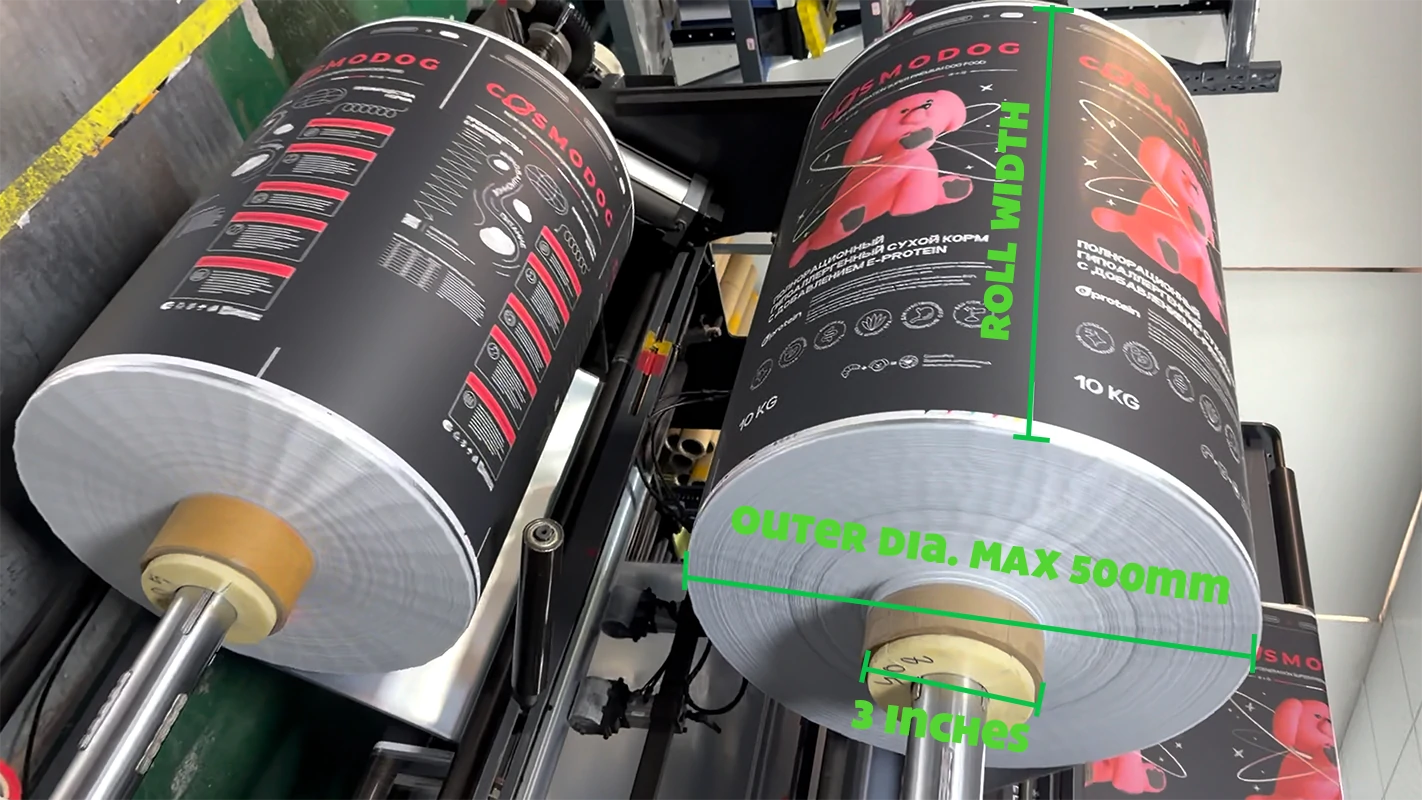
- Outer diameter: It should not exceed the maximum acceptable outer diameter of the machine’s unwinding rack (300-400mm for common models and up to 500mm for large ones). An oversize outer diameter will make feeding impossible and cause unwinding jams.
- Inner diameter: It must be consistent with the machine’s unwinding shaft size, with 76mm (3 inches) as the industry standard. A non-slip paper tube is required to prevent the roll film from idling and slipping during operation.
Thickness of Roll Film
The recommended thickness of the roll film is 60~120μm.
Excessively thick film will be difficult to pull, causing stretching and deformation of the film surface; too thin film is easy to be pinched and broken, and the heat sealing part is prone to being scalded through.
The thickness must match the clamping force of the machine’s traction wheel and the pressure/temperature parameters of the heat sealing knife.
Winding Method of Roll Film
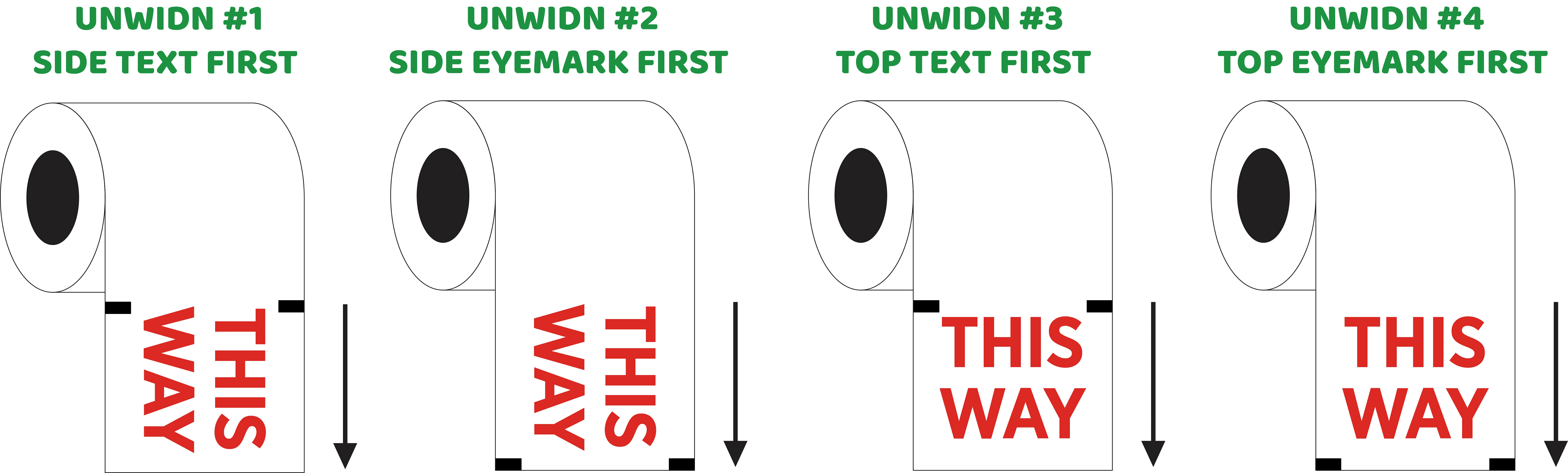
It must match the machine’s unwinding direction, divided into surface winding and inner layer winding (positive roll and reverse roll).
If the direction is reversed, the film surface will flip after loading, resulting in inverted printing patterns and incorrect lamination of composite layers—for example, the inner heat-sealing layer faces outward, making sealing impossible.

Physical Properties of Roll Film
The physical properties of the roll film affect the smoothness of film running and the quality of finished products. It is necessary to select the appropriate roll film according to the machine’s operating characteristics and process requirements, and focus on the following four key indicators.
Stiffness and Flexibility
Proper stiffness and flexibility ensure the film runs stably through the forming tube and guide rollers.
Low stiffness will cause the film to sag and deviate, and even wrinkle when passing through key components, leading to skewed bag making.
Poor flexibility will make brittle materials crack during traction and bending, so it is recommended to use ceramic guide rollers with good smoothness for the machine.
Coefficient of Friction (COF)
The friction coefficient of the film’s outer surface (contact with guide rollers) should be moderate (0.2-0.4).
A too high coefficient will increase film running resistance and cause stretching deformation; a too low coefficient will lead to film slipping and uneven running speed, resulting in deviation of finished bag length.
The friction coefficient of the heat-sealing layer (inner layer) of composite film must be stable to avoid film displacement during sealing.
Heat Sealing Strength
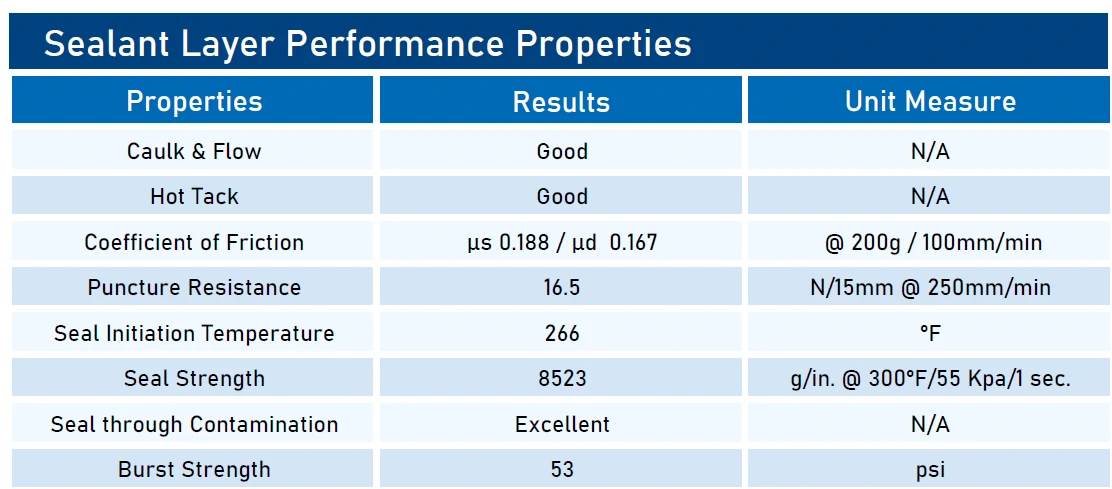
The heat-sealing layer material of the roll film (such as LDPE) must adapt to the machine’s heat sealing method (flat knife heat sealing, roller heat sealing) and temperature range (120~180℃ for VFFS machines).
Low heat sealing temperature will cause loose sealing and liquid/gas leakage; excessively high temperature will lead to excessive melting of the heat-sealing layer, sticking to the knife, wrinkling of the film surface and even damage to the composite layer.
At the same time, the heat sealing strength should match the machine’s traction speed to prevent the sealing from being torn by traction force.
Elongation and Resilience
The longitudinal elongation of the roll film should be ≤10% to match the machine’s traction speed. Excessive resilience will cause the film surface to retract after traction, resulting in shrinkage of finished bag size and offset of printing patterns.
For laminated films, it is critical to ensure the same elongation of each layer to avoid delamination and wrinkling.
What is VFFS machine?

VFFS is a fully automatic machine that uses a roll of plastic packaging film to form bags, fill products, seal and cut the film all in one go on a single unit. Film feeding and bag forming are both done in a vertical orientation, which is why it’s named Vertical Form Fill Seal (VFFS).
Working Process (3 Steps)
Form: The roll film is unwound from the top and passed through a former (lapel type/triangle plate type), which shapes the flat film into a cylindrical or bag-like structure.
Fill: Materials (granules, powder, liquid, sauce, cat food, etc.) are directly poured into the newly formed film tube through a central feeding pipe.
Seal: First, a vertical back seal is made to bond the two edges of the film tube together and form a sealed cylinder. Then, horizontal seals are applied to the top and bottom of the cylinder, with cutting completed simultaneously with the sealing process.
How to Select Roll Film Material?
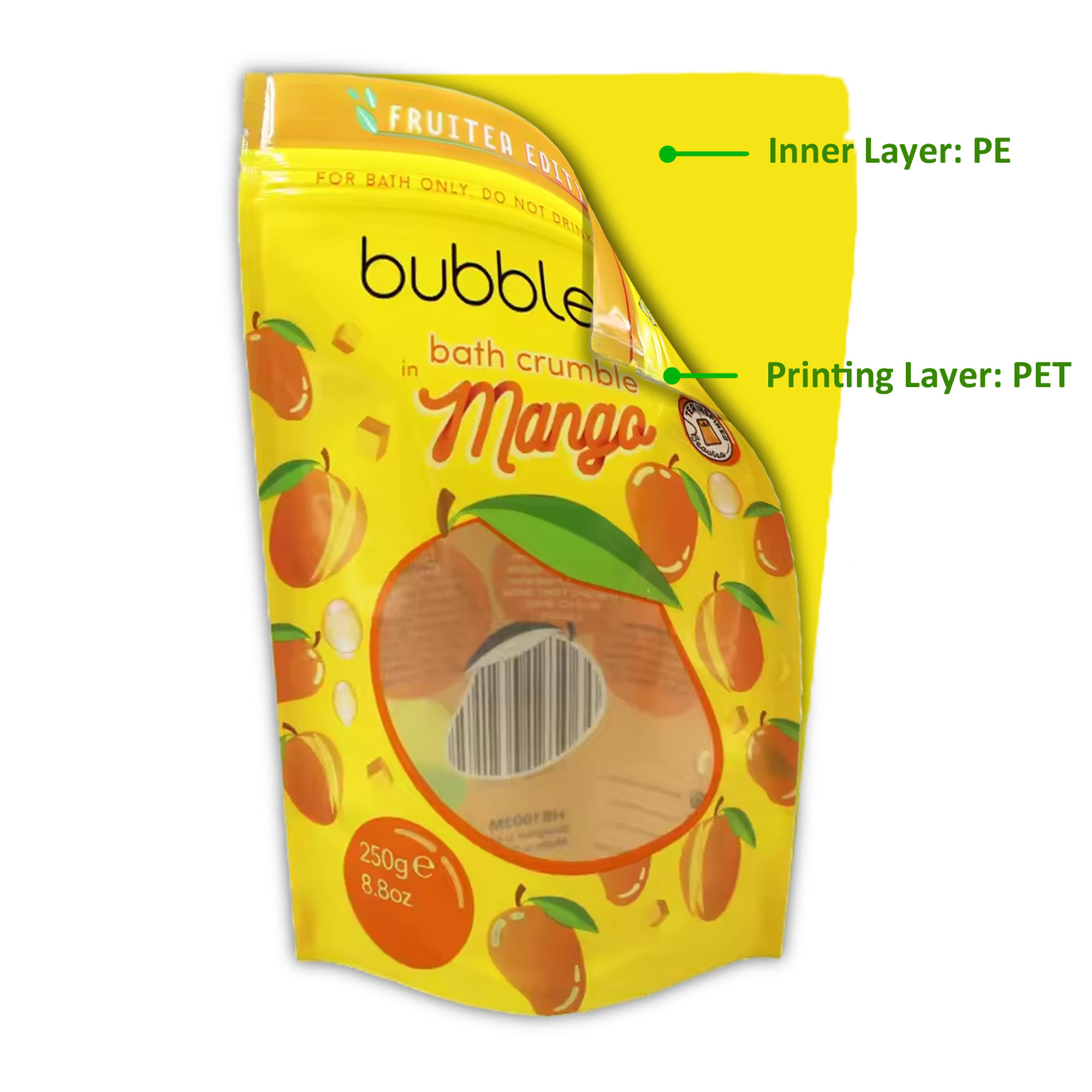
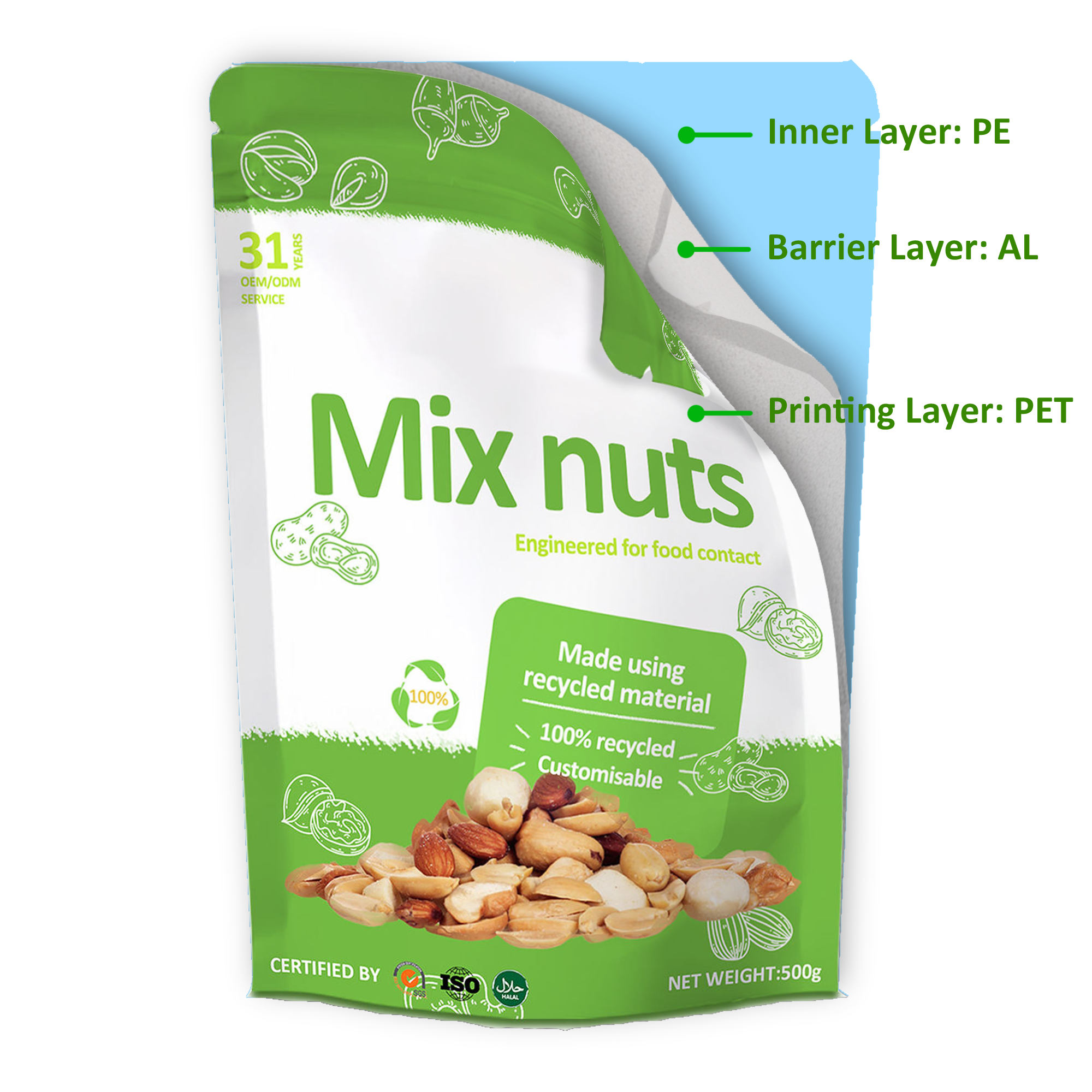
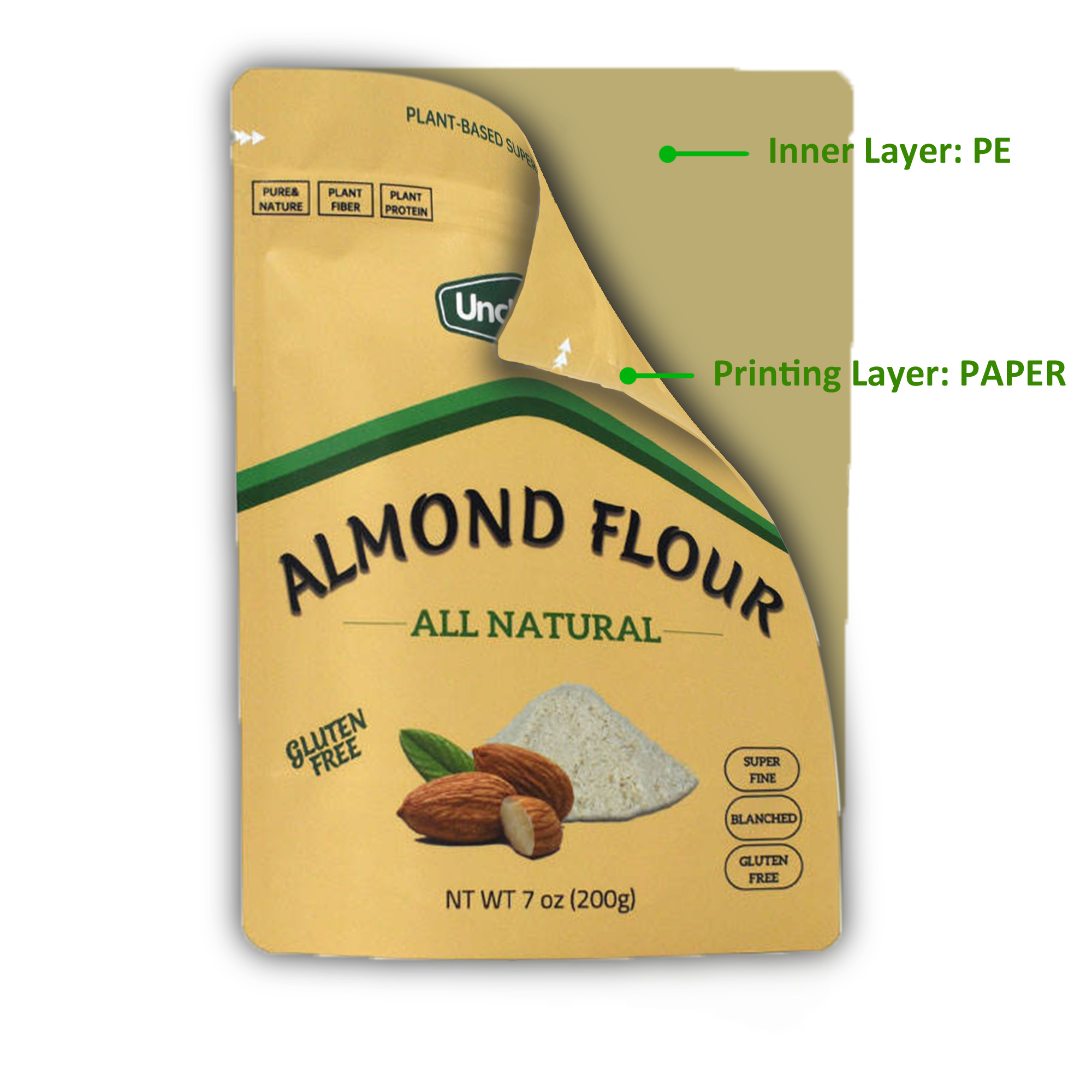
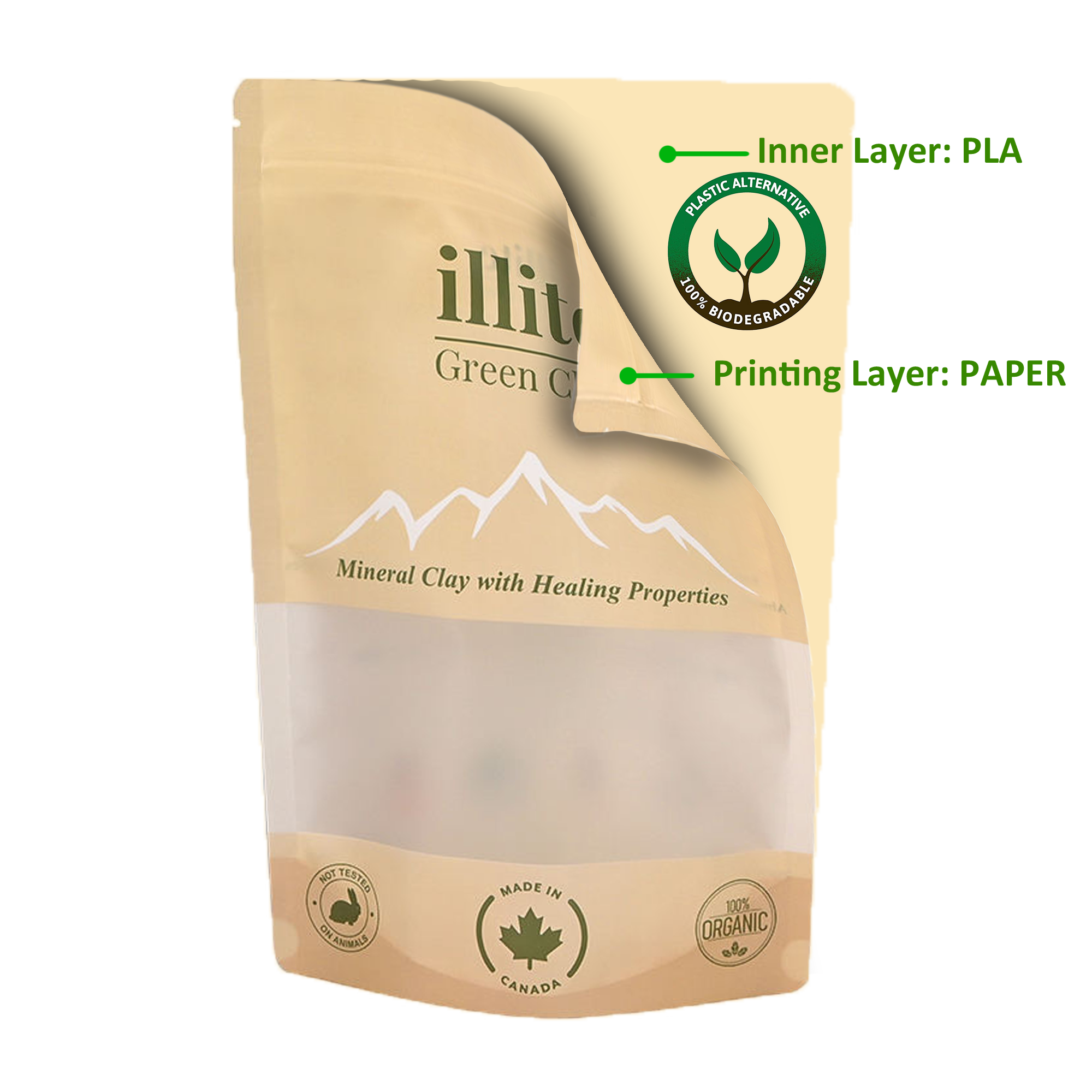
VFFS machines have strict requirements for roll film materials. The roll film must adopt a three-layer composite structure: outer layer (for printing and stiffness), middle layer (for barrier and toughness) and inner layer (exclusive heat-sealing layer).
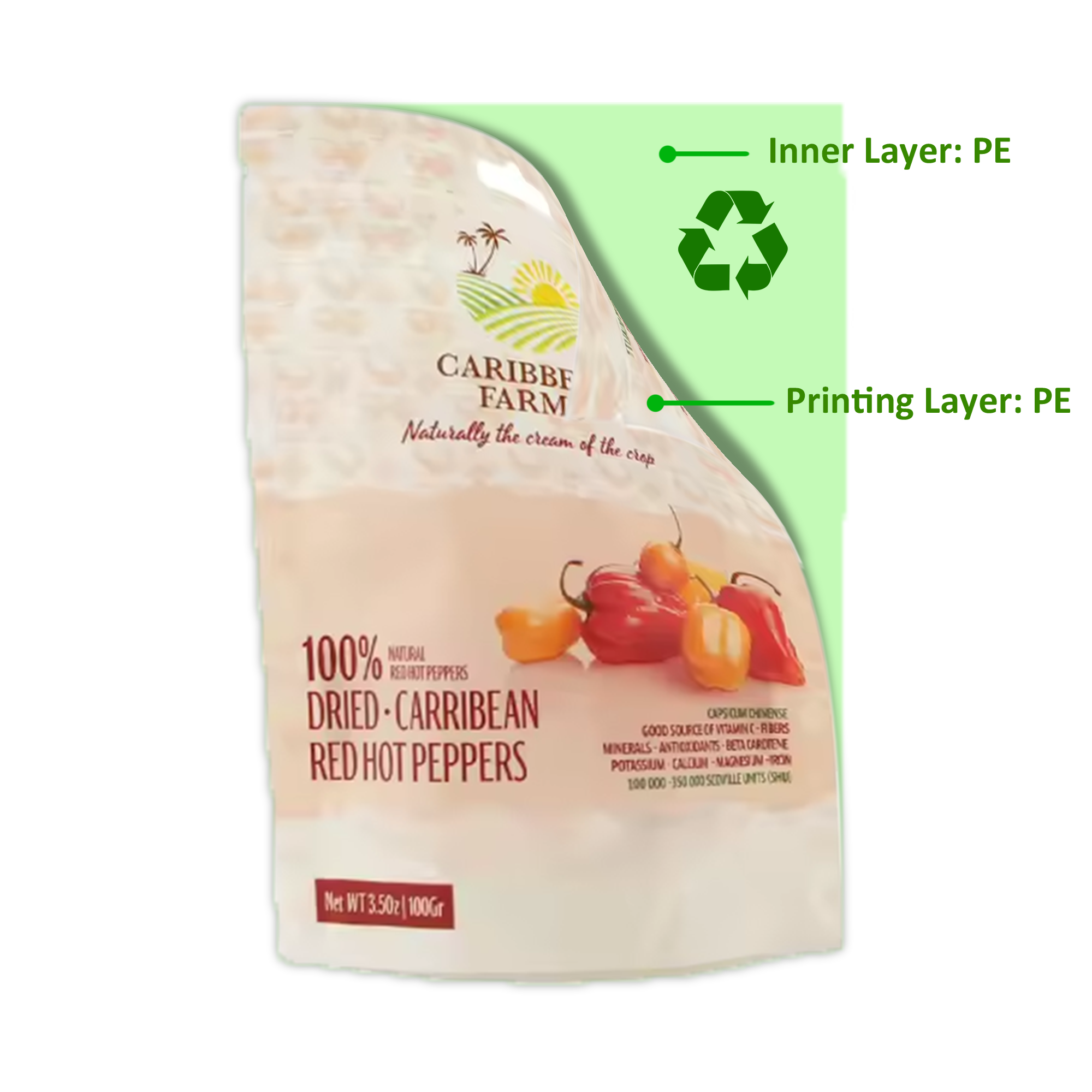
The inner heat-sealing layer must be PE (LDPE/LLDPE), as PET and CPP cannot adapt to the heat sealing parameters of VFFS machines—PET cannot be heat-sealed, and CPP is prone to sticking to the knife due to its high heat sealing temperature.
The laminated strength of the roll film should be ≥1.5N/15mm to prevent delamination during traction. Here are four material solutions for different application scenarios:
Structure: 12μm PET (outer layer) + 40~80μm LDPE (inner layer), total thickness 52~92μm.
It is the most cost-effective option, with smooth film running, stable heat sealing and clear printing on the PET outer layer, which is suitable for cursor recognition.
It is mainly used for back-sealed bags and three-side sealed bags, such as pet food trial packs and small regular packages. The only disadvantage is general barrier performance, which only provides basic moisture resistance and no oxygen barrier.
Structure: 12μm PET (outer layer) + 12μm VMPET (middle layer) + 50~90μm LDPE (inner layer), total thickness 74~114μm.
The aluminum-plated layer doubles the barrier performance, achieving moisture, light and oxygen resistance, effectively preventing food oxidation and deterioration.
Its cost is 30% lower than aluminum foil film, making it the first choice for large pet food packages such as stand-up pouches.
PET/AL/PE (High-End Choice)
Structure: 12μm PET (outer layer) + 7~9μm aluminum foil (middle layer) + 60~100μm LDPE (inner layer), total thickness 79~121μm.
It has top-level barrier performance, completely blocking oxygen, moisture and light, and can extend the product shelf life by 6~12 months.
It is suitable for vacuum/inflatable packaging and high-end gift boxes, but has the disadvantages of high cost and opacity.
PET/PA/PE (Special Choice)
Structure: 12μm PET (outer layer) + 15μm PA nylon (middle layer) + 50~80μm LDPE (inner layer), total thickness 77~107μm.
The PA nylon layer has high toughness and puncture resistance, which can prevent hard particles such as freeze-dried pet food from piercing the bag.
It also has good stretch and drop resistance, suitable for pet snack packaging with hard ingredients.
How to put Cursor correctly?
The cursor (also known as positioning cursor) is a key printing mark for the automatic packaging machine to achieve precise positioning and synchronous tracking. Its core design principle is high contrast, high precision and high consistency, which directly affects the accuracy of bag making and cutting.
Core Characteristics of Cursors
- High contrast: The cursor must form a strong contrast with the film’s background color—print white/silver cursors on dark film and black cursors on light film.
- Shape and size: Common shapes are rectangles and squares, with a size of 5-10mm, which is determined according to the machine’s resolution and detection distance.
- Position accuracy: The relative position between the cursor and the cutting position (such as easy-tear line, sealing edge) must be accurate to ±0.1mm.
- Repeatability: The position, shape and color of cursors on the same batch of roll film must be completely consistent to avoid machine recognition confusion.
Cursor Design Principles
Cursors should be printed on the non-content area between bags, such as the back sealing edge, easy-tear line or transverse sealing gap, to avoid blocking product information and patterns.
At the same time, they should be kept away from printed text and graphics to prevent misjudgment by the photoelectric sensor. For back-sealed bags, the best position for cursors is the 5~10mm back sealing edge, which does not affect the front printing effect and is easy for the sensor to identify.
How Machines Recognize Cursors
The machine’s cursor recognition is a process of capturing, processing and feeding back cursor signals by the photoelectric sensor, with five key steps:
The sensor emits light (infrared or visible light) to the film surface;
When there is no cursor, the sensor receives the background reflected light; when the cursor is passing, the light intensity changes sharply due to the different color/material of the cursor;
The sensor converts the light intensity change into electrical signals (voltage/current);
The signal processing unit analyzes the electrical signals and identifies the cursor signal characteristics;
The control system synchronously controls the actions of the forming tube, heat sealing knife and cutting knife according to the cursor signals to ensure the precise size of each finished bag.
Key Notes for Cursor Application
Ensure uniform ink thickness during cursor printing to avoid bottom exposure and agglomeration. The composite film surface must be flat to prevent the sensor from failing to recognize the cursor due to wrinkling.
Adjust the sensor sensitivity according to the machine’s running speed—high sensitivity is easy to cause misjudgment, while low sensitivity will lead to missed detection. Regularly clean the sensor lens and calibrate the threshold to maintain recognition accuracy.
What bag types can VFFS Machines make?
VFFS machines can produce a variety of common bag types by matching with different roll films and forming devices, which are divided into standard general bag types and customized special-shaped bag types, suitable for different production needs and product positioning.
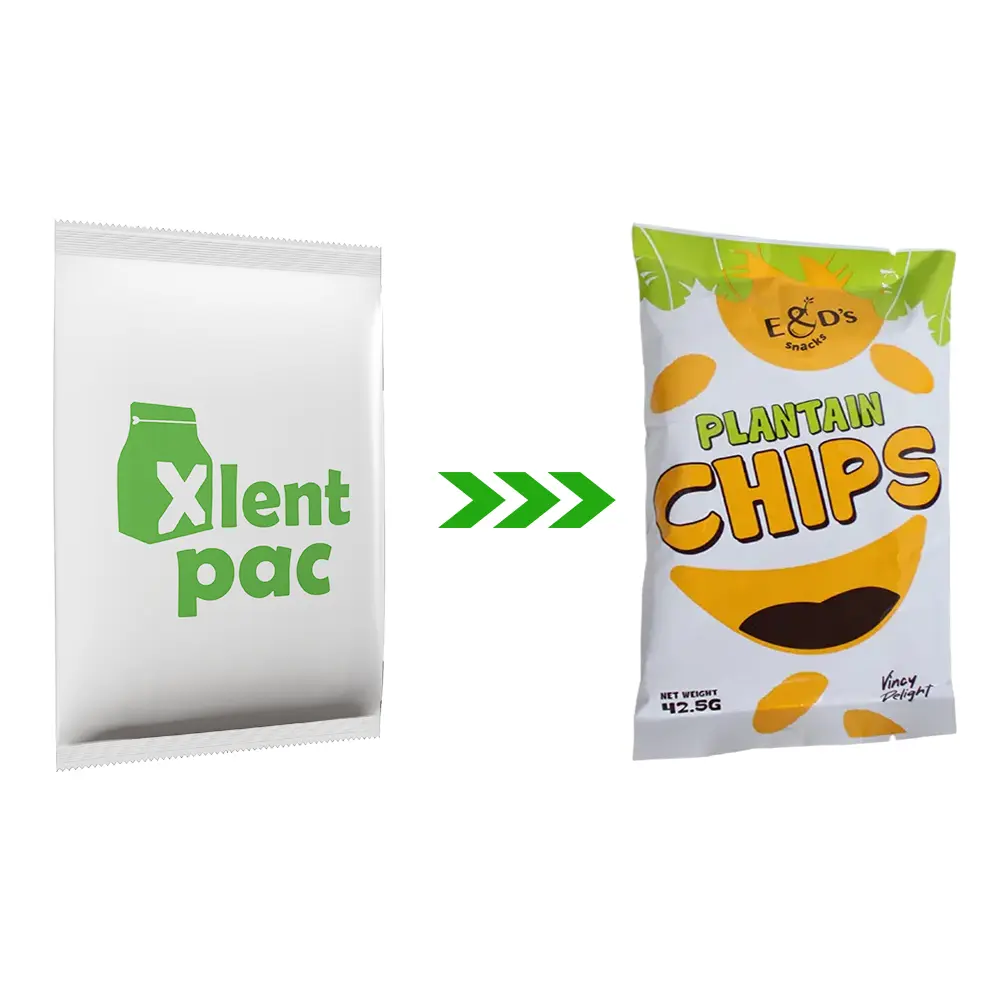
It is the most common bag type for pet food trial packs, with the structure of folding the roll film longitudinally and sealing a longitudinal edge on the back, then transversely sealing and cutting.
It is suitable for basic VFFS machines, with the roll film requirement of a single flat film and a reserved 5~10mm back sealing edge. Its advantages are high speed (30~150 bags per minute), material saving and low cost, but it has no self-standing performance and can only be placed flat.
The recommended roll film material is PET/PE with a thickness of 60~80μm.
Fold the roll film and seal the left, right and bottom sides, fill the material from the top opening and then seal the top.
It has a complete printing display surface and firm sealing, suitable for small regular pet food packages.
The roll film requires high flatness, and cursors are printed on the side sealing edge or transverse sealing gap. PET/PE or PET/VMPET/PE with a thickness of 70~90μm is recommended.
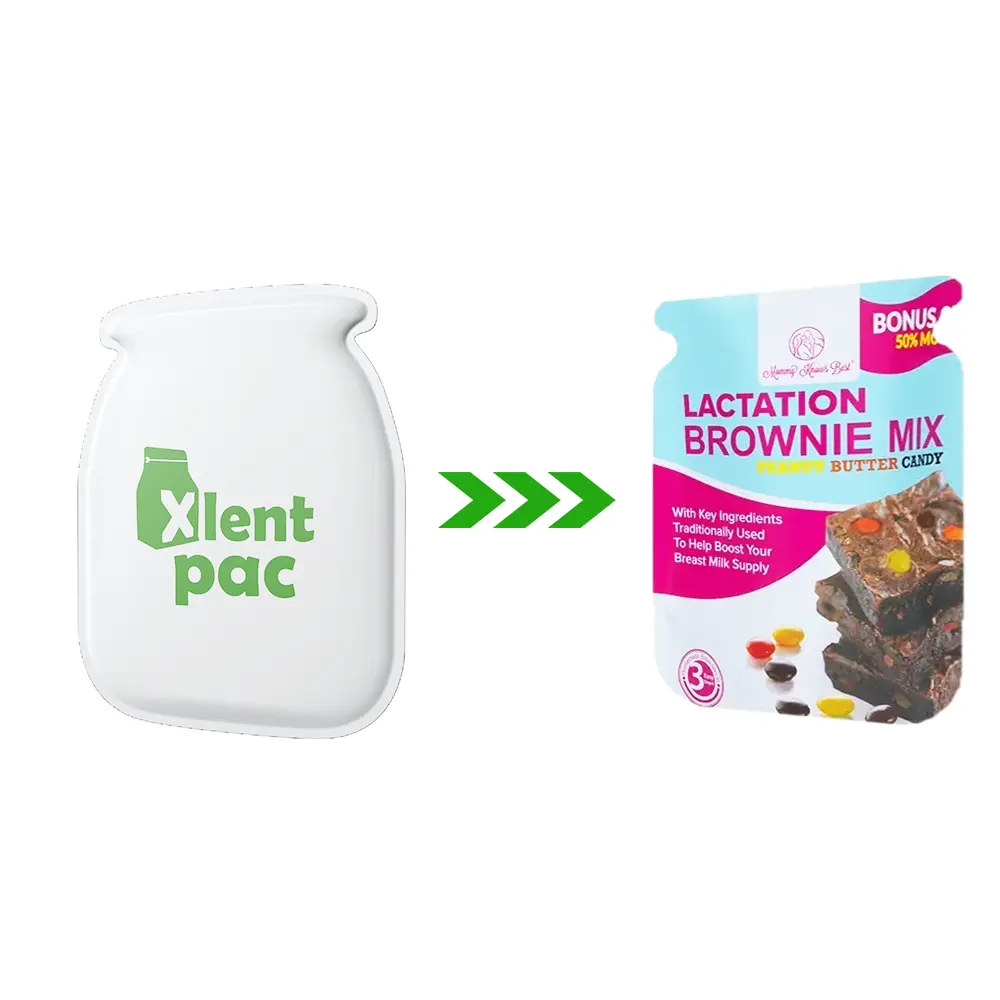
Including round, oval, cartoon and portable shapes, formed by customized sealing and cutting molds. It has a strong visual differentiation effect, suitable for high-end pet gift boxes and holiday packaging.
The roll film needs to be customized according to the mold size, and the cursor should adapt to the special-shaped contour with the cooperation of die-cutting process.
The disadvantage is high mold customization cost and low production speed, not suitable for mass production.
Connected Multi-Linked Bag
Multiple small bags are formed together and separated by easy-tear lines, suitable for pet food trial combination packs. It needs a wide roll film and a special VFFS machine for multi-linked bags, with multiple groups of cursors for synchronous positioning and reserved easy-tear line positions on the roll film.
Conclusion
To ensure the perfect matching between roll film and automatic packaging machines, practitioners must abide by three core principles, which are the key to reducing production failure and improving efficiency.
Hard indicators first, then soft parameters: First match the hard size indicators such as roll film width, inner/outer diameter and thickness, then adjust the soft parameters such as unwinding tension, heat sealing temperature and traction wheel pressure according to the trial run effect;
Trial run verification: Before mass production of new roll film, conduct a small batch trial run (50-100 bags) to check the film running smoothness, finished bag size, sealing quality and appearance, and start mass production only after passing the test;
Batch consistency: The thickness, stiffness, friction coefficient and cursor position of the same batch of roll film must be uniform to avoid frequent machine parameter adjustment caused by internal batch deviation and reduce production efficiency.
Talk to Our Packaging Experts
At Xlentpac, we understand that innovative packaging is the only way to make your brand stand out.
Our team of experts is here to guide you through every step of the process, from design to delivery, ensuring your cannabis packaging bag is not just protection for your products, but a powerful marketing tool that communicates your brand's unique story.
Whether you're looking for sustainable solutions, cost-effective designs, or custom packaging that aligns with your brand's identity, we're ready to speak with you about your specific needs and how we can help you achieve your goals.
Contact us today to discuss your compliance needs or request supporting documentation.