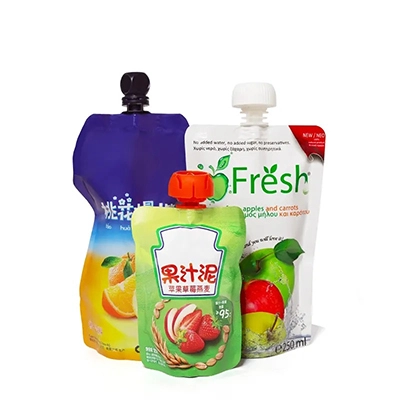
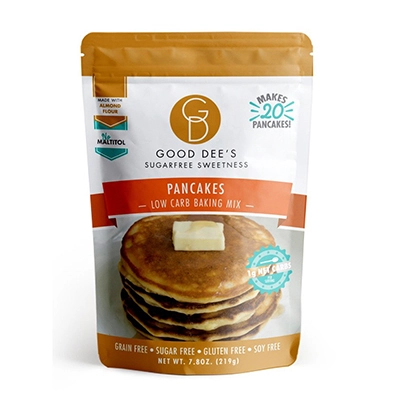
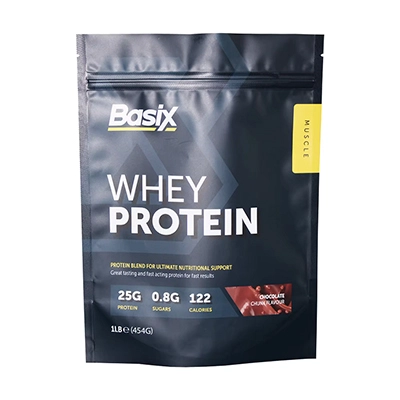
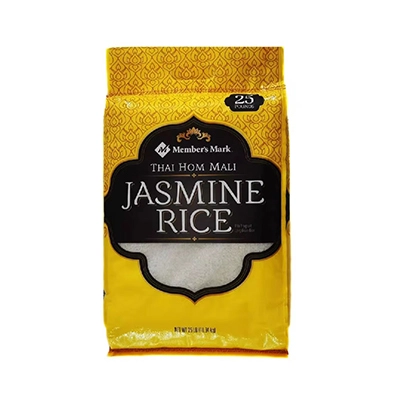
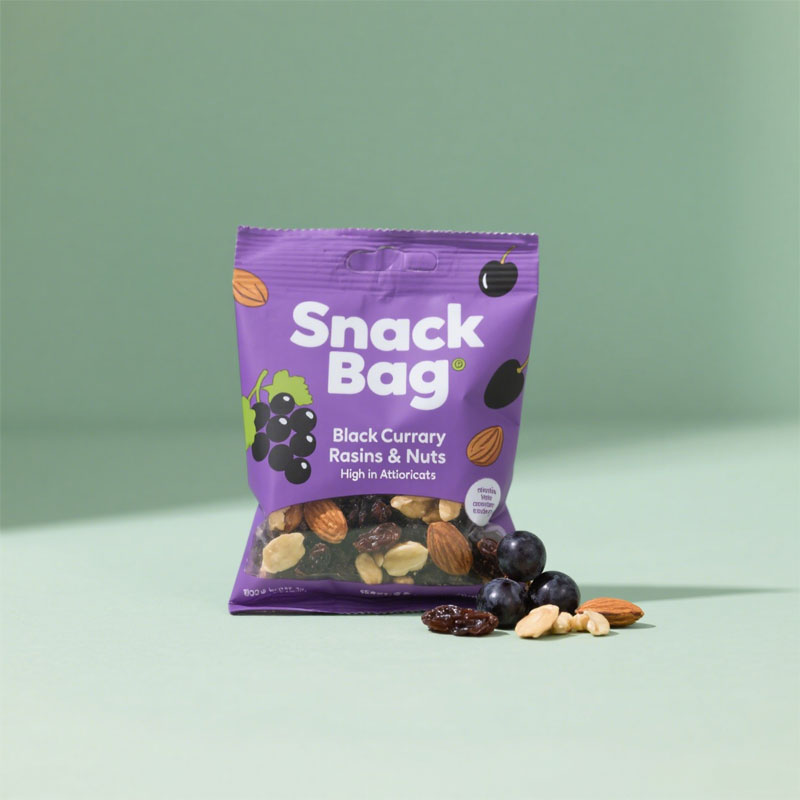
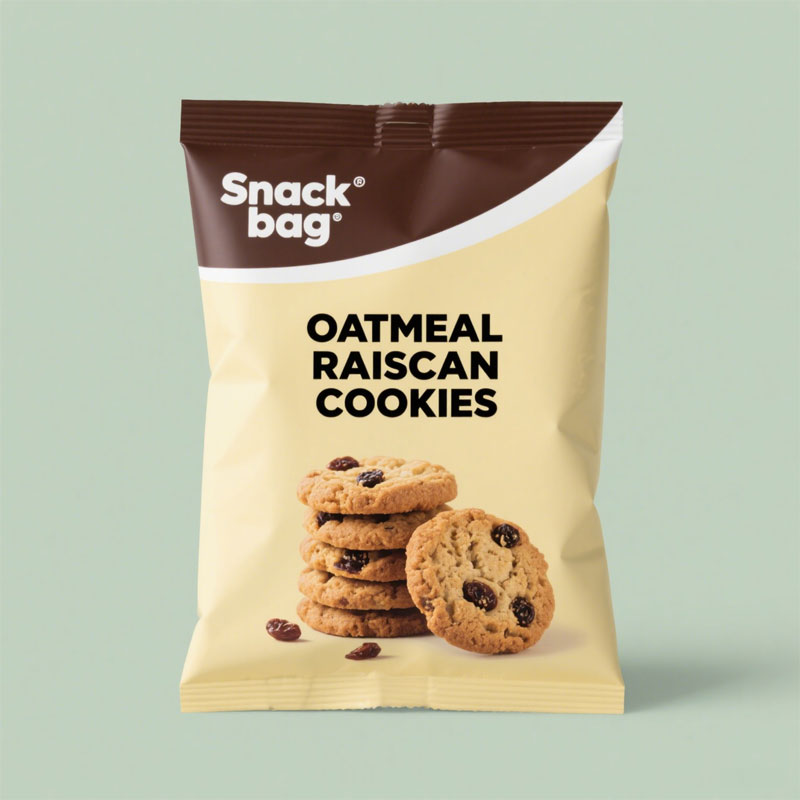
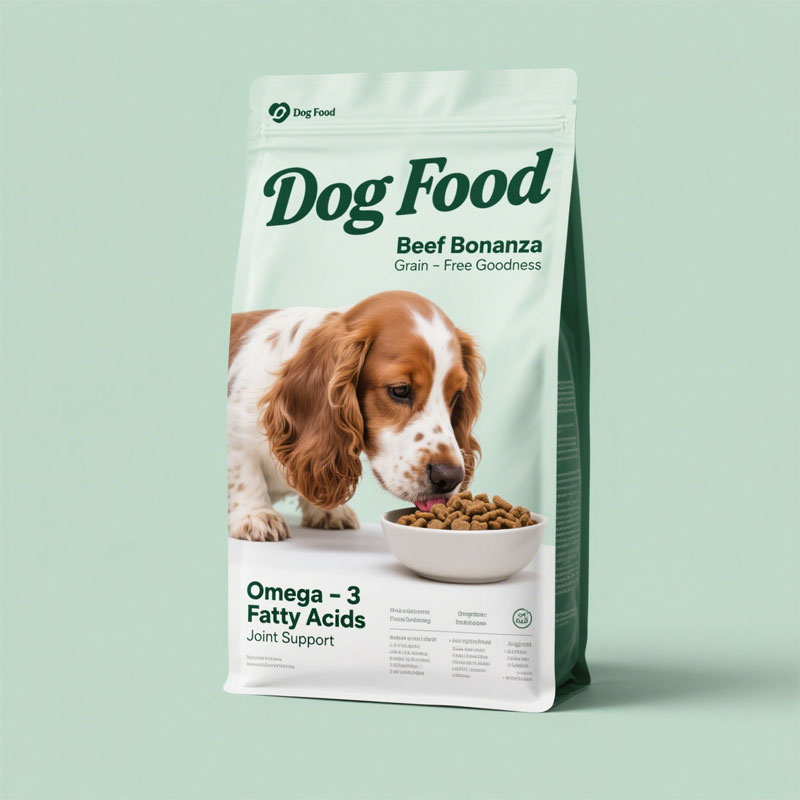
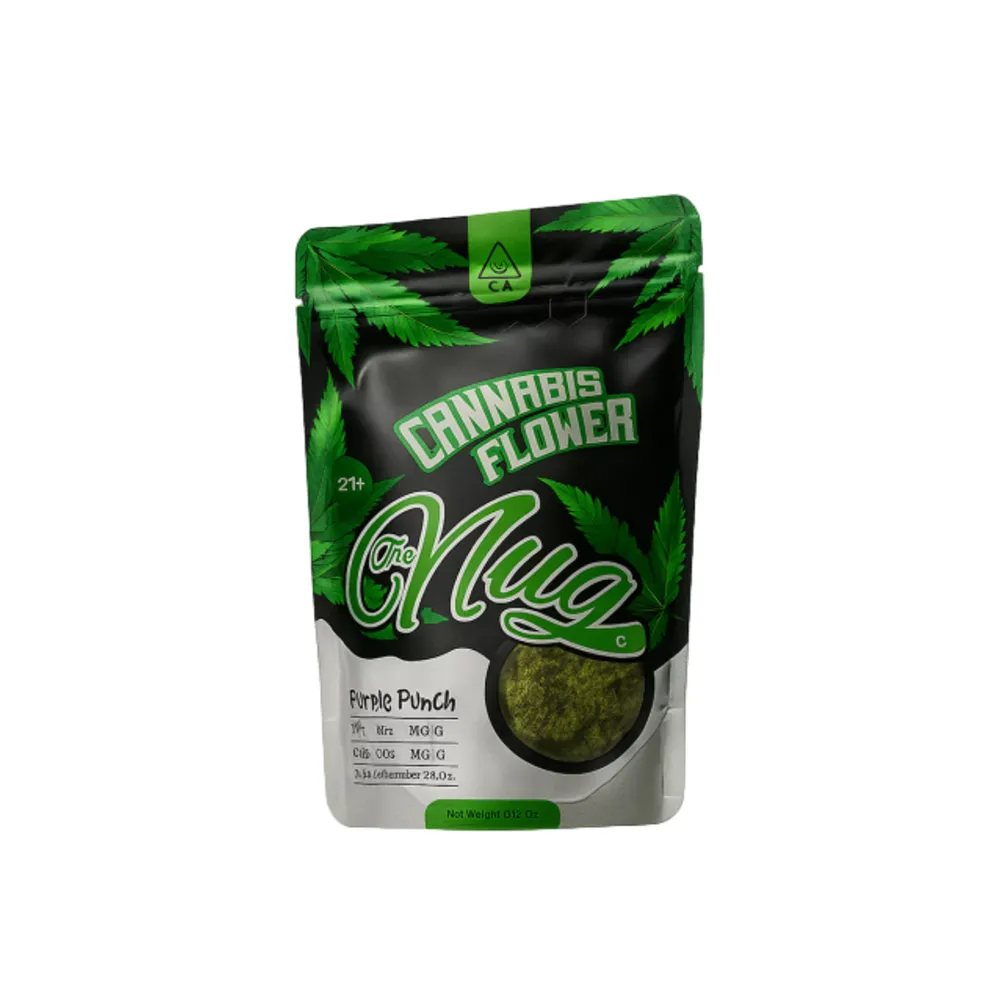
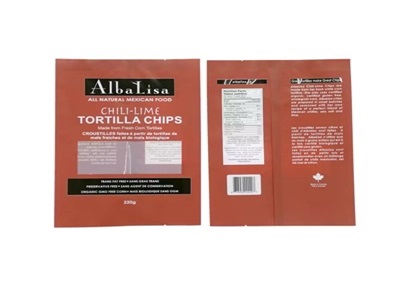
As the demand for eco-friendly packaging grows, companies are seeking sustainable alternatives to traditional packaging materials. One innovative solution gaining popularity in the packaging industry is laminated plastic polythene bags. These bags are increasingly used across various sectors, thanks to their durability, protective properties, and adaptability to eco-conscious initiatives. Laminated plastic polythene packaging plays a vital role in improving product preservation while contributing to more sustainable packaging practices.
Laminated Plastic Polythene Bags and Their Role in Reducing Waste
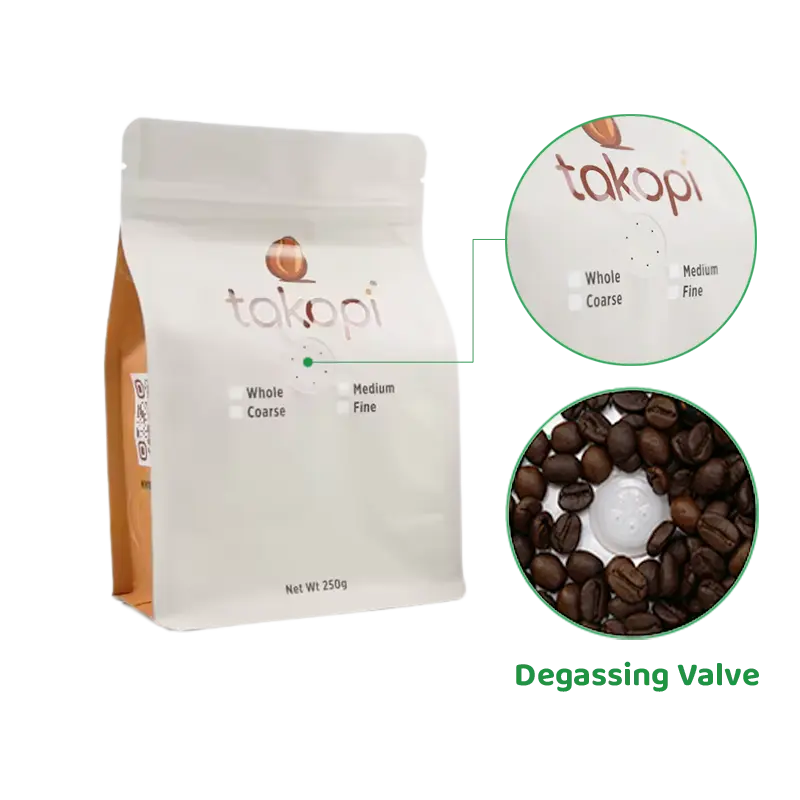
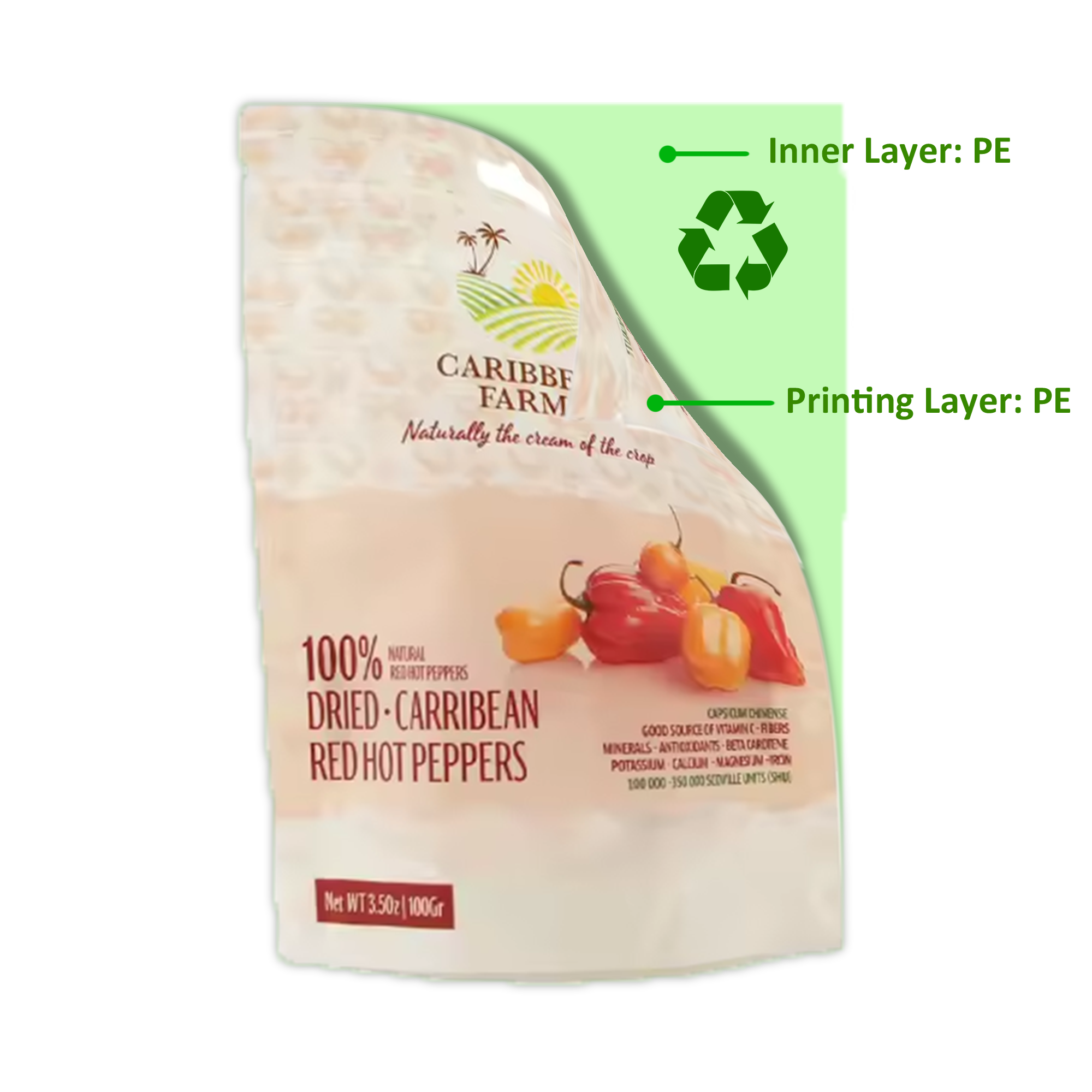
One of the most significant contributions of laminated plastic polythene bags to sustainable packaging is their ability to reduce waste. Traditional single-use packaging materials, such as paper and non-laminated plastics, often deteriorate quickly or become damaged in harsh environments, leading to product spoilage and waste. However, laminated plastic polythene bags are designed to offer superior protection against moisture, contaminants, and physical damage. This enhanced durability extends the life of products, reducing the need for frequent repurchases and, by extension, minimizing the frequency of packaging waste. Furthermore, these bags can be made with recyclable materials, promoting a circular economy and contributing to long-term sustainability goals.
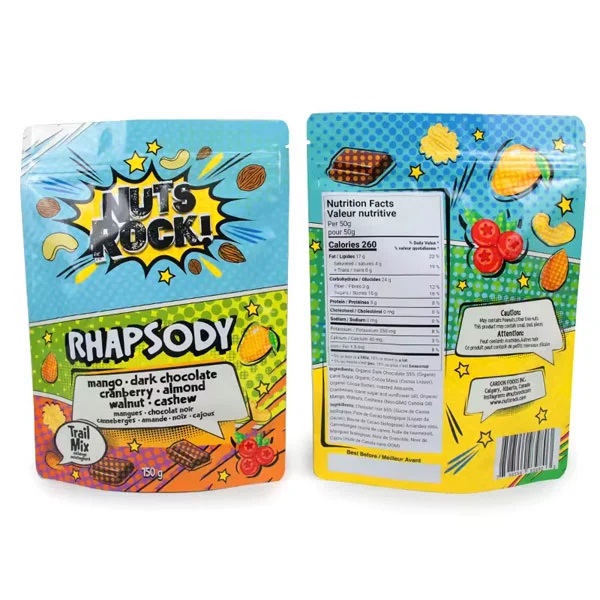
The Durability and Reusability of Laminated Plastic Polythene Bags
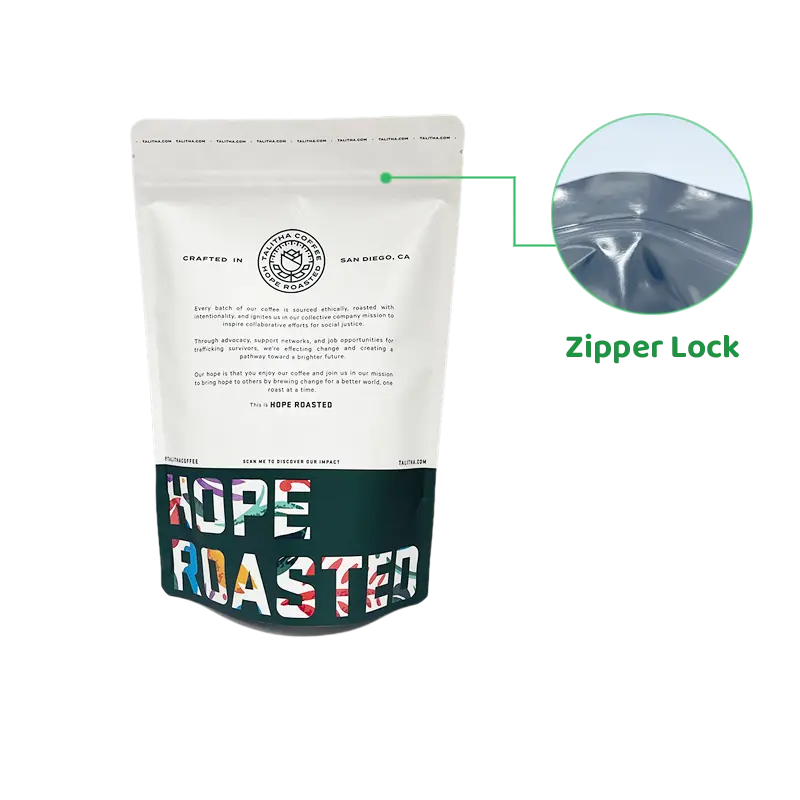
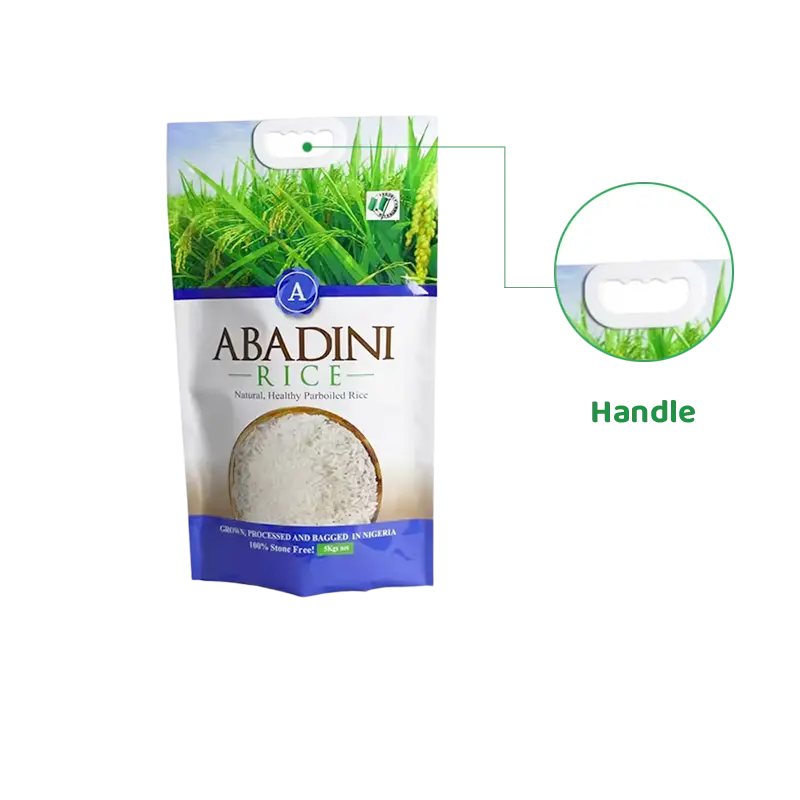
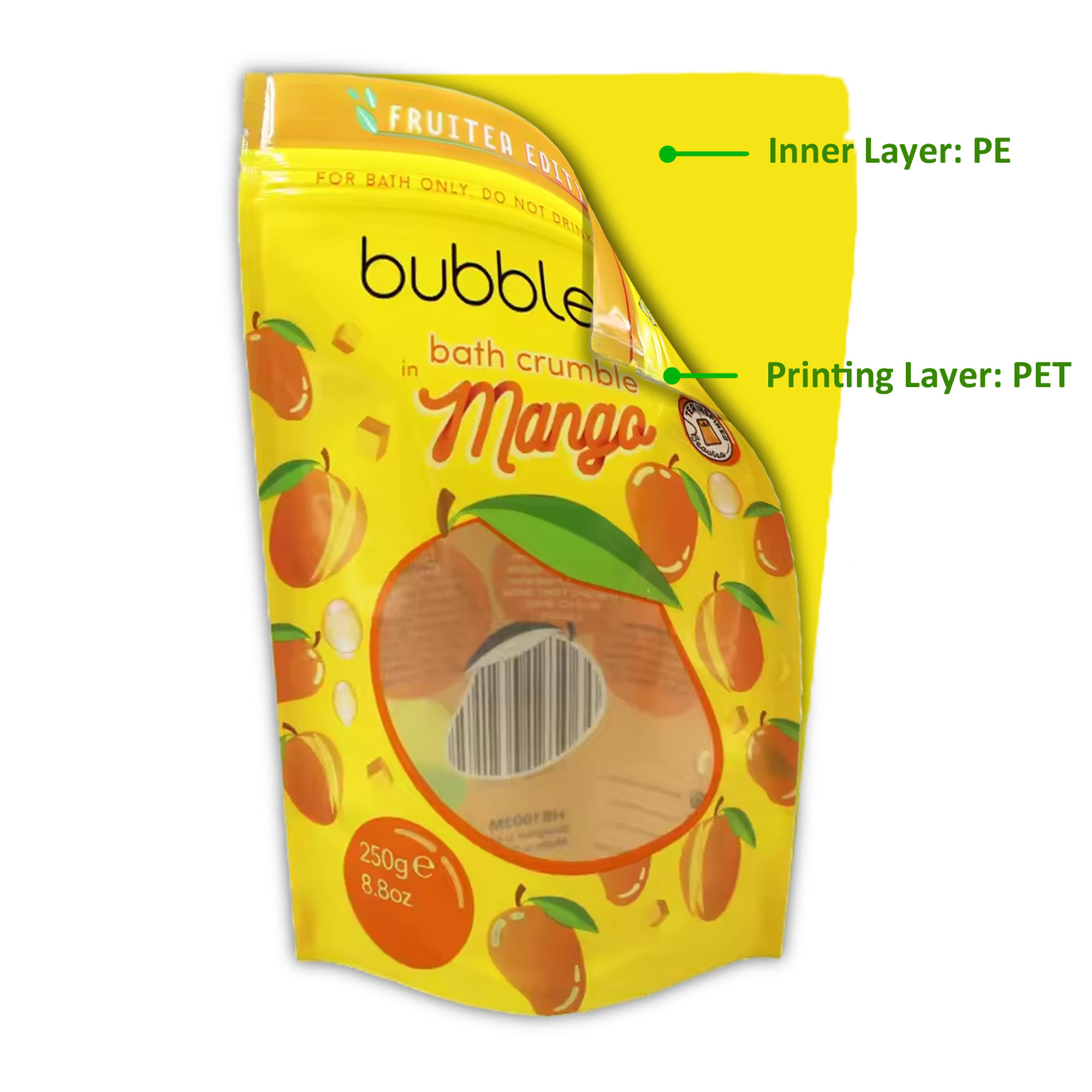
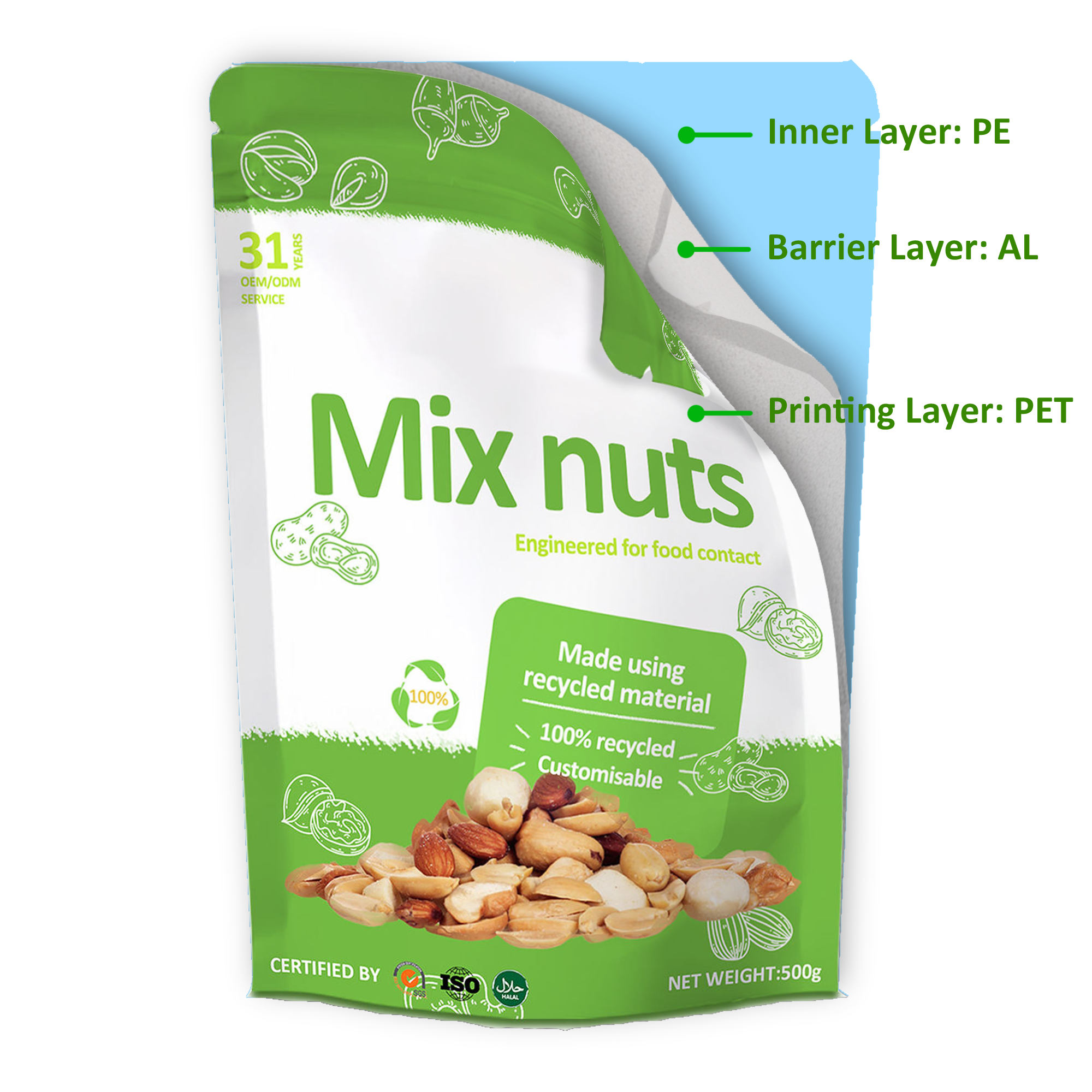
Laminated plastic polythene bags are inherently more durable than many other packaging materials, which means they have the potential to be reused multiple times. The multi-layered construction of these bags makes them strong and resistant to tearing or puncturing. This resilience enables consumers and businesses to reuse these bags for a variety of purposes beyond their original intent. The longer lifespan of laminated bags reduces the need for replacements, helping to lower the overall consumption of raw materials. As a result, laminated plastic polythene bags offer a more sustainable choice compared to weaker, single-use alternatives that quickly degrade after use. By opting for these bags, businesses can not only benefit from the superior strength of laminated bags but also promote a more sustainable consumption pattern.
Environmental Benefits of Laminated Plastic Polythene Bags
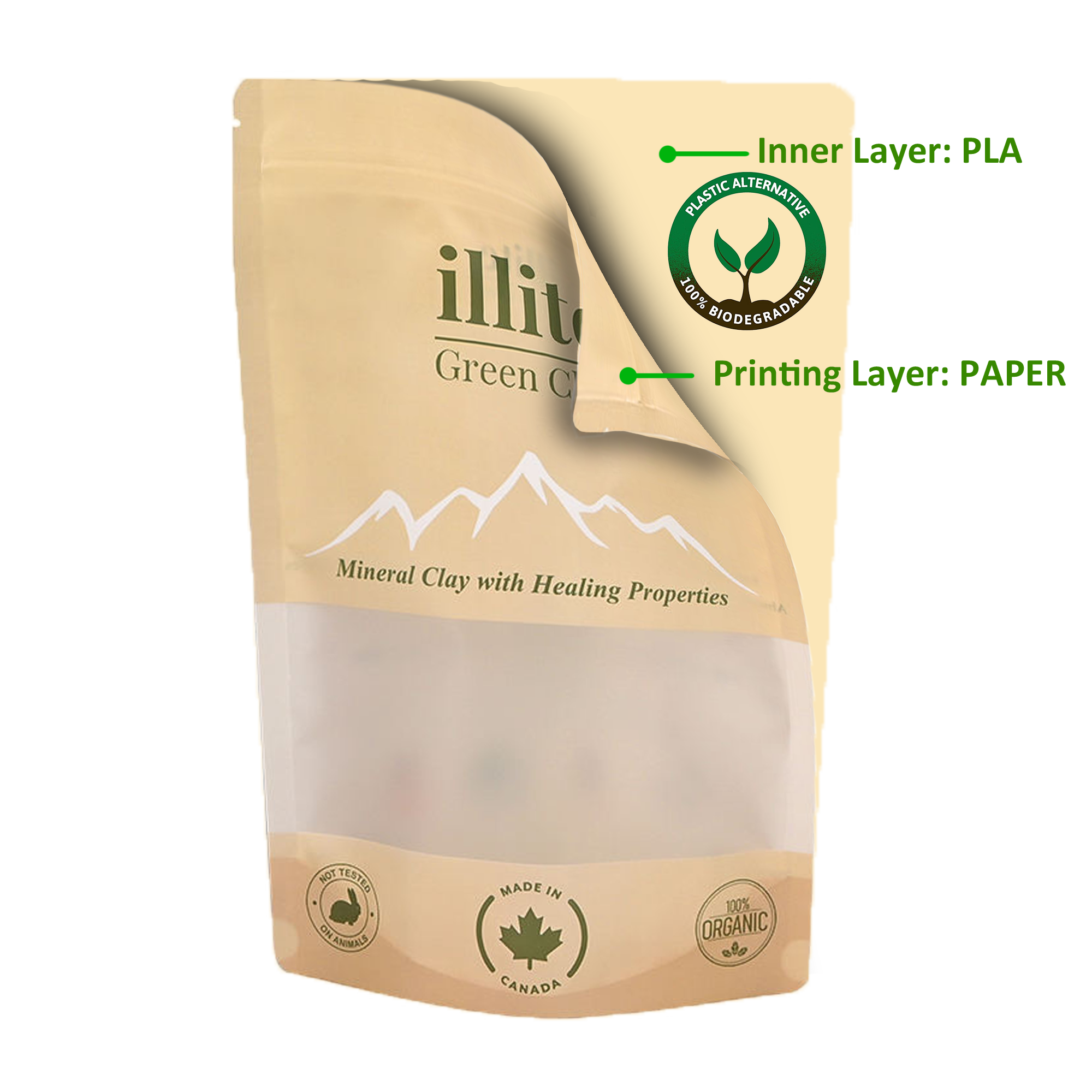
Sustainability is at the heart of the growing demand for laminated plastic polythene bags. These bags are made with advanced technology that allows manufacturers to use fewer resources, reducing the overall environmental footprint of production. Many laminated plastic polythene bags are made from recyclable materials like polyethylene, making them easier to process in recycling systems. Some manufacturers even offer biodegradable versions, ensuring that these bags can decompose safely when disposed of, further reducing their environmental impact. In comparison to conventional plastic packaging, laminated plastic polythene bags help reduce environmental pollution while still offering all the necessary protective qualities that businesses and consumers require.
Customization and Branding with Laminated Plastic Polythene Bags
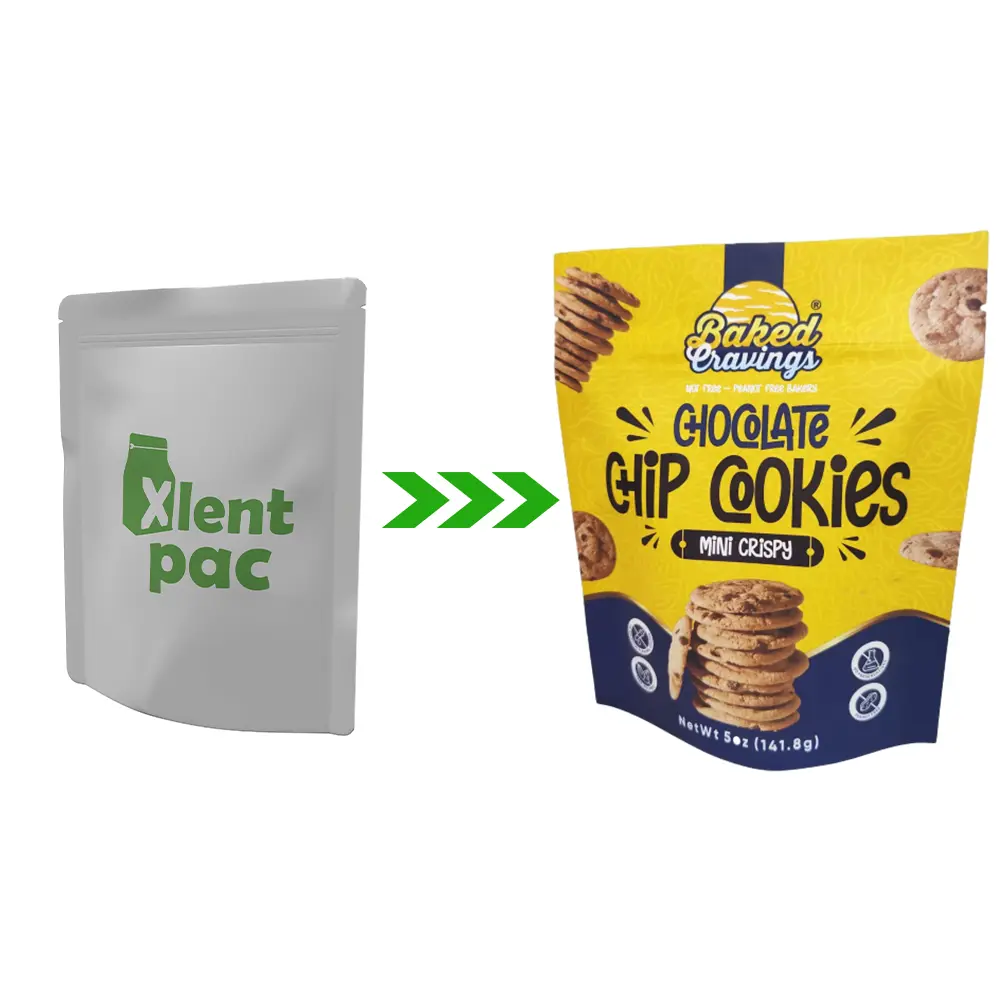
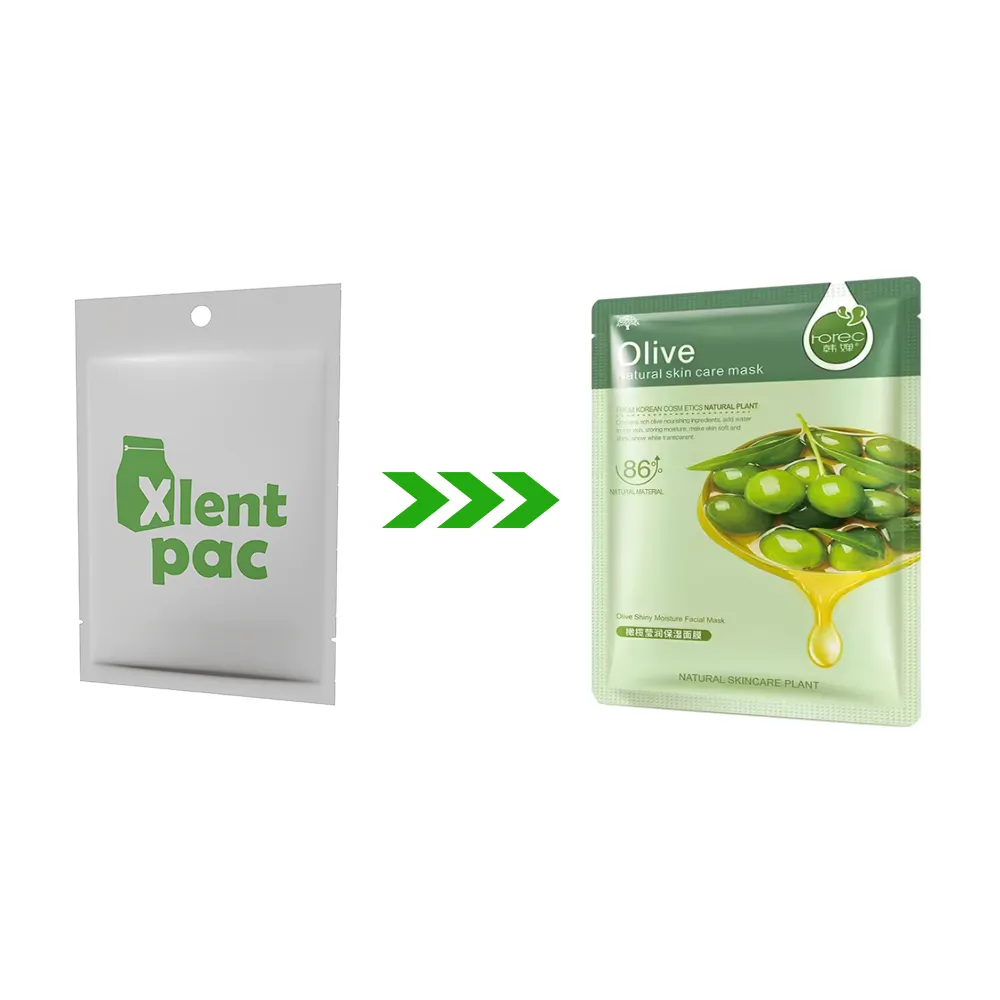
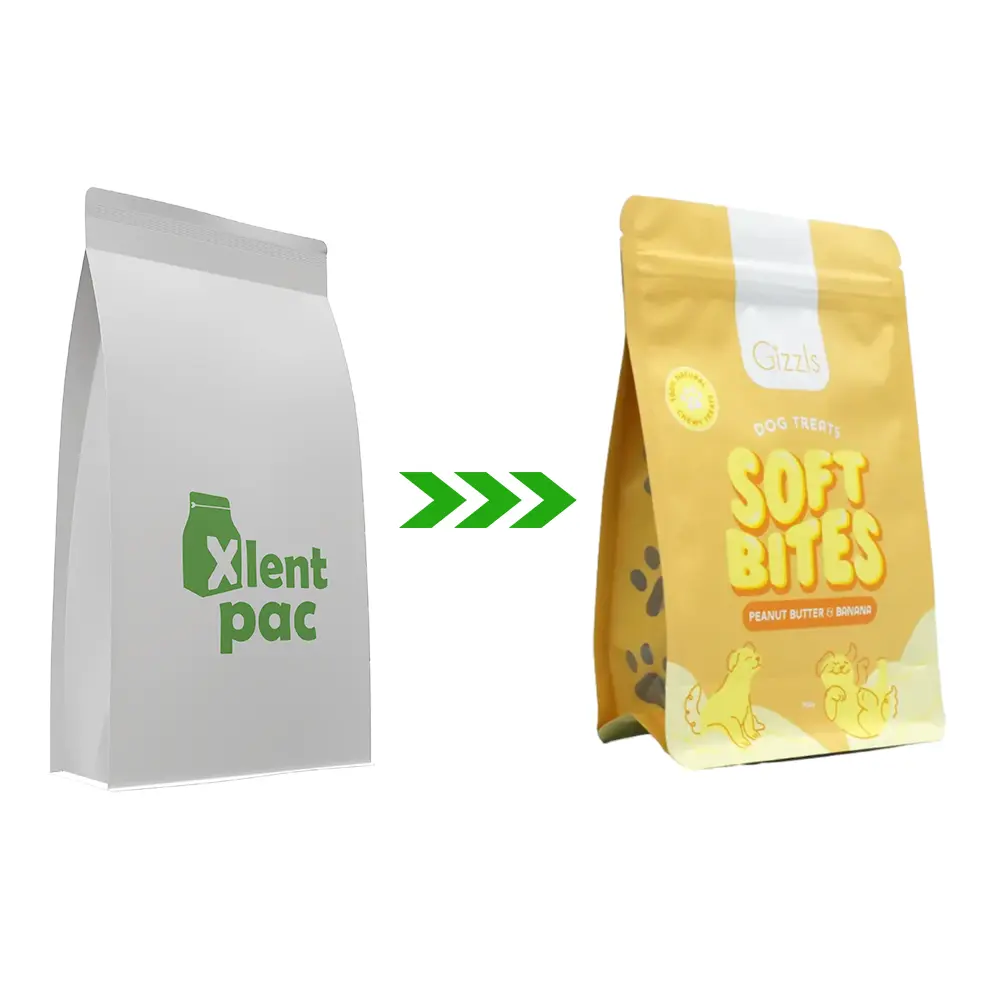
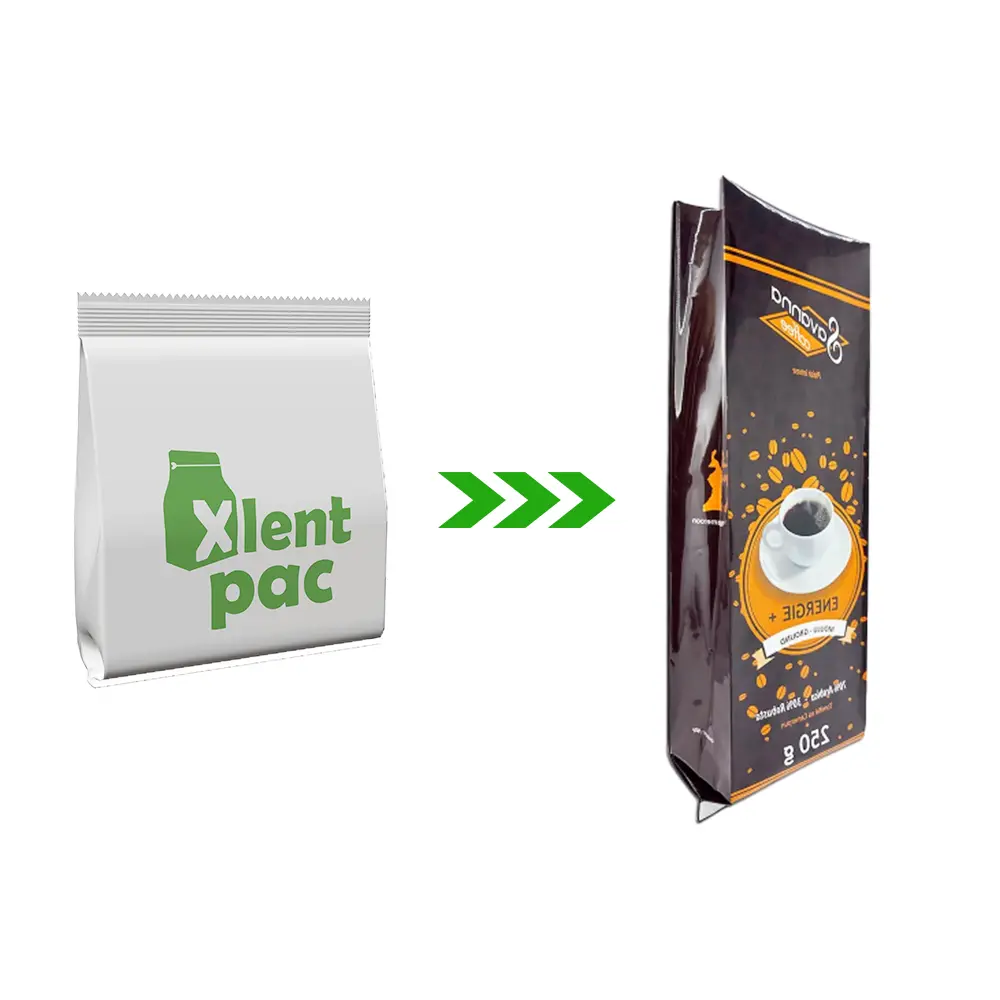
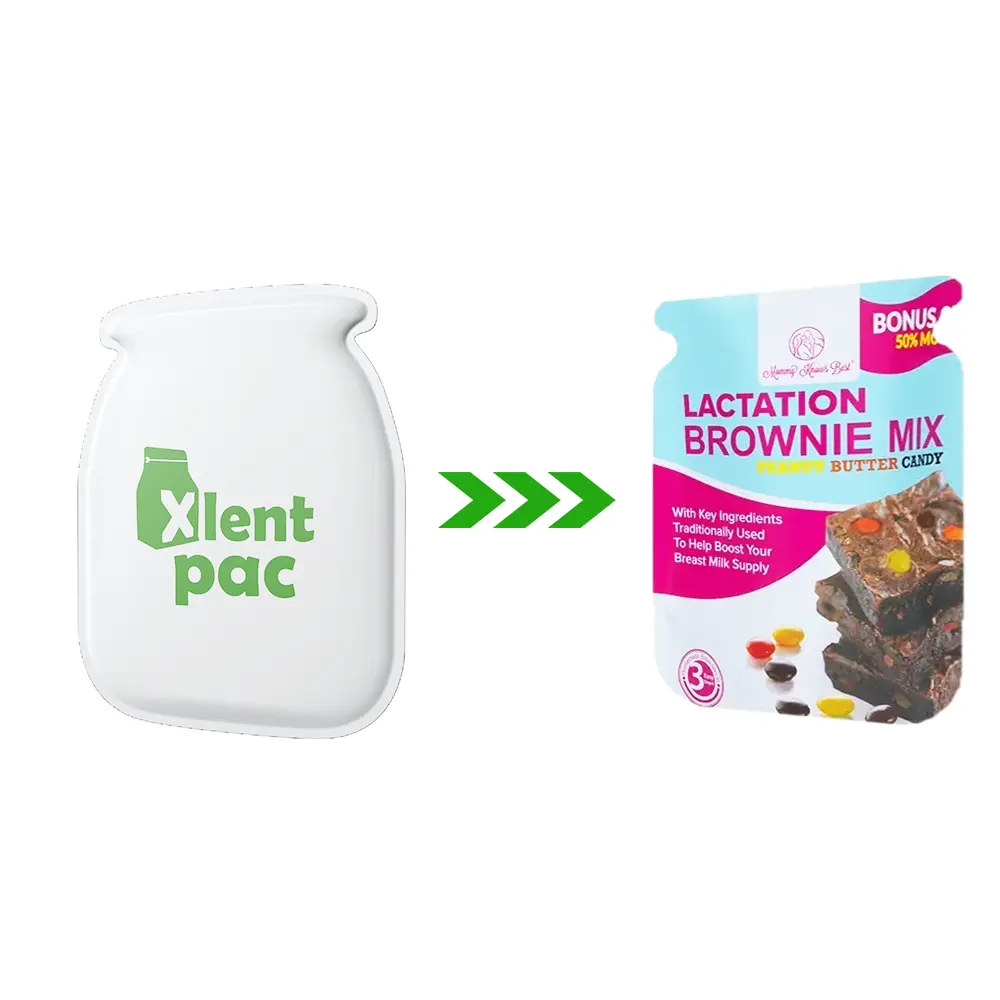
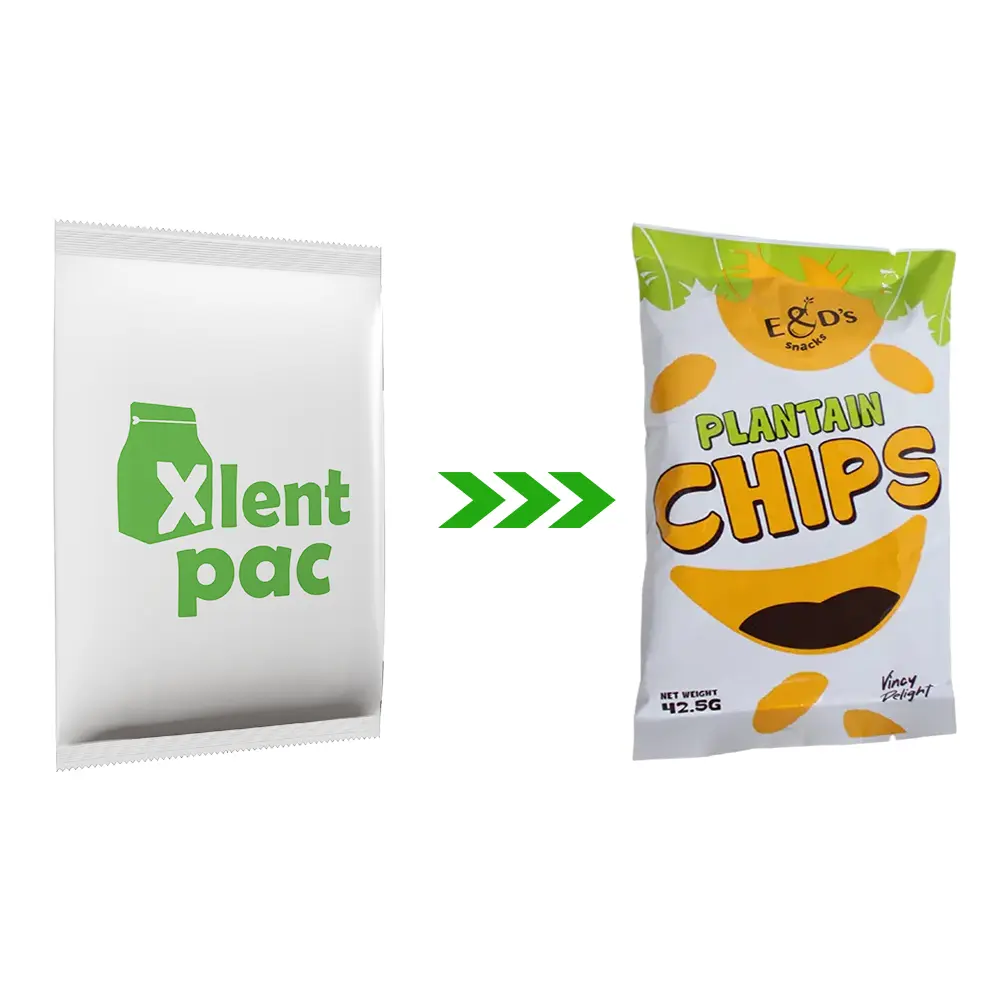
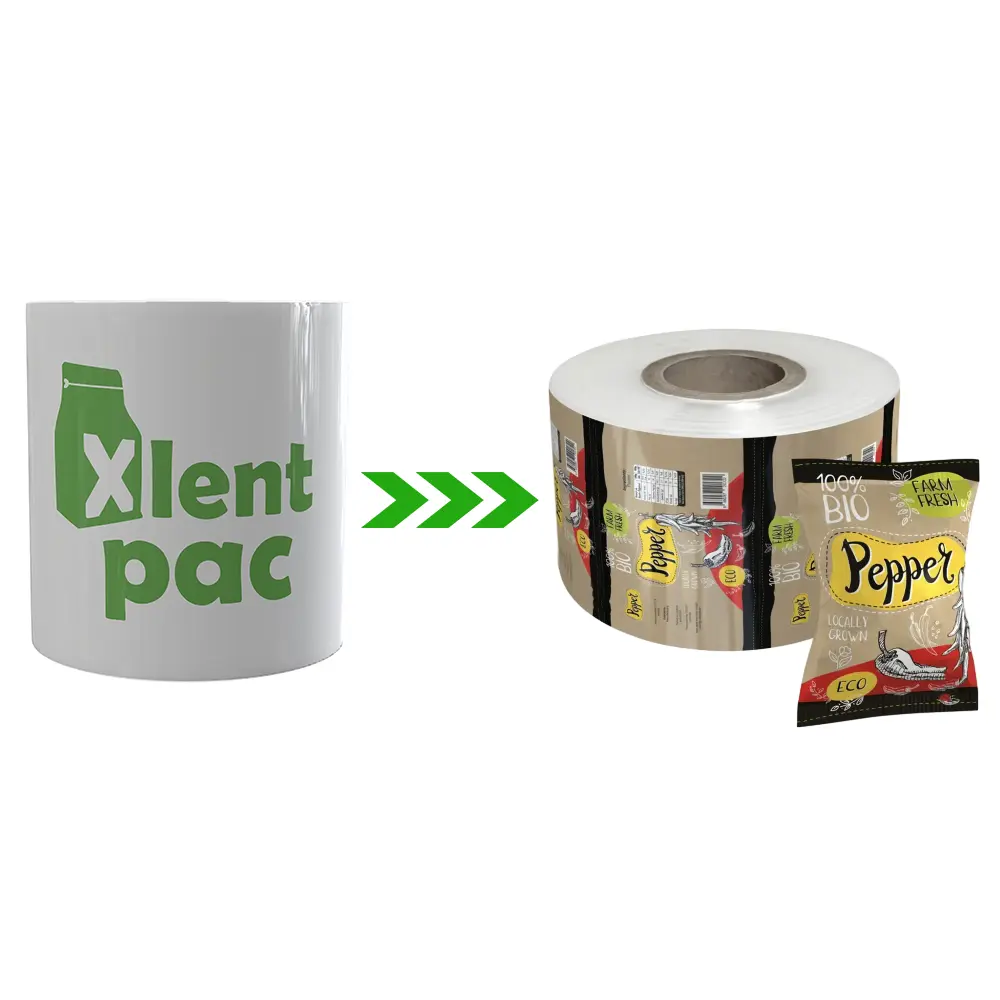
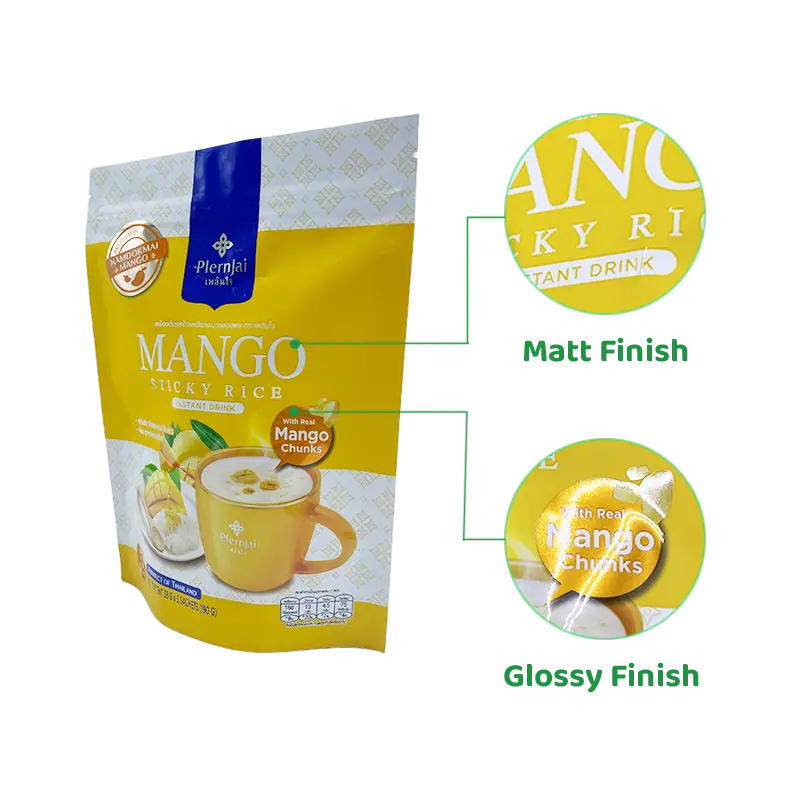
Beyond their functional benefits, laminated plastic polythene bags also offer considerable customization options that support sustainable branding. Businesses can incorporate eco-friendly messages or symbols on the packaging, highlighting their commitment to sustainability and encouraging consumers to make more environmentally responsible purchasing choices. With options for custom printing, businesses can also create attractive, eye-catching designs that improve brand visibility while promoting eco-conscious values. As consumers become increasingly aware of environmental issues, the demand for sustainable packaging that aligns with brand ethics is growing. By using laminated plastic polythene bags that can be customized and made with eco-friendly materials, businesses can enhance their corporate social responsibility efforts and appeal to a more environmentally aware market.
Comparing Laminated Plastic Polythene Bags to Other Packaging Materials
When comparing laminated plastic polythene bags to other packaging materials like traditional plastic, paper, or glass, the sustainable advantages become evident. While paper bags are often touted as eco-friendly, they require significant natural resources, such as trees and water, for production. Additionally, paper bags are not as durable and are more likely to tear and be discarded quickly. Glass containers, although recyclable, are heavier and more prone to breakage, increasing transportation costs and environmental impact. In contrast, laminated plastic polythene bags offer superior protection while maintaining a lightweight design. Their durability ensures less waste and longer product lifespan, while their recyclability or biodegradability makes them a more environmentally conscious option.
Feature | Laminated Plastic Polythene Bags | Paper Bags | Glass Containers |
Durability | Highly durable, resistant to tearing and puncturing | Moderate durability, tears more easily | Fragile, prone to breakage |
Reusability | Can be reused multiple times | Single-use, difficult to reuse | Single-use, not reusable |
Environmental Impact | Recyclable or biodegradable | Requires natural resources (trees) | Energy-intensive to produce, recyclable |
Weight | Lightweight | Lightweight | Heavy |
Protection from Contamination | Strong barrier against moisture and contaminants | Moderate protection | Provides excellent protection |
Laminated plastic polythene bags excel in terms of durability, reusability, and protection, offering a clear environmental advantage over many traditional packaging options. Their ability to be recycled or made from biodegradable materials, combined with their versatility in packaging applications, makes them an ideal sustainable solution for a variety of industries.

Laminated Plastic Polythene Bags as a Sustainable Packaging Solution
Laminated plastic polythene bags provide significant environmental benefits, including durability, reusability, and a reduced environmental footprint compared to traditional packaging materials. Their superior protection capabilities ensure that products are kept safe from contamination, moisture, and physical damage, which reduces waste and promotes more sustainable consumption patterns. By opting for laminated plastic polythene bags, businesses can contribute to reducing packaging waste while aligning with growing consumer demand for sustainable, eco-friendly solutions. Whether used for food, retail products, or industrial items, these bags offer a smart, environmentally-conscious choice that benefits both businesses and the planet.